
How to Identify the New Brunswick One Cent
A collector's checklist for the 1860 locomotive one-cent piece — reading its train design, NB legend, bronze surface, and telling it from the official cent.
Read the full New Brunswick One Cent encyclopedia entry →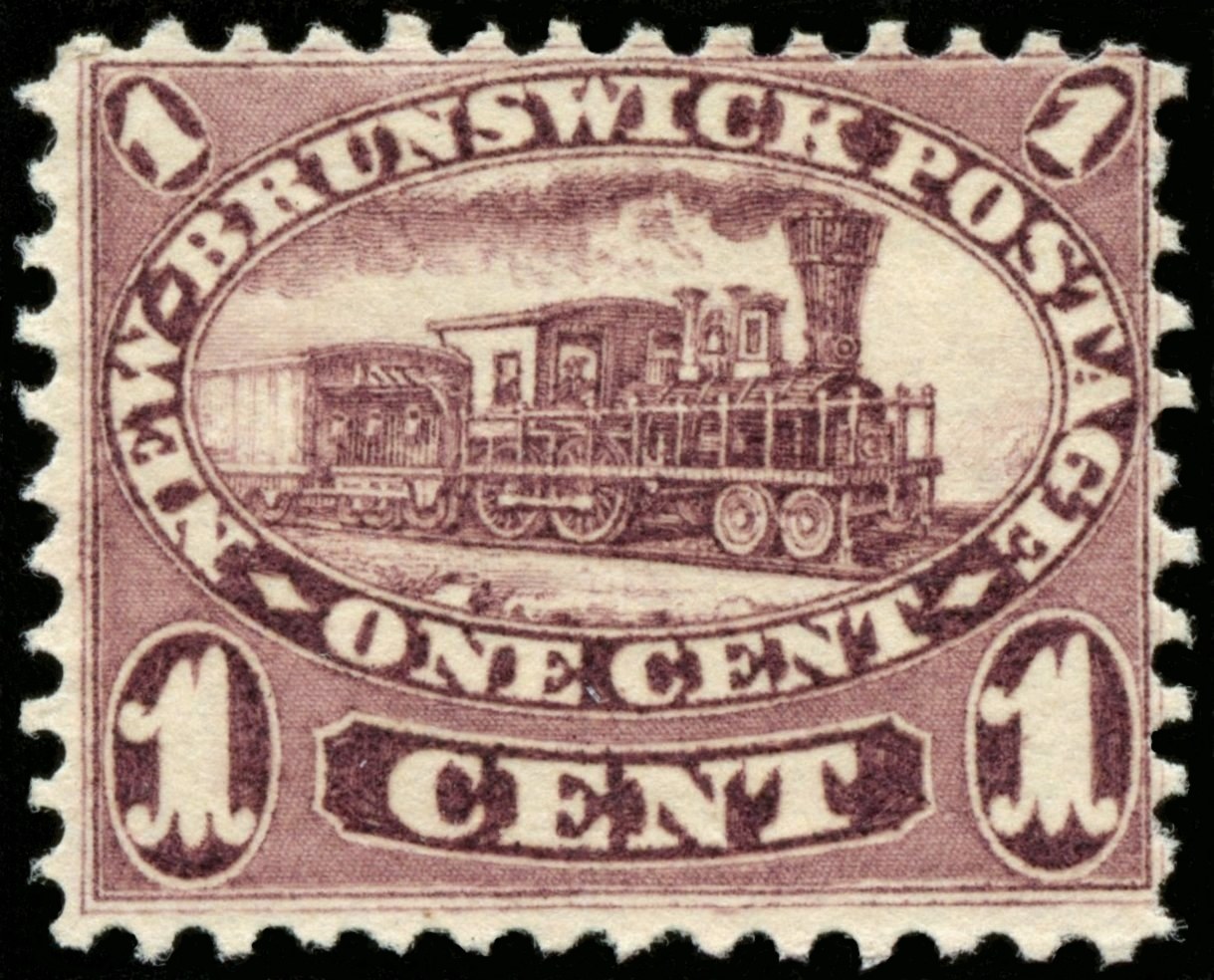
Begin with the central design, because it does most of the identification work. This type shows a steam locomotive rather than a monarch's portrait. If your piece has a train engine as its main device, a 1860 date, and lettering naming New Brunswick, you are looking at the locomotive one-cent type. The other face carries the initials NB and the value ONE CENT inside an ornamental frame.
Confirm the material and size. The coin is bronze, so expect a warm brown to reddish-brown surface; a heavily handled example turns chocolate brown, while an original can keep traces of red. Measure the diameter and weigh the piece, and write down the exact spelling and arrangement of every legend. These physical numbers are what you will compare against reference examples, and they are far more reliable than a quick visual impression.
The single most important test is to rule out the official coin. The genuine Province of New Brunswick cent is dated 1861 or 1864 and shows Queen Victoria's bust with ONE CENT and NEW BRUNSWICK on the reverse — never a locomotive, and never 1860. If you see Victoria's portrait and those dates, you have the government cent, not this piece. A train engine plus the 1860 date plus the NB / ONE CENT layout confirms the locomotive token type instead.
Be alert to look-alikes and reproductions. Locomotive 'one cent' pieces of this general style have been struck and re-struck over a long period, so a sharp, suspiciously fresh-looking example may be a modern novelty or replica rather than a period token. Cast surfaces, mushy or doubled lettering, seams on the edge, and off weights are warning signs. Compare the font, the spacing of the legends, and the fineness of the locomotive detail against a known example before drawing conclusions.
When it matters, get an expert opinion. Because attribution drives value for pieces like this, a specialist in Canadian colonial tokens can weigh, measure, and compare the piece directly, separating a genuine period issue from a later souvenir strike. Treat any online 'match' as a starting point rather than a final answer until the physical piece has been checked.
Frequently asked questions
How do I tell this from the real New Brunswick cent?
Check the design and date. The official cent shows Queen Victoria and is dated 1861 or 1864. This locomotive type shows a train engine, is dated 1860, and carries NB with ONE CENT — a clearly different piece.
What surface should a genuine bronze example have?
Bronze ranges from a warm reddish-brown when original to chocolate brown when worn. Watch for cast-looking, grainy, or seamed surfaces, which can indicate a modern reproduction rather than a struck period piece.
What quick checks help spot a replica?
Weigh and measure the piece, inspect the edge for casting seams, and study the lettering for mushiness or doubling. Soft detail, wrong weight, or overly fresh surfaces on an 1860-dated piece all suggest a later novelty strike.