
How to Identify the Netherlands Rijksdaalder
A historic Dutch silver coin denomination, later used for the Netherlands' 2.5 guilder coin, typically showing the reigning monarch's portrait and the national coat of arms.
Read the full Netherlands Rijksdaalder encyclopedia entry →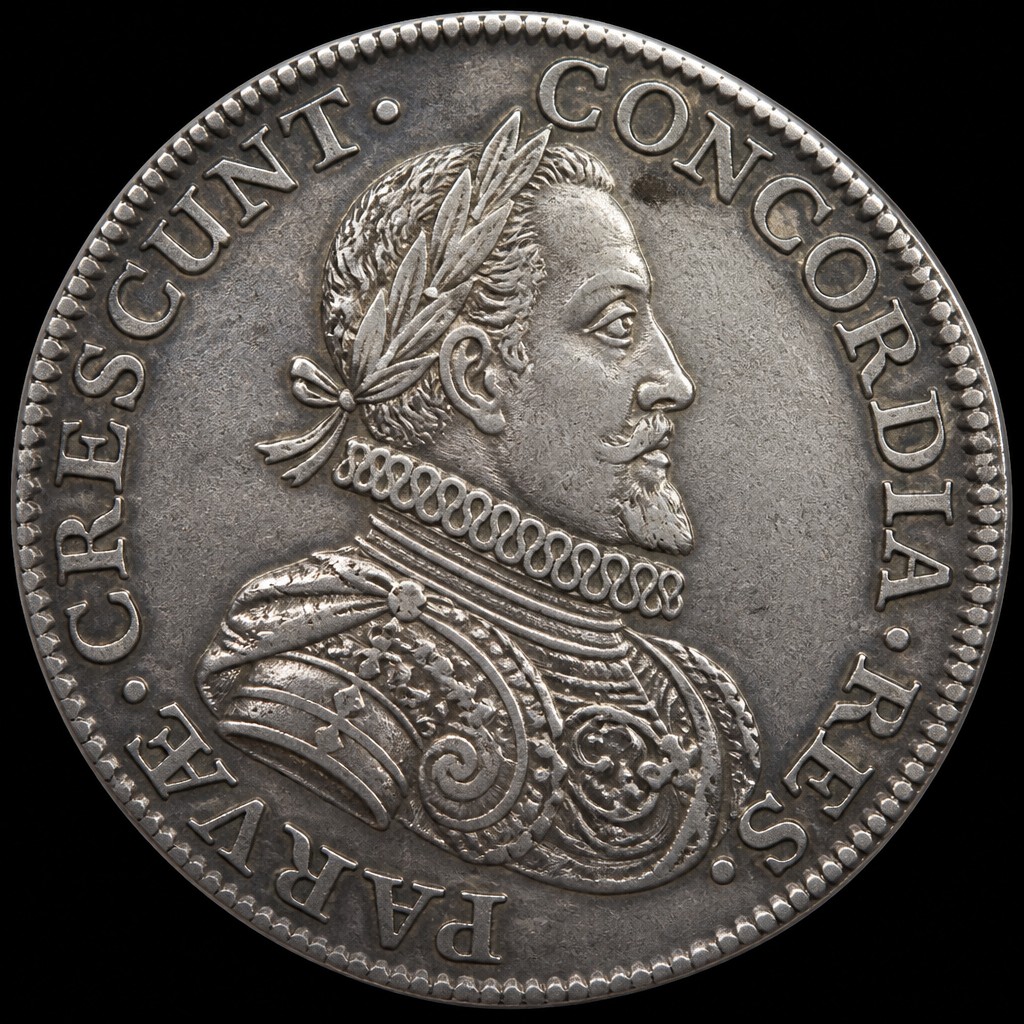
What the Coin Is
The rijksdaalder name has been used in the Netherlands for centuries, originally referring to a large silver trade coin of the Dutch Republic circulated widely across Europe, and later applied to the 2.5 guilder coin of the Kingdom of the Netherlands, minted until decimal currency reforms and, eventually, the transition to the Euro.
Obverse Design & Inscriptions
Modern Kingdom-era rijksdaalders show a portrait of the reigning monarch, such as Wilhelmina, Juliana, or Beatrix, facing left or right depending on the era, with the monarch's name and title in the surrounding legend. Older historical rijksdaalders instead often show a mounted figure, shield, or provincial arms depending on the issuing province.
Reverse Design & Inscriptions
The reverse of the modern coin typically features the crowned Dutch coat of arms, a lion rampant holding a sword and a bundle of arrows, along with the denomination and date. Historical rijksdaalders often show a larger crowned shield design with a Latin legend around the border.
Size, Weight, Metal & Edge
Sizes and compositions vary considerably by era. Seventeenth and eighteenth century silver rijksdaalders were substantial coins, often over 30 grams of silver, while 20th century 2.5 guilder rijksdaalders were smaller, around 15 grams, first in silver and later in a nickel alloy after silver was phased out of circulating coinage.
Mint Marks & Where to Find Them
Historical Dutch coinage often carries small privy marks or mint symbols near the date or along the edge, identifying the specific provincial mint (such as Holland, Utrecht, or Gelderland) that struck the piece. Modern issues typically identify only the country and monarch rather than a distinct mint mark.
Telling It Apart From Similar Coins
Distinguish a rijksdaalder from smaller Dutch guilder coins by its larger size and higher stated value, and from foreign talers or crowns of similar size by the specifically Dutch royal portrait or provincial arms and Dutch-language or Latin legends referencing the Netherlands.
Judging Condition at a Glance
On portrait issues, check the monarch's cheek, hair, and crown details for wear, and examine the lion's mane and the fine lines of the shield on the reverse. Well-preserved examples show crisp lettering and a clear separation between the design elements and the coin's field.
Authenticity Red Flags
Older silver rijksdaalders, especially provincial issues, have historically been targeted by counterfeiters and modern reproductions sold as souvenirs. Check that the weight, diameter, and silver content are consistent with the specific era and issuing authority, and be cautious of coins with blurred lettering, incorrect portrait styles for the stated monarch, or a suspiciously light weight for their apparent size.
Frequently asked questions
Is the rijksdaalder still in circulation today?
No, it was phased out along with the Dutch guilder when the Netherlands adopted the Euro in 2002, though the name is still used informally and for some commemorative pieces.
How can I tell which monarch is shown on the coin?
The obverse legend spells out the monarch's name and title in Latin or Dutch, alongside a portrait whose hairstyle and features can help narrow down the era.
Were all rijksdaalders made of silver?
No, while historical and early 20th century issues were silver, later 2.5 guilder coins were struck in a nickel alloy once silver was removed from circulating coinage.
What does the reverse typically show?
The crowned Dutch coat of arms, featuring a lion rampant holding a sword and arrows, along with the coin's denomination and date.