
How to Identify the Netherlands Rijksdaalder Gulden
A royal-era Dutch silver coin valued at 2.5 gulden, informally called the rijksdaalder, featuring the reigning Dutch monarch's portrait and the national coat of arms.
Read the full Netherlands Rijksdaalder Gulden encyclopedia entry →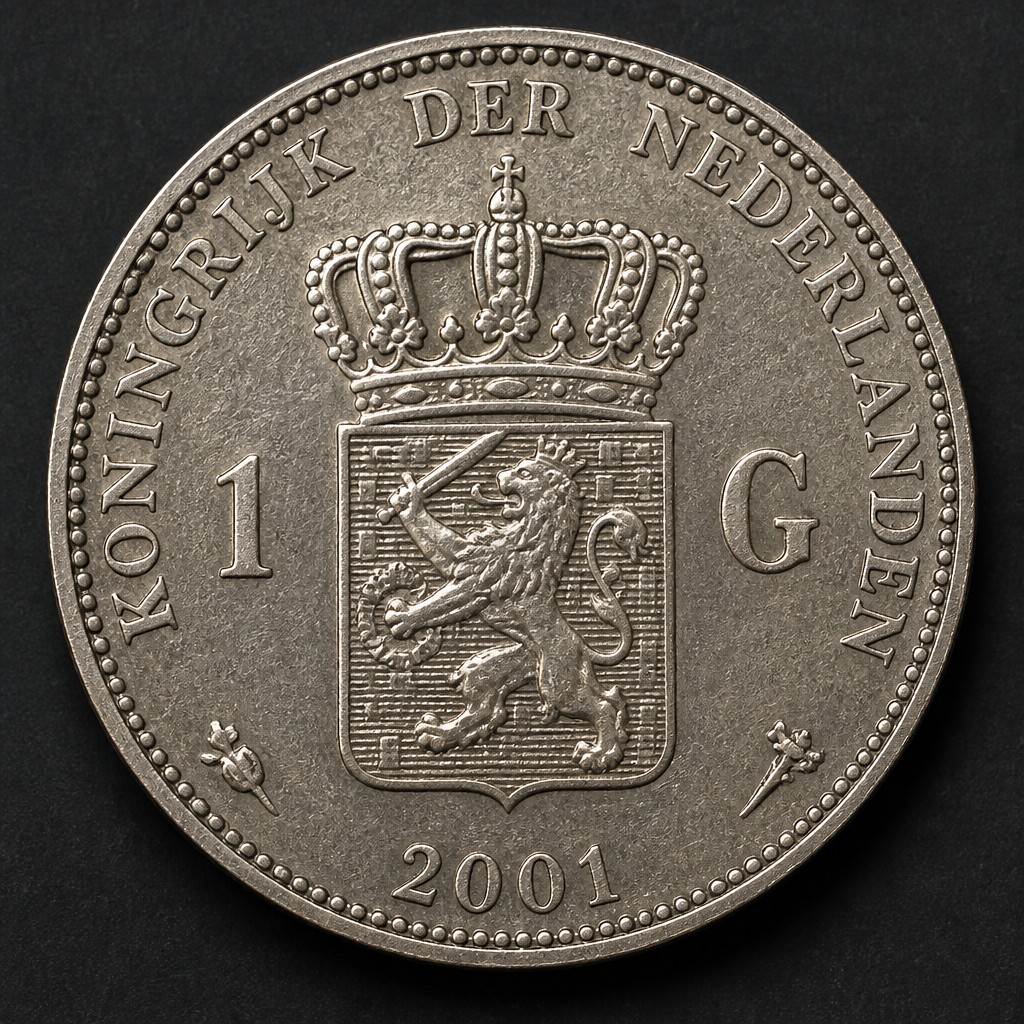
What It Is
The 2.5 gulden coin, informally nicknamed the "rijksdaalder" in everyday Dutch usage, was a substantial silver denomination issued by the Kingdom of the Netherlands from the 19th century through much of the 20th century, before the country moved toward smaller coinage and eventually the euro.
Obverse Design
The obverse shows a profile or facing portrait of the reigning Dutch monarch, such as William III, Wilhelmina, Juliana, or Beatrix, along with their name and royal title, for example "WILHELMINA KONINGIN DER NEDERLANDEN" (Wilhelmina, Queen of the Netherlands).
Reverse Design
The reverse displays the crowned coat of arms of the Netherlands, showing a lion rampant holding a sword and a bundle of arrows, with the national motto "JE MAINTIENDRAI" (I will maintain) often included, along with the denomination "2 1/2 GULDEN" and date.
Size, Weight, and Metal
The coin is a large silver piece, roughly 38 mm in diameter and weighing about 25 grams, struck in .720 fine silver during much of its circulating history, giving it a distinctly large presence compared to smaller Dutch denominations like the single gulden.
Mint Marks and Where to Find Them
Look near the rim of the reverse for a small mint mark, commonly a caduceus symbol representing the Utrecht mint, which has struck the great majority of Dutch coinage, sometimes accompanied by a mint master's privy mark.
Telling It Apart from Similar Coins
This coin is easily confused with the standard single gulden, which shares similar portrait and arms designs but is noticeably smaller and lighter; always compare size and the printed denomination. It should also not be confused with older historical rijksdaalder types from earlier centuries, which used different designs entirely.
Judging Condition at a Glance
Examine the monarch's portrait detail, particularly hair and facial features, along with the lion's mane and sword details on the reverse arms, for wear. Sharp, well-defined details throughout indicate minimal circulation, while smoothed high points and softened lettering suggest a well-worn example.
Authenticity Red Flags
Verify weight and diameter against the known .720 fine, 25-gram standard, check for a clean strike without a cast seam or grainy texture, and confirm the portrait style matches the correct monarch for the stated date. Blurred lettering or inconsistent portrait styling for the claimed ruler and date are signs of a counterfeit or mismatched piece.
Frequently asked questions
Why is the 2.5 gulden coin called a rijksdaalder?
The nickname is an informal carryover from the historic Dutch rijksdaalder denomination, applied popularly to the 2.5 gulden coin even though its official name is different.
Which Dutch monarchs appear on this coin?
Depending on the date, you may find William III, Wilhelmina, Juliana, or Beatrix, each identified by name and title in the obverse legend.
What is the silver content of the 2.5 gulden coin?
It was struck in .720 fine silver, weighing about 25 grams, for much of its circulating history.
How do I tell it apart from a regular 1 gulden coin?
Compare size and denomination text directly, since the 2.5 gulden is notably larger and heavier and clearly states its higher value on the reverse.