
How to Identify the Netherlands East Indies Java Rupee
A rupee-denominated coin struck for Java during the early 19th-century British interregnum, when the island was administered along Indian rupee currency standards rather than the earlier Dutch system.
Read the full Netherlands East Indies Java Rupee encyclopedia entry →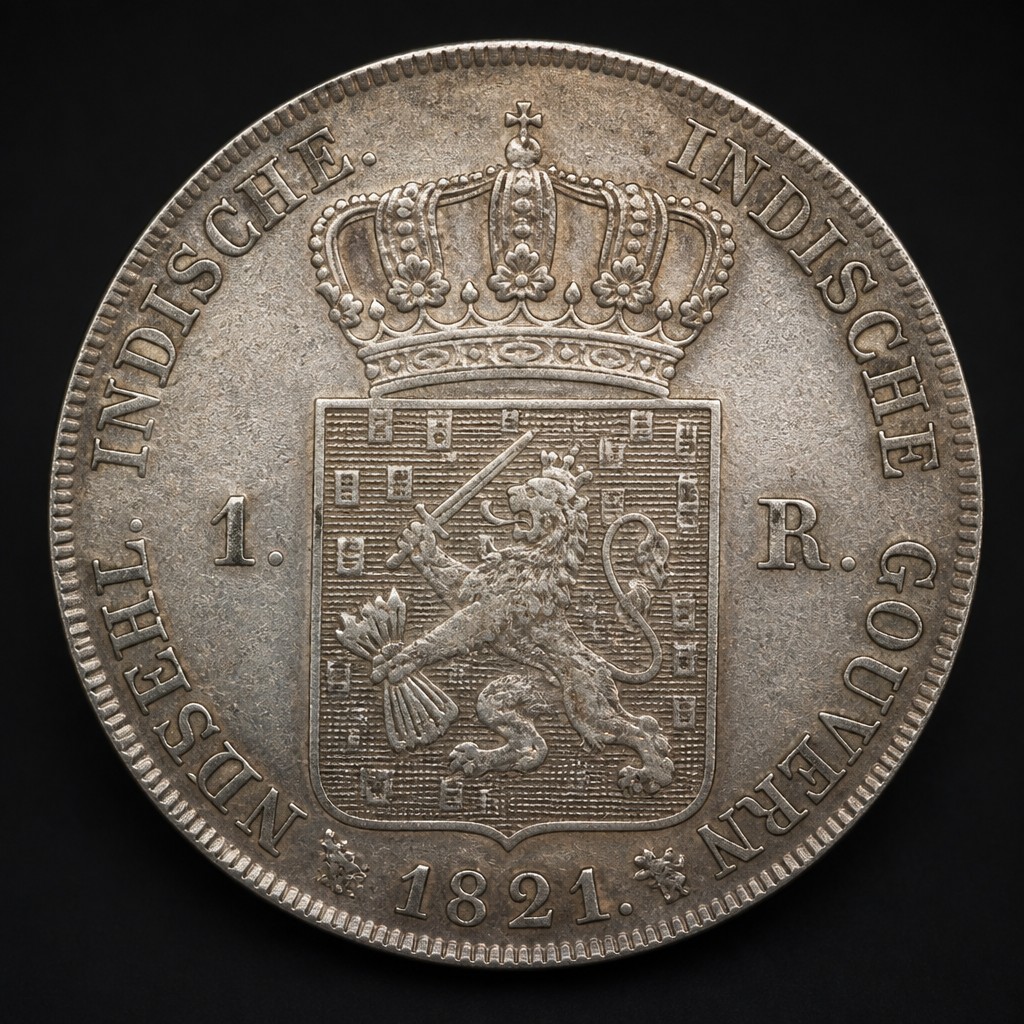
What It Is
During the early 19th century, Java came under British administration (associated with the period of Sir Thomas Stamford Raffles) after being taken from Dutch control, and the island's coinage was reorganized around the rupee standard used across British India, rather than the Dutch guilder/stuiver system that had applied under the Dutch East India Company. Coins from this period reflect that transitional colonial monetary system before Dutch authority and Dutch-style coinage returned.
Obverse Design & Inscriptions
Obverse designs from this period typically carry a denomination or value numeral along with a date, often accompanied by simple lettering identifying the issuing authority; some pieces show plain, function-first designs rather than elaborate portraiture, consistent with a transitional colonial coinage meant primarily for practical circulation.
Reverse Design & Inscriptions
Reverse designs generally repeat or complement the value information, sometimes with additional script elements reflecting the local Javanese or Malay context of circulation, alongside the numeral value in the rupee/fractional-rupee denomination system.
Size, Weight & Metal
Java rupee-system coins from this period were issued in a range of denominations and metals, including copper for smaller fractional pieces and silver for higher-value rupee coins, with sizes and weights varying by denomination in line with contemporary Indian rupee coinage standards that the system was modeled on.
Mint Marks & Where to Find Them
Because this was a transitional colonial issue tied to British administrative control, mint attribution is generally handled through cataloged die varieties and known issue dates rather than a prominent dedicated mint mark, and collectors typically rely on reference catalogs to pin down exact striking details.
Telling It Apart from Similar Coins
The clearest way to distinguish Java rupee-period coinage from the more familiar later Dutch East Indies coinage (which uses guilders and cents with Dutch royal portraits) is the currency unit itself — rupee-based denominations point to this specific transitional British-administered period rather than the long-running Dutch colonial series that followed.
Judging Condition at a Glance
As with most circulating colonial coinage of the era, well-preserved examples show clear, legible numerals and lettering with minimal wear on raised design elements, while heavily circulated pieces show smoothing, flattening, and sometimes corrosion, particularly on copper denominations that were handled extensively in daily trade.
Authenticity Red Flags
Given the relative scarcity and specialized nature of this transitional coinage, unusually crisp modern-looking lettering, incorrect weight for the stated denomination, or a surface texture inconsistent with genuine early 19th-century striking methods are all reasons for closer scrutiny. Comparing against specialist reference catalogs for this specific transitional period is the most reliable way to confirm consistency with genuine issues.
Frequently asked questions
Why does this coin use rupees instead of Dutch guilders?
During the early 19th-century British administration of Java, the island's currency was reorganized around the Indian rupee system rather than the Dutch guilder/stuiver system used before and after that period.
How long was this rupee-based system used in Java?
It applied specifically during the period of British control of Java in the early 1800s, before Dutch administration and Dutch-denominated coinage resumed.
What metals were used?
Both copper (for smaller fractional denominations) and silver (for higher rupee-value pieces) were used, following patterns similar to contemporary Indian rupee coinage.
How do I confirm a specific variety or mint detail?
Because dedicated mint marks are limited on this transitional issue, cross-checking date, denomination, and design details against specialist colonial coin reference catalogs is the most reliable approach.