
How to Identify the Nero Denarius
Learn to recognize Nero's silver denarius by his distinctive heavy-featured portrait, common reverse types, and the mid-reign weight and fineness reduction that marks a turning point in Roman coinage.
Read the full Nero Denarius encyclopedia entry →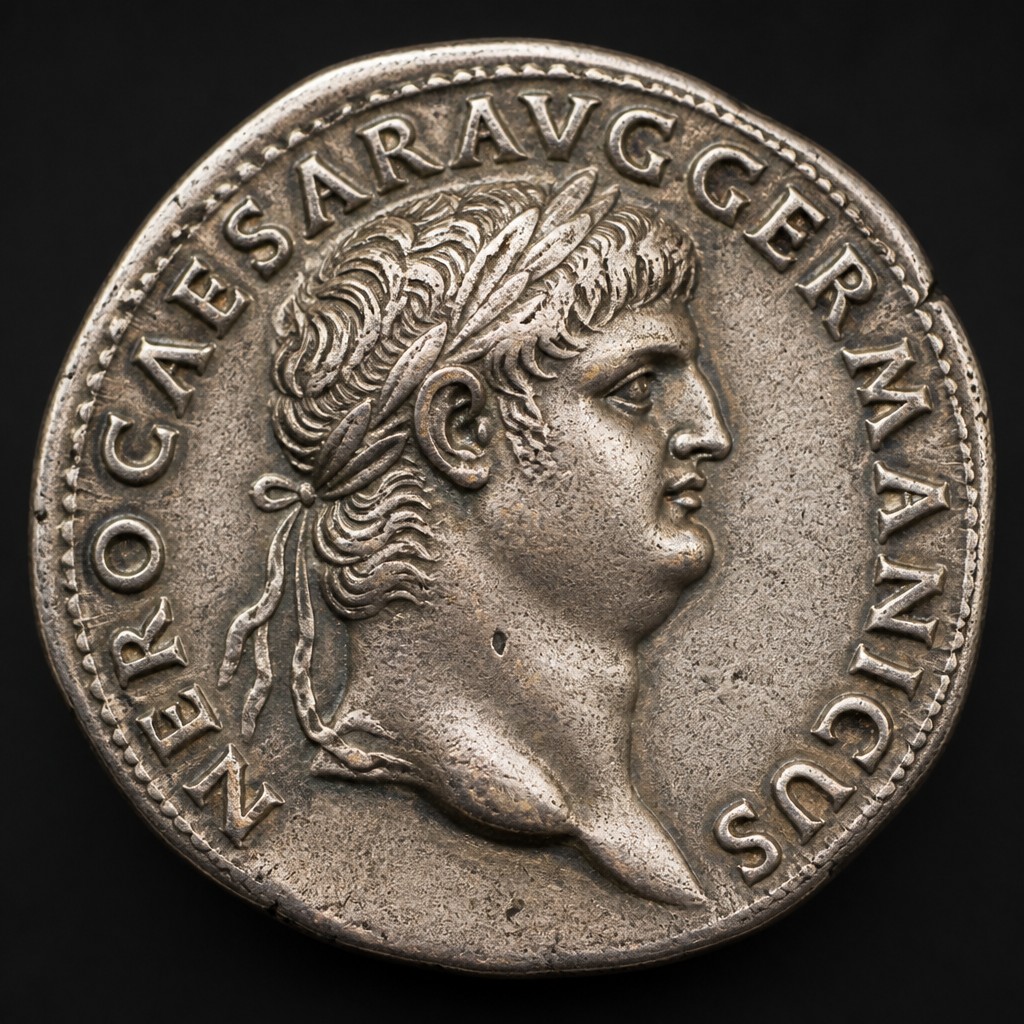
What This Coin Is
This silver denarius was struck under Emperor Nero, who reigned from AD 54 to 68. It is numismatically notable for the major currency reform of AD 64, which reduced both the coin's weight and its silver purity.
Obverse Design
The obverse shows a laureate, and on some later issues bare-headed, portrait of Nero facing right, developing a fuller, heavier facial style as his reign progressed. The legend typically reads NERO CAESAR AVGVSTVS or a close variant, with titles changing over time to reflect his accumulating honors.
Reverse Design
Common reverse types include Jupiter seated or standing, Salus seated, Roma seated on a cuirass, and a laurel wreath enclosing the letters EX SC. Some early issues pair Nero with his mother Agrippina Minor in facing portraits.
Size, Weight, and Metal
Before the AD 64 reform, denarii weighed roughly 3.8-3.9 grams; afterward, weight dropped to around 3.4 grams with somewhat lower silver fineness, a distinction collectors use to help date an unmarked example. Diameter runs around 17-18mm.
Mint Marks and Where to Look
Most denarii were struck at Rome without an explicit mint abbreviation. Dating relies on the emperor's accumulated titles in the legend, particularly tribunician power and consulship numbers, rather than any separate mint mark.
Telling It Apart From Similar Coins
Nero's fuller-necked, heavier portrait style is quite different from the leaner Julio-Claudian look of Tiberius or Claudius. Watch out for contemporary provincial issues, which tend to be cruder in style and sometimes even more debased than the official Rome mint product.
Grading at a Glance
Check strike quality on Nero's hair curls and the reverse figure's drapery. Post-reform coins can show slightly grainier surfaces due to their lower fineness, a normal period characteristic rather than a sign of damage.
Authenticity Red Flags
Because Nero's later portrait is heavy and somewhat unflattering, a fake engraver "improving" the emperor's features is a common tell. Check weight against the correct pre- or post-reform standard for the specific issue, and inspect for a plating seam that would indicate an ancient or modern silver-plated forgery.
Frequently asked questions
Why did Nero's denarius change partway through his reign?
In AD 64 Nero enacted a currency reform that lowered both the weight and silver fineness of the denarius, a change scholars link to financial pressures including the rebuilding of Rome after the Great Fire.
How can I tell if my coin is pre- or post-reform?
Careful weighing is the most reliable method; pieces near 3.8-3.9 grams reflect the earlier standard, while those closer to 3.4 grams with somewhat duller silver reflect the standard adopted after AD 64.
What does EX SC in a wreath mean?
It stands for ex senatus consulto, meaning by decree of the Senate, a phrase used on certain reverse types to show the issue was authorized by senatorial decree.
Are Nero's coins commonly faked?
Yes, his portrait coinage has long been popular with collectors, so both old-style plated forgeries and modern reproductions exist; checking weight, metal consistency, and portrait style helps screen out most fakes.