
How to Identify the Maundy Threepence
The Maundy Threepence is a small ceremonial silver coin marked with a crowned '3', distinct from the larger nickel-brass threepence once used in daily circulation.
Read the full Maundy Threepence encyclopedia entry →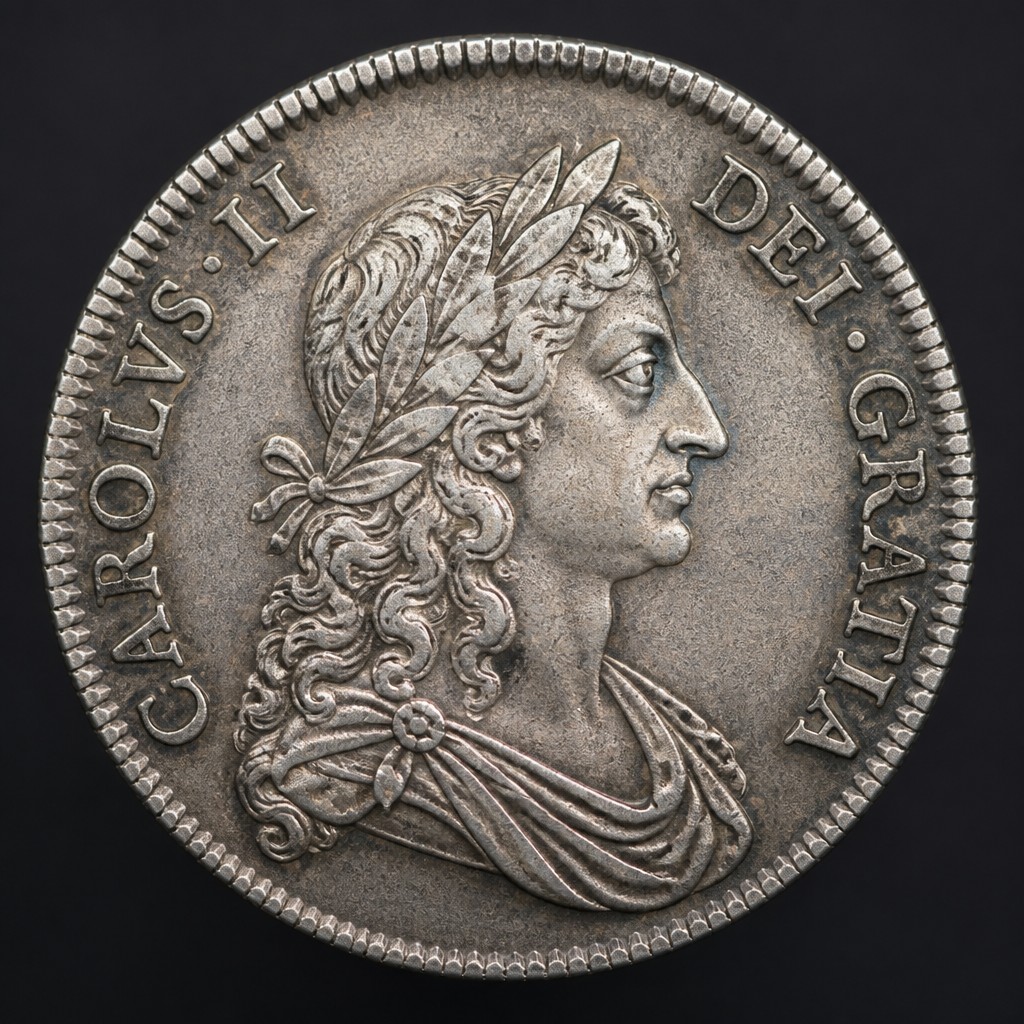
What It Is
The Maundy Threepence is part of the British Royal Maundy set, a small silver coin given out annually in the Royal Maundy ceremony. It should not be confused with the "ordinary" circulating threepence, which for much of the 20th century was a different design and, later, a twelve-sided nickel-brass coin used in daily commerce well after the silver version was withdrawn.
Obverse Design
The obverse shows the reigning monarch's standard coinage portrait of the period, identical in style to that used across the rest of the Maundy set and often matching contemporary circulating coinage struck in the same year.
Reverse Design
The reverse features a crowned numeral "3" within a wreath. This is the key visual difference from the historic circulating silver threepence, which instead typically showed three oak sprigs with acorns rather than a numeral, a design meant to visually represent the coin's threefold value. Later circulating threepences moved to entirely different metals and shapes, widening the gap even further.
Size, Weight, Metal & Edge
Made of sterling silver, the Maundy Threepence measures about 16mm in diameter and weighs roughly 1.5 grams, with a plain edge. It sits between the twopence and fourpence in size within the Maundy set, a helpful reference when sorting a full set by eye.
Mint Marks & Dating
There is no mintmark, as all Maundy coinage comes from the Royal Mint. The date appears below the obverse portrait, allowing collectors to place the coin precisely within a monarch's reign without needing any further reference material.
Telling It Apart From Similar Coins
The most common mix-up is with the older circulating silver threepence, which shares the metal and roughly similar size but shows oak sprigs, not a numeral, on the reverse. The Maundy version's crowned "3" in a wreath is the clearest tell, and its slightly smaller diameter compared to the circulating threepence is a secondary clue.
Grading at a Glance
Most Maundy Threepences survive in excellent condition since they were distributed rather than spent. Check the sharpness of the crown's arches and the wreath's leaf detail; well-preserved coins show a bright, fully struck surface with minimal handling marks or contact marks from storage.
Authenticity Red Flags
Be wary of coins where the reverse motif doesn't match expectations for the date (oak sprigs instead of a numeral would suggest a mismatched or altered coin), inconsistent silver color or weight, or a suspiciously soft, indistinct strike suggesting a cast copy rather than a genuine struck coin from Royal Mint dies. Compare any suspect example against a known-genuine set before drawing conclusions.
Frequently asked questions
How is the Maundy Threepence different from the regular circulating threepence?
The Maundy version shows a crowned numeral '3' on the reverse, while the historic circulating silver threepence showed oak sprigs and acorns instead.
What metal is the Maundy Threepence made from?
Sterling silver, the same standard used throughout the Royal Maundy set.
Does the twelve-sided brass threepence belong to the Maundy set?
No, the nickel-brass threepence was a separate circulating coin design and is unrelated to the silver Maundy set.
Where can I find the date on a Maundy Threepence?
Below the monarch's portrait on the obverse, exactly as on standard circulating coins of the period.