
How to Identify the Maundy Penny
The Maundy Penny is the smallest coin in the British Royal Maundy set, a tiny silver piece bearing a crowned numeral '1' distributed annually as ceremonial alms.
Read the full Maundy Penny encyclopedia entry →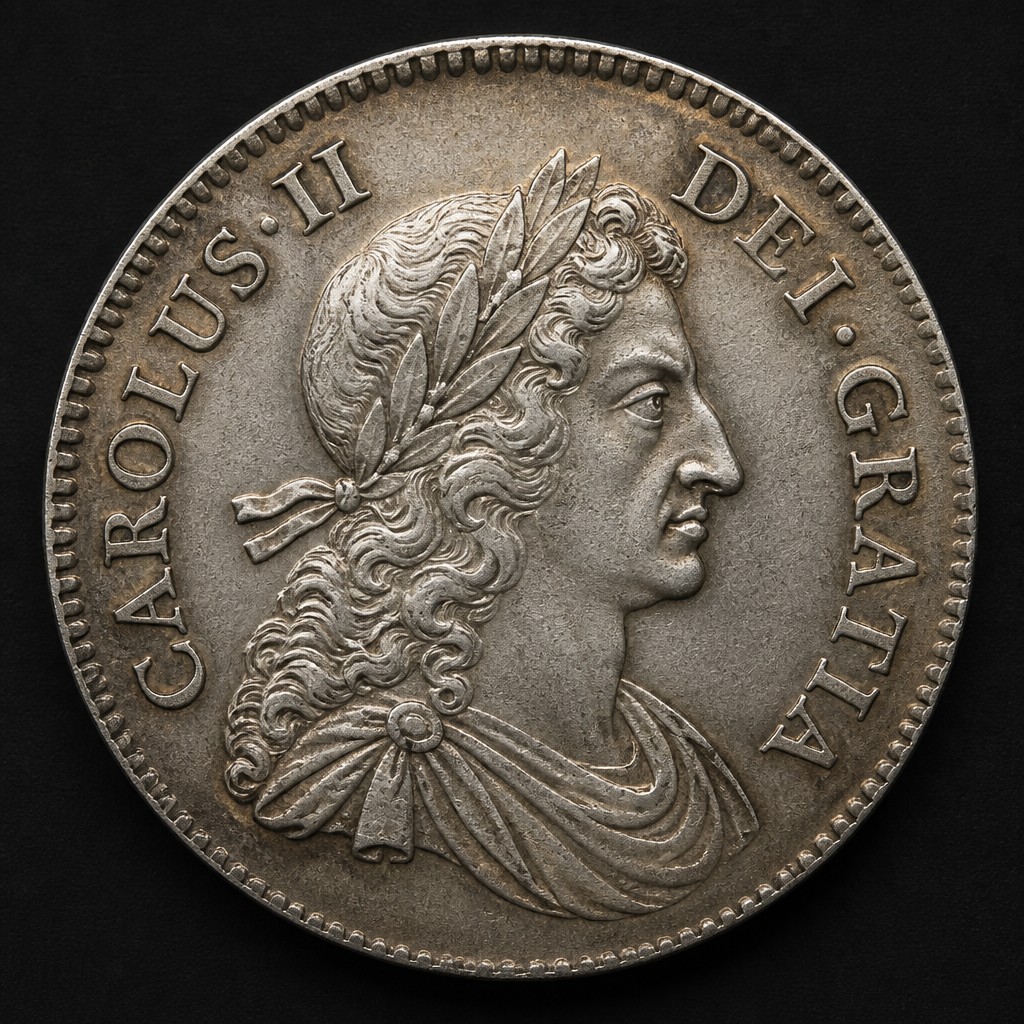
What It Is
The Maundy Penny is the smallest of the four silver coins that make up the British Royal Maundy set, given out each year on Maundy Thursday by the reigning monarch to elderly recipients. Though technically legal tender, it is essentially a ceremonial coin rarely seen in general circulation. Its face value has remained one penny for centuries even as its silver and collector value have risen far beyond that.
Obverse Design
The obverse bears the current monarch's portrait, matching the effigy used on regular circulating coinage of that reign. As monarchs change, so does this portrait, making the obverse useful for narrowing down the approximate date range of a given piece even before checking the date numeral itself.
Reverse Design
The reverse is simple and distinctive: a crowned numeral "1" set within a wreath, indicating the penny's place in the Maundy set. This numeral-in-wreath style is shared across all four Maundy denominations, only the number changes, and the wreath's leaf pattern has been refined slightly from reign to reign.
Size, Weight, Metal & Edge
The Maundy Penny is struck in sterling silver and is tiny - around 11mm in diameter and well under a gram in weight. It has a plain edge, consistent with its small, delicate size, which makes it easy to lose track of among other small silver coins or pocket change.
Mint Marks & Dating
All Maundy coins are struck at the Royal Mint with no mintmark to search for. The date appears below the portrait on the obverse, just as on regular coinage, so the year can be read directly from the coin without needing to identify any additional symbols.
Telling It Apart From Similar Coins
The Maundy Penny is often confused with worn silver threepences or old small silver coins from earlier reigns. The clearest test is the reverse: a genuine Maundy Penny always shows a crowned "1" in a wreath, never oak sprigs, a shield, or other circulating-coin motifs. Its unusually small diameter compared with a regular penny is also a quick giveaway.
Grading at a Glance
Because Maundy coins are handed out as gifts rather than used in trade, most surviving examples are in high grade with sharp lettering and a strong strike. Look for original mint luster and crisp wreath detail; genuine wear is uncommon and any heavy circulation wear is unusual for this issue and may suggest the coin spent time loose in a pocket or purse.
Authenticity Red Flags
Be cautious of pieces that are oversized, discolored, or that show a numeral style inconsistent with the coin's stated date - the wreath and numeral style changed subtly between reigns. Also check that the weight and diameter match expectations, since counterfeits of small silver coins can be made from base metal with a thin silver wash that quickly wears to reveal a different color underneath.
Frequently asked questions
How can I tell a Maundy Penny from a regular old penny?
By size and metal: a regular penny is copper or bronze and much larger, while the Maundy Penny is tiny silver with a crowned '1' on the reverse.
Is the Maundy Penny still made today?
Yes, Maundy Penny sets continue to be struck and distributed each year as part of the Royal Maundy ceremony.
What does the number on the reverse mean?
It denotes the coin's face value in pence and its place among the four Maundy denominations (1, 2, 3, and 4).
Are Maundy Pennies rare?
They are scarce relative to circulating coinage since they are struck in small numbers for ceremonial distribution, but survival rates in good condition are high.