
How to Identify the Maundy Money Set
A Maundy Money set is a group of four tiny silver coins (1, 2, 3, and 4 pence) ceremonially given by the British monarch on Maundy Thursday each year.
Read the full Maundy Money Set encyclopedia entry →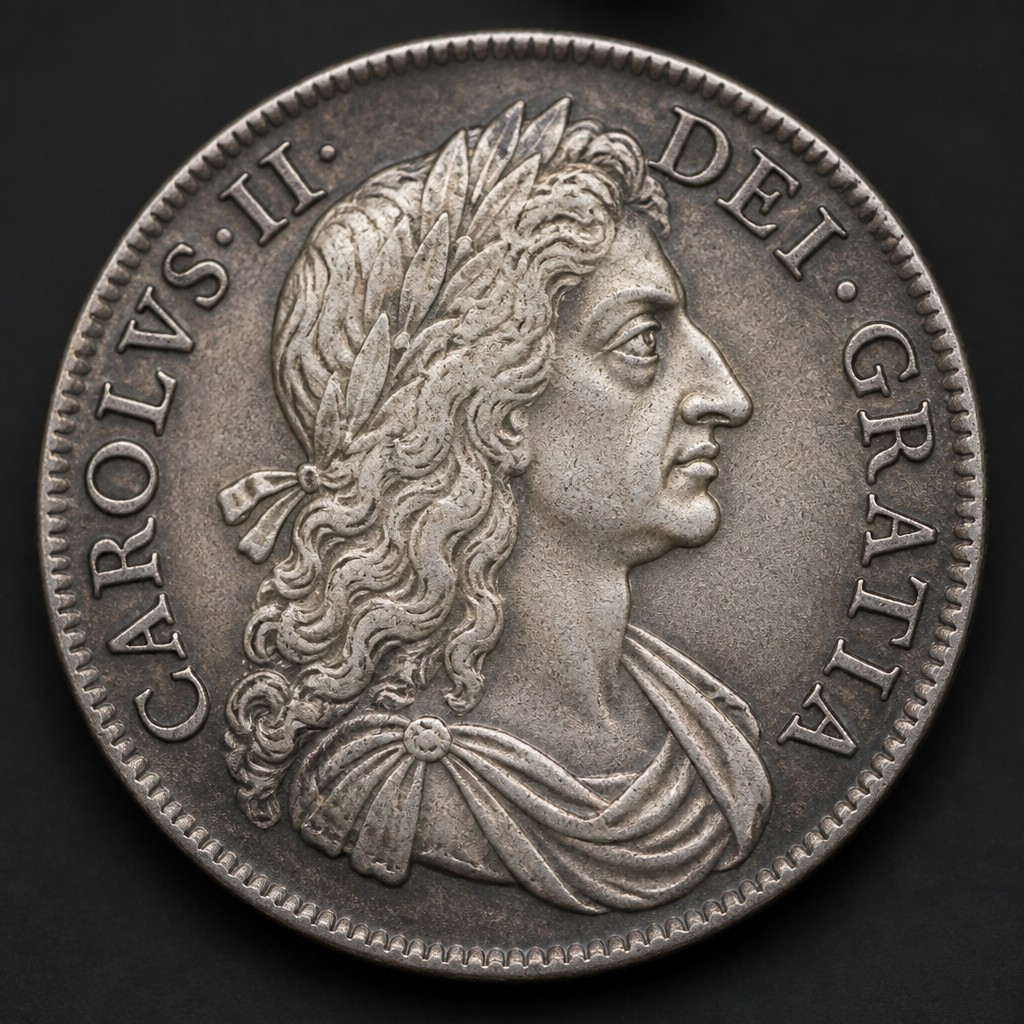
What Is It
The Maundy Money set is a group of four small silver coins - the penny, twopence, threepence, and fourpence - specially struck each year for the British monarch to distribute personally to elderly recipients during the Royal Maundy ceremony held on the Thursday before Easter. The number of recipients (and the number of sets given) traditionally matches the monarch's age. Unlike ordinary coinage, Maundy money has never been intended for general circulation.
Obverse Design
The obverse of all four denominations carries the same portrait of the reigning monarch used on Maundy coinage during that reign, which is frequently a design retained unchanged for decades even as circulating coin portraits are updated. The legend gives the monarch's name and title abbreviations, matching the wording style used on other coins of the period.
Reverse Design
Each denomination shares a simple, elegant reverse: a numeral (I, II, III, or IIII in Roman numerals) at the center, surmounted by a crown, with the date below and a wreath or simple beaded border around the edge. The numeral is the only feature that distinguishes one denomination from another on the reverse, since all four coins otherwise share a common design language.
Size, Weight, and Metal
Maundy coins are struck in sterling silver (.925 fine), a standard that was retained for Maundy issues even after 1920, when circulating silver coinage was debased to 50% silver. The four coins increase in size with denomination: the penny is smallest at roughly 11mm, followed by the twopence, threepence, and fourpence, the largest at around 18mm. All are thin, lightweight coins meant to be handled and kept rather than spent.
Mint Marks and Where to Find Them
Maundy coins are produced exclusively at the Royal Mint in Britain and do not carry branch mint marks. The date appears clearly on the reverse below the crowned numeral, which is the primary way to identify the specific year's set.
Telling It Apart from Similar Coins
Ordinary circulating threepence and fourpence (groat) coins were also issued for general use in earlier centuries and can resemble Maundy pieces at a glance. Genuine Maundy coins from the same year as a circulating equivalent typically show a sharper strike, prooflike or satiny surfaces, and cleaner rims, since they were struck with extra care and never intended for daily handling.
Judging Condition at a Glance
Because Maundy sets are gifts rather than pocket change, most surviving examples remain in high grade with only light handling wear, if any. Look for sharp numeral edges, a crisp crown outline, and full original luster; heavily worn examples are less common and may indicate the coin later entered circulation or was mishandled.
Authenticity Red Flags
Because complete dated sets carry a premium, watch for coins removed from later or lower-value years being paired with cases or presentation folders from a different year. Cast reproductions tend to have soft, rounded details and slightly incorrect diameters compared to genuine struck examples; weighing and comparing against known Maundy specifications can help confirm authenticity.
Frequently asked questions
What are the four denominations in a Maundy set?
A full Maundy set consists of a silver penny, twopence, threepence, and fourpence, each marked only with a Roman numeral (I, II, III, IIII) rather than a written denomination.
Were Maundy coins ever used as regular money?
They were legal tender and could technically be spent, but they were specifically struck for ceremonial distribution and were rarely used in everyday transactions.
Why is Maundy money always sterling silver?
The Royal Mint kept Maundy coinage at the traditional .925 sterling standard as a mark of quality even after 1920, when regular circulating silver coins were reduced to 50% silver and later replaced with cupronickel.
How do I know if my Maundy coin is genuine and not a regular groat or threepence?
Genuine Maundy coins usually show a noticeably sharper strike and cleaner fields than circulated ordinary coins of the same denomination and year, reflecting their careful, low-volume production for presentation.