
How to Identify the Mary I Groat
A collector's checklist for the Mary I silver groat: portrait, legends, arms, mint mark, size, and the look-alikes to rule out.
Read the full Mary I Groat encyclopedia entry →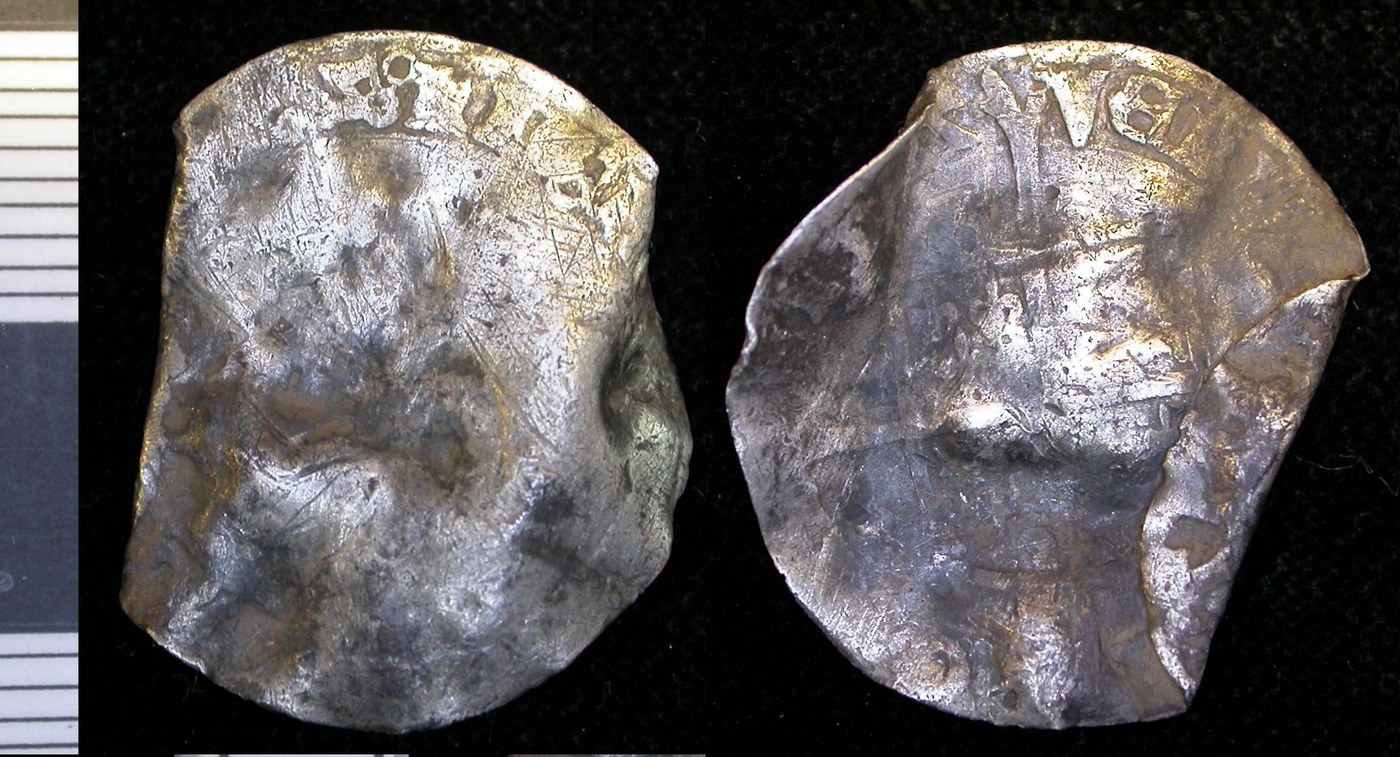
Start with the portrait. A genuine Mary I groat shows a single crowned bust of the queen facing left, with no second figure. This immediately separates it from the Philip and Mary shilling and sixpence, which pair two facing busts. If you see only one royal profile in a female crowned bust, you are looking at one of Mary's sole-portrait denominations.
Read the legends. The obverse should carry a version of MARIA D G ANG FR Z HIB REGINA, naming Mary as queen. Then check the reverse for the motto VERITAS TEMPORIS FILIA ("Truth, the daughter of Time"). That motto is one of the most reliable confirmations for the type, since it is specific to Mary. Letters on hammered coins are often unevenly struck, so read what survives rather than expecting a complete legend.
Check the reverse design and mint mark. Expect a shield of quartered royal arms set over a long cross that reaches the legend. Look near the start of the legend for a pomegranate mint mark, Mary's inherited badge - its presence supports the attribution. Then confirm the physical size: a groat is a small silver coin of roughly 23-25 mm and about 2 grams. A hammered flan will usually be a little irregular, slightly oval, or off-centre.
Rule out look-alikes and be cautious about authenticity. Distinguish the groat from Mary's smaller half-groat and penny (lower denominations, smaller and lighter) and from the joint Philip and Mary silver. Because Tudor hammered coins are collectible, cast copies and tooled or "improved" pieces exist. Warning signs include a soft, grainy surface from casting, a seam around the edge, incorrect weight, or lettering that looks too crisp and modern. For a higher-value example, favour coins with clear provenance or third-party authentication.
Frequently asked questions
What is the single quickest way to identify this coin?
Confirm a lone crowned bust of Mary facing left on the obverse plus the reverse motto VERITAS TEMPORIS FILIA - together they strongly point to a Mary I sole-reign silver coin.
How do I tell a groat from a half-groat or penny of Mary?
Compare size and weight: the groat (fourpence) is the largest of the three at about 23-25 mm and roughly 2 grams, while the half-groat and penny are progressively smaller and lighter.
Is the pomegranate mark always present?
A pomegranate mint mark is commonly seen and helps confirm the attribution, but strike weakness or wear can obscure it, so use the portrait and legends as your primary checks.
How can I spot a fake or cast copy?
Watch for grainy or porous surfaces, an edge seam, wrong weight or diameter, and lettering that looks unnaturally sharp; when in doubt, seek third-party authentication.