
How to Identify the Livonian Order Schilling
A collector's guide to recognizing a medieval Livonian Order silver schilling by its shields, cross, hammered fabric, and Gothic legends.
Read the full Livonian Order Schilling encyclopedia entry →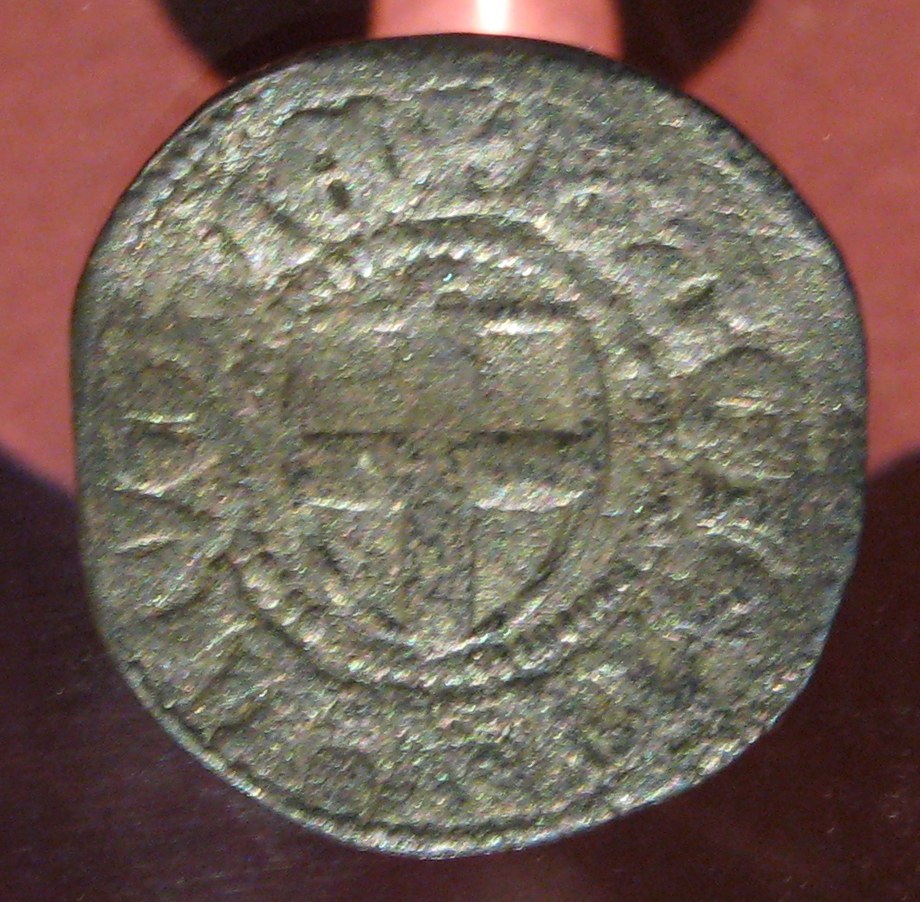
Begin with the fabric of the coin. A Livonian Order schilling is a small, thin, hand-struck silver piece with an irregular round outline and an uneven surface. If the coin is a perfectly round, uniformly milled disc with sharp rims, it is not a genuine medieval hammered coin. The slightly wavy flan, variable thickness, and occasional edge cracks are expected and are a first authenticity signal rather than a defect.
Read the two faces. One side should show a heraldic shield; the other pairs a cross with a shield. Around each design runs a Latin legend in Gothic blackletter, frequently abbreviated and often running off the edge of the flan. Weak, doubled, or partly missing letters are normal for a hand-struck coin and do not by themselves indicate a fake. The specific arms on the shields are what tie the coin to the Order and its ruling master, so photograph both sides clearly for attribution.
Check scale and metal. This is a small-denomination silver coin, so it should be light and modest in diameter, comparable to other late-medieval small change, and it should have the gray tone and heft of silver rather than the color of brass or the lightness of a base-metal replica. There is no stamped date; the roughly 1410–1415 window comes from matching the heraldry and legend to reference works, not from a year on the coin.
Distinguish it from look-alikes. Similar hammered schillings were struck by the neighboring Archbishopric of Riga and by Baltic Hanseatic towns such as Riga, Reval, and Dorpat, and their designs can resemble the Order's. The exact arms in the shields and the wording of the legend are what separate an Order issue from a town or ecclesiastical one, so attribution should rest on the heraldry, not a general "cross and shield" impression.
Be cautious about authentication. Medieval Baltic coins are collected and therefore sometimes faked or cast; watch for a soft, grainy surface, seams, or a suspiciously regular flan that suggests a cast copy rather than a struck original. When value or a firm attribution matters, seek confirmation from a specialist in Livonian and Baltic medieval coinage or an established dealer rather than relying on the general appearance alone.
Frequently asked questions
How can I tell it is genuinely hammered and not a modern copy?
Genuine pieces are struck by hand, so expect an irregular flan, uneven thickness, and legends that partly run off the edge. A perfectly round, seamed, or grainy cast-looking coin is a warning sign of a replica.
What confirms it is a Livonian Order issue rather than a town coin?
The specific heraldry in the shields and the wording of the Gothic legend tie it to the Order and its master. Similar cross-and-shield schillings from Riga or Baltic Hanseatic towns look alike, so attribution depends on the exact arms, not the general design.
How do I date a coin with no year on it?
You match its heraldic devices, legend, and style to published references on Livonian coinage. That is how this type is placed at roughly 1410–1415 rather than by a stamped date.
Should I clean the coin before identifying it?
No. Cleaning a medieval silver coin can strip its surface and sharply reduce its value. Leave the patina intact and photograph both faces clearly for attribution instead.