How to Identify the Lincoln Wheat Cent
How to read the Lincoln obverse and wheat-ears reverse, confirm the small-cent size and bronze color, locate the mint mark, and spot key-date look-alikes.
Read the full Lincoln Wheat Cent encyclopedia entry →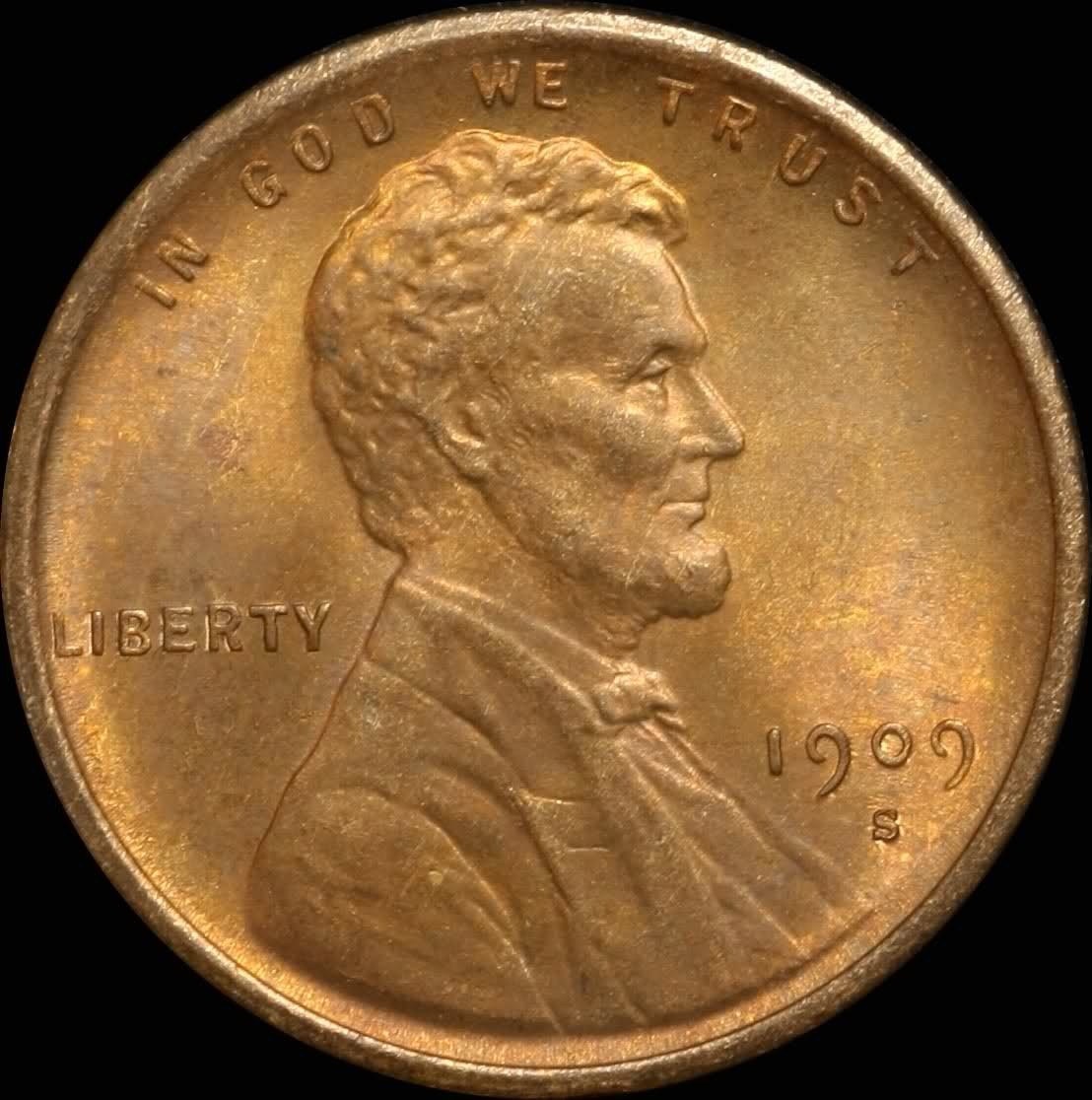
Start With the Obverse
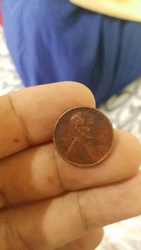
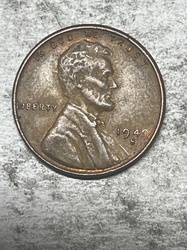
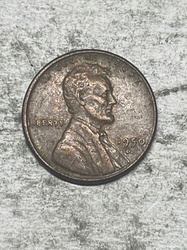
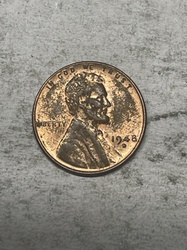
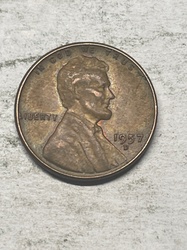
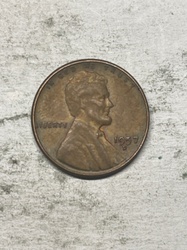
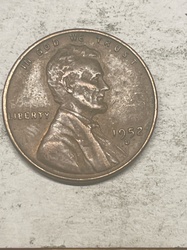
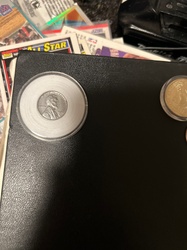
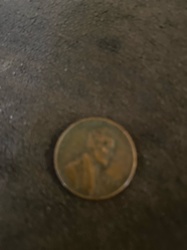
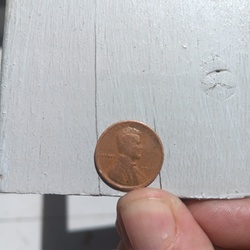
Look for a right-facing profile of Abraham Lincoln. Genuine wheat cents show "IN GOD WE TRUST" arced across the top rim, "LIBERTY" to the left of Lincoln's shoulder, and the four-digit date to the right — our example reads 1909. The portrait style stays consistent across the whole 1909–1958 series, so the obverse alone confirms you have a Lincoln cent but not which variety.
Confirm the Wheat Reverse
Turn the coin over and check for two symmetrical ears of wheat curving up each side, framing "ONE CENT" and "UNITED STATES OF AMERICA," with "E PLURIBUS UNUM" across the top. This wheat-ears reverse is what distinguishes a "wheat cent" from later Lincoln cents, which show the Lincoln Memorial (1959–2008) or other reverse designs. If you have a 1909 coin, inspect the very base of the reverse for the small initials "V.D.B.," which appear only on some 1909 pieces.
Check Size, Metal, and Edge
The Lincoln Wheat Cent is a small cent: about 19 mm in diameter with a plain, smooth edge. Bronze coins weigh roughly 3.1 grams and are brown to reddish-brown. A notable exception is 1943, when cents were struck in zinc-coated steel and look silvery and are magnetic; a bronze 1909 coin like this one is non-magnetic and coppery. Weight and color together help flag altered or mismatched pieces.
Locate the Mint Mark
On a wheat cent the mint mark sits just below the date on the obverse. "S" indicates San Francisco, "D" indicates Denver, and no mint mark means Philadelphia. Because the mint mark drives value on early dates, examine it under magnification to confirm the letter is well struck and part of the original surface rather than added or reshaped.
Watch for Key-Date Fakes and Alterations
The 1909-S and the 1909-S V.D.B. are famous, high-value key dates, which makes them prime targets for counterfeiting and alteration. Common tricks include adding an "S" mint mark to a Philadelphia coin, or attaching or re-cutting the V.D.B. initials. Compare the mint-mark shape and position, and the date font, to trusted reference images. For any coin you believe is a scarce early date, treat the value as unconfirmed until a reputable third-party grading service has authenticated it.
Frequently asked questions
How do I tell a wheat cent from a newer Lincoln cent?
Check the reverse. Wheat cents (1909–1958) show two ears of wheat around "ONE CENT." Coins from 1959 on show the Lincoln Memorial or later designs, even though the obverse portrait is similar.
How can I check a 1909 cent for the V.D.B. variety?
Look at the very bottom center of the reverse, between the tips of the wheat ears. If the small letters "V.D.B." are present, it is the V.D.B. type; if that area is blank, it is the plain reverse.
Is my 1909-S automatically worth a lot?
It is a scarce and desirable date, but value depends heavily on grade, surface color, and whether it is the V.D.B. variety. Wear, cleaning, and damage reduce value, and altered coins are common, so authentication is strongly advised.
Should I clean a wheat cent before selling it?
No. Cleaning leaves marks and strips original surfaces, which lowers value to collectors. Examine the coin under good light and magnification and leave any conservation to professionals.
Lincoln Wheat Cent identified by the community
Recent Lincoln Wheat Cent coins identified with Coin Identifier.