
How to Identify the Lampsakos Electrum Stater
A guide to identifying the electrum staters of Lampsakos by the forepart of the winged horse Pegasos and the plain incuse punch reverse.
Read the full Lampsakos Electrum Stater encyclopedia entry →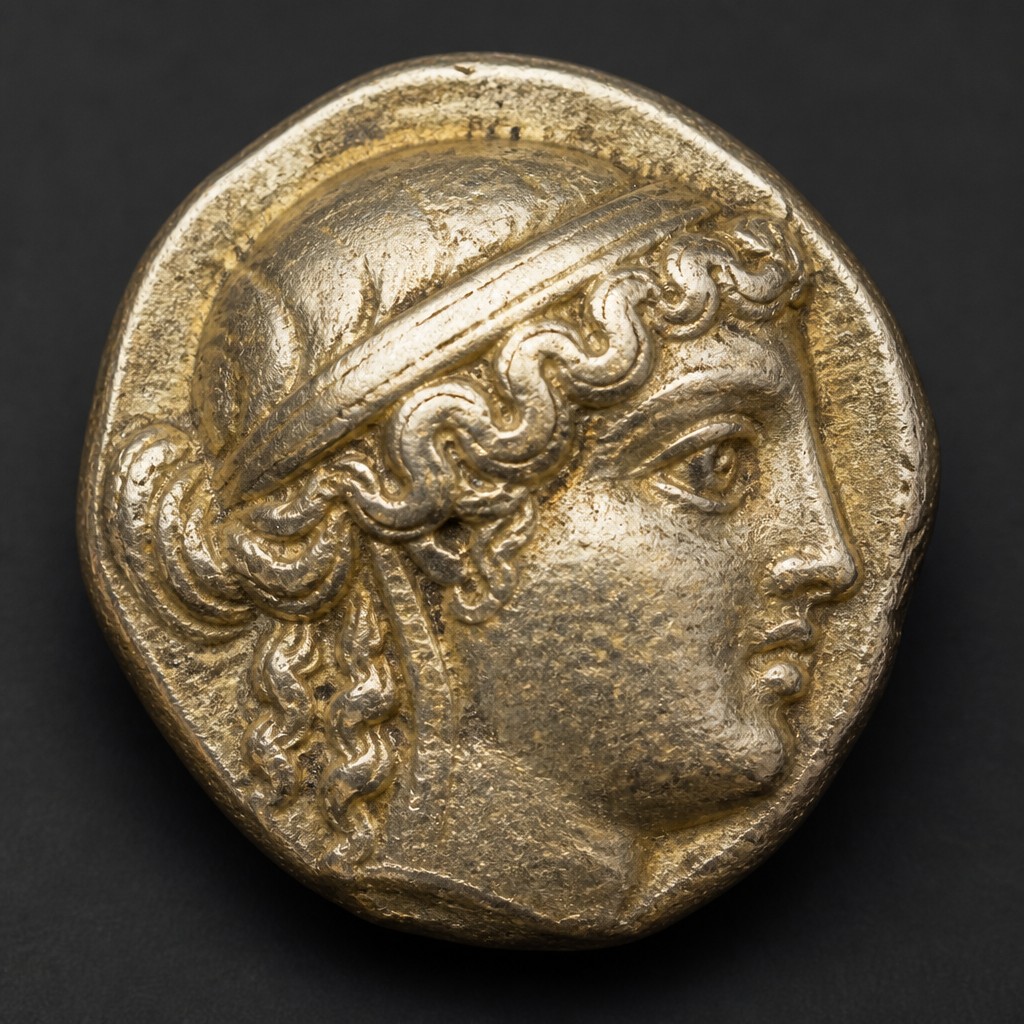
What It Is
Lampsakos (Lampsacus), a Greek city on the Asian shore of the Hellespont, was another major producer of electrum trade coinage in the archaic and classical periods, alongside its better-known neighbor Cyzicus. Rather than the tunny fish used at Cyzicus, Lampsakos identified its electrum coinage with the forepart of Pegasos, the winged horse of Greek myth, a design later carried over into the city's famous gold staters of the 4th century BC.
Obverse
The obverse shows the forepart (head, neck, and front legs) of Pegasos, the winged horse, usually facing left, with the wing rendered in careful, feathered detail. Some issues show the horse's head alone rather than a fuller forepart, and small accompanying symbols occasionally appear in the field.
Reverse
Like other early electrum coinage of the region, the reverse carries no pictorial design, only a plain incuse square punch mark, sometimes divided into two or more compartments depending on the specific die used.
Size, Weight, and Metal
The metal is electrum, the natural pale gold-silver alloy typical of early Anatolian coinage. A full stater weighs approximately 15.3 grams on the regional Phocaic weight standard, with smaller electrum fractions also known.
Identifying the Mint
The Pegasos forepart is Lampsakos's consistent identifying device on its electrum series, playing the same role that the tunny fish plays for Cyzicus, allowing the coin to be attributed to the mint even without any written city name. No ethnic inscription appears on the early electrum issues.
Telling It Apart From Similar Coins
The most important distinction is with Cyzicus, whose electrum staters use a tunny fish rather than Pegasos as the mint identifier, even though both cities issued similar electrum trade currency at similar weights. Lampsakos should also not be confused with Corinth's later silver Pegasos-type coinage, which shows a full standing Pegasos (not just a forepart) combined with a helmeted Athena head, in silver rather than electrum.
Grading at a Glance
Look for clean, well-defined detail in the horse's mane, wing feathers, and facial features, since the compact forepart design leaves relatively little room for a weak strike to still read clearly. The incuse reverse should show sharp, well-formed compartment divisions.
Authenticity Red Flags
Watch for a Pegasos forepart that looks stiff, poorly proportioned, or lacking crisp feather and mane detail, incorrect alloy color or weight for electrum, and a reverse incuse that appears too regular or shallow compared to genuine punches. Because Lampsakos and Cyzicus electrum are sometimes confused or misattributed even innocently, always confirm the specific identifying device (Pegasos forepart, not a tunny fish) before attributing a coin to Lampsakos.
Frequently asked questions
What symbol identifies a Lampsakos electrum stater?
The forepart of Pegasos, the winged horse, serves as the city's consistent mint identifier on its electrum coinage.
How is this different from a Cyzicus electrum stater?
Cyzicus staters use a small tunny fish as their identifying mark, while Lampsakos staters use a Pegasos forepart; both are electrum trade coins of similar weight from the same general region.
What metal and weight standard was this coin struck on?
It is electrum, a natural gold-silver alloy, with a full stater weighing approximately 15.3 grams on the Phocaic weight standard.
Did Lampsakos later use Pegasos on other coins too?
Yes, the city carried the Pegasos theme forward into its later 4th-century BC gold stater coinage, though that later series uses different weight and design details from the earlier electrum issues.