
How to Identify the Korean 1 Yang Silver (Joseon/Great Han Empire)
A small silver coin from Korea's late Joseon modernization era, identified by a coiled dragon obverse, the denomination '1 Yang' in Chinese characters, and machine-struck round form unlike traditional cash coins.
Read the full Korean 1 Yang Silver (Joseon/Great Han Empire) encyclopedia entry →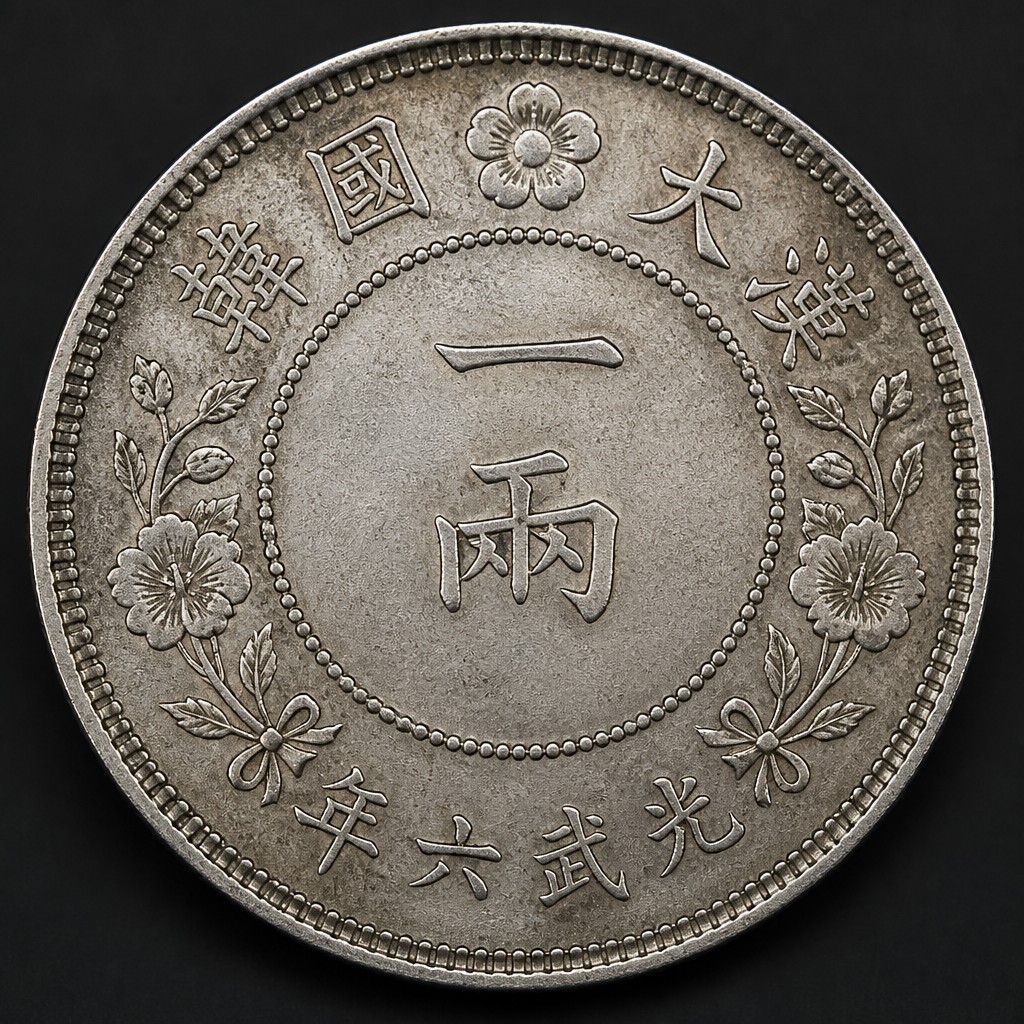
What This Coin Is
The 1 Yang silver coin belongs to Korea's brief experiment with Western-style machine-struck coinage in the final years of the Joseon dynasty, part of a currency reform effort in the late 1880s and early 1890s that also produced fractional denominations and a larger 5 Yang silver dollar. It represents a transition away from centuries of cast cash coins toward coinage resembling contemporary Japanese and Chinese silver issues.
Obverse Design
The obverse typically features a coiled or facing dragon design, a traditional East Asian royal symbol, encircled by an inscription identifying the issuing authority in Chinese characters (hanja), often referencing "Chosun" (Joseon) as the kingdom's name.
Reverse Design
The reverse carries the denomination "1 Yang" (一兩) rendered in Chinese characters within a wreath or beaded border, along with a date expressed using the Korean dynastic or reign-year dating system rather than the Gregorian calendar.
Size, Weight, Metal, and Edge
As a fractional silver denomination in this series, the 1 Yang coin is noticeably smaller and lighter than the flagship 5 Yang silver dollar-sized coin, struck in silver with a plain or lightly reeded edge typical of machine-struck coinage of the period.
Mint Marks and Where to Find Them
Coins from this reform series were produced at Korea's new mint facility established near Incheon (Inchon) with Japanese technical assistance. Because the series was short-lived and produced in limited quantities, subtle die and inscription variations exist and are best identified by comparing the exact placement and style of the dragon and characters against reference photographs.
Telling It Apart from Similar Coins
The 1 Yang is easily confused with other fractional denominations from the same series, such as the smaller "Fun" (or Poon) copper and silver pieces; the key distinguishing point is the denomination text itself, which must be read carefully in Chinese characters. It can also be mistaken for contemporary Japanese or Chinese dragon coinage, though the Korean inscriptions and dragon style differ subtly from both.
Grading at a Glance
On higher-grade examples, the dragon's scales, claws, and whiskers remain sharply defined, and the beaded border on the reverse is complete and even. Worn examples show a flattened dragon body and softened denomination characters, with the date sometimes becoming difficult to read.
Authenticity Red Flags
Because genuine examples are scarce and sought after by collectors of Korean numismatics, reproductions and altered pieces circulate. Warning signs include unnaturally uniform, sandy surfaces suggesting a cast (rather than struck) origin, blurred or malformed characters, and inconsistent weight compared to known genuine examples of the same denomination.
Frequently asked questions
What does 'Yang' mean as a denomination?
Yang was a monetary unit used in Korea's late Joseon currency reform, similar in concept to a dollar or won, with fractional units below it.
How is the coin dated if there's no Gregorian year?
These coins use the Korean dynastic reign-year system, so the date must be converted from that calendar to a Gregorian year for reference.
Is the 1 Yang the same as the 5 Yang dollar coin?
No, the 1 Yang is a smaller fractional denomination, while the 5 Yang is the larger, dollar-sized flagship coin of the same series.
Where were these coins produced?
They were struck at Korea's newly established modern mint near Incheon during the late Joseon reform period.