
How to Identify the Katane (Catania) Apollo Tetradrachm
A Sicilian silver tetradrachm from Katane (modern Catania) with a laureate Apollo head on the obverse and a galloping quadriga crowned by Nike on the reverse, among the finest artistic achievements of Sicilian die engraving.
Read the full Katane (Catania) Apollo Tetradrachm encyclopedia entry →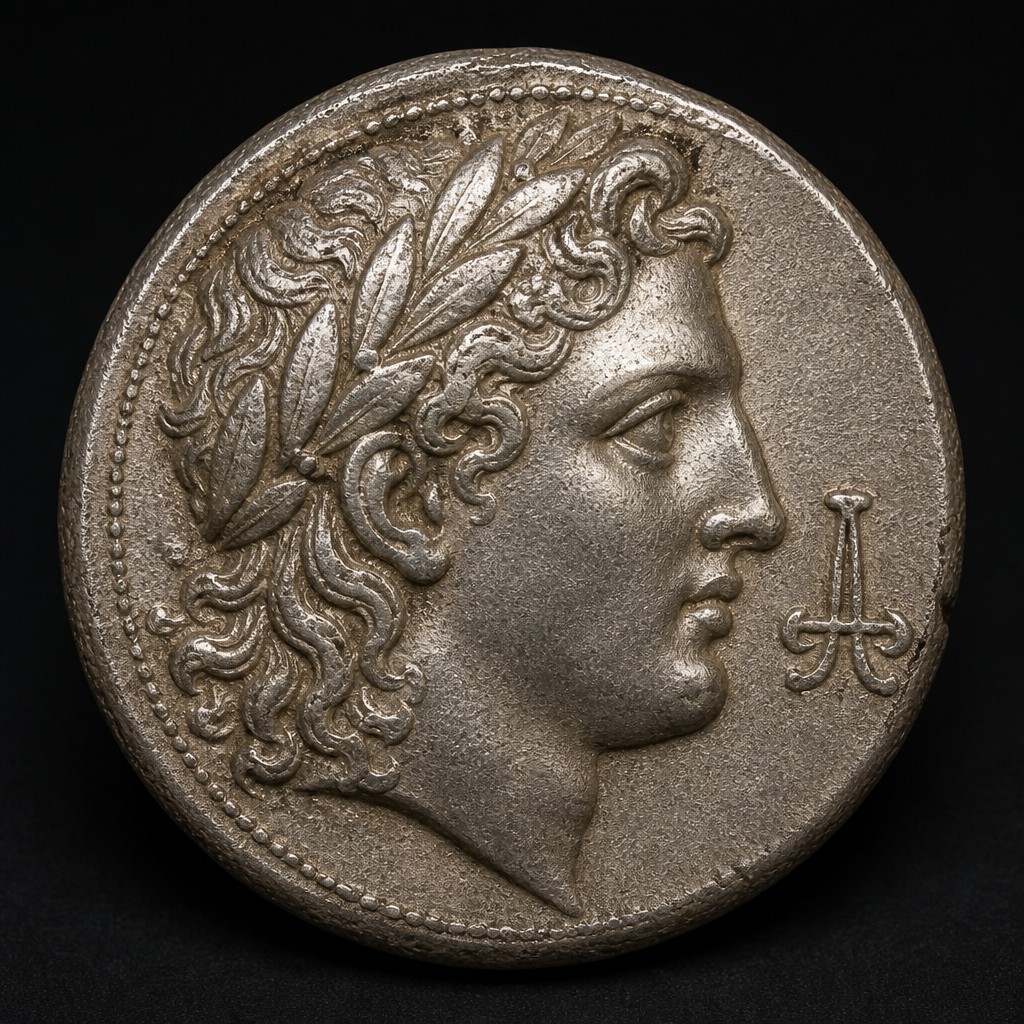
What This Coin Is
This is a silver tetradrachm struck by the Greek city of Katane (the ancient name for modern Catania) on the eastern coast of Sicily, primarily in the later fifth century BC. Katane's coinage is celebrated for its exceptionally high artistic quality, and some dies were signed by renowned engravers whose names are known from surviving specimens.
Obverse Design
The obverse typically shows the laureate head of Apollo facing left or right, rendered with fine, naturalistic modeling of the hair, laurel leaves, and facial features that mark it among the finest portrait work of the classical Greek world. On signed issues, a tiny engraver's name may appear in small letters near the truncation of the neck or in the field.
Reverse Design
The reverse depicts a fast-moving quadriga (four-horse chariot) driven by a charioteer, with Nike flying above the horses to crown them with a wreath, a dynamic and energetic composition compared to the slower, more static chariot scenes on earlier Sicilian coins. In the exergue below, the ethnic ΚΑΤΑΝΑΙΩΝ (of the Katanaians) is inscribed, sometimes with a small additional symbol.
Size, Weight, and Metal
Struck in silver on the Attic-Sicilian standard, these tetradrachms generally weigh close to 17 grams and measure roughly 24 to 27 millimeters in diameter. The edge is plain and hand-struck, as with all coinage of this era.
Mint Marks and Where to Find Them
Check the exergue for the ethnic ΚΑΤΑΝΑΙΩΝ, and examine the area near Apollo's neck truncation and the reverse exergue closely for tiny engraver signatures, since Katane is one of the relatively few Sicilian mints where individual die-cutters are known to have signed their work in miniature lettering.
Telling It Apart From Similar Coins
The combination of a finely modeled Apollo head with a galloping, Nike-crowned quadriga is shared stylistically with a handful of other high-quality Sicilian mints of the same period, such as Syracuse, so the ethnic ΚΑΤΑΝΑΙΩΝ in the exergue is the definitive way to confirm a Katane attribution. Artist signatures, when present and legible, can also help confirm both the mint and the approximate date of an issue.
Judging Condition at a Glance
On the obverse, Apollo's hair curls and laurel leaves are high-relief and wear quickly, so their sharpness is a good first indicator of grade. On the reverse, the horses' legs, Nike's wings, and the charioteer's figure are similarly prone to flattening. Because this type was struck with considerable artistic ambition, a well-centered, sharply struck example will show far more of the intended detail than a typical worn or off-center piece, so overall eye appeal varies widely between specimens.
Authenticity Red Flags
Given the fame and value of finely engraved Sicilian tetradrachms, this type has been a frequent target for skilled forgeries as well as older decorative casts. Signs of a cast copy include a slightly soft or blurred rendering of fine details like hair curls and horse legs, a seam around the edge, and a grainy surface. Because artist signatures are a known feature of genuine Katane issues, an oddly placed, misspelled, or anachronistic "signature" added to a coin that does not otherwise match documented die styles should raise suspicion.
Frequently asked questions
Why are Katane's tetradrachms considered artistically important?
They feature exceptionally fine, naturalistic die engraving, and some issues carry the signatures of individual engravers, making them notable examples of high classical Greek numismatic art.
Where would an engraver's signature appear on the coin?
Signatures, when present, are typically tiny letters placed near Apollo's neck truncation on the obverse or worked into the reverse exergue, and require close inspection to spot.
How do I distinguish this from a similar Apollo-and-quadriga tetradrachm from another Sicilian city?
Check the exergue for the ethnic ΚΑΤΑΝΑΙΩΝ, which confirms a Katane attribution as opposed to visually similar issues from other fine Sicilian mints like Syracuse.
What weight should a genuine coin have?
Genuine examples typically weigh close to 17 grams, matching the Attic-Sicilian silver standard used broadly across classical Sicilian coinage.