
How to Identify the Julius Caesar Portrait Denarius
A guide to the historic 44 BC denarius bearing Julius Caesar's own portrait, the first time a living Roman was shown on coinage, covering its design, moneyer marks, and common confusions.
Read the full Julius Caesar Portrait Denarius encyclopedia entry →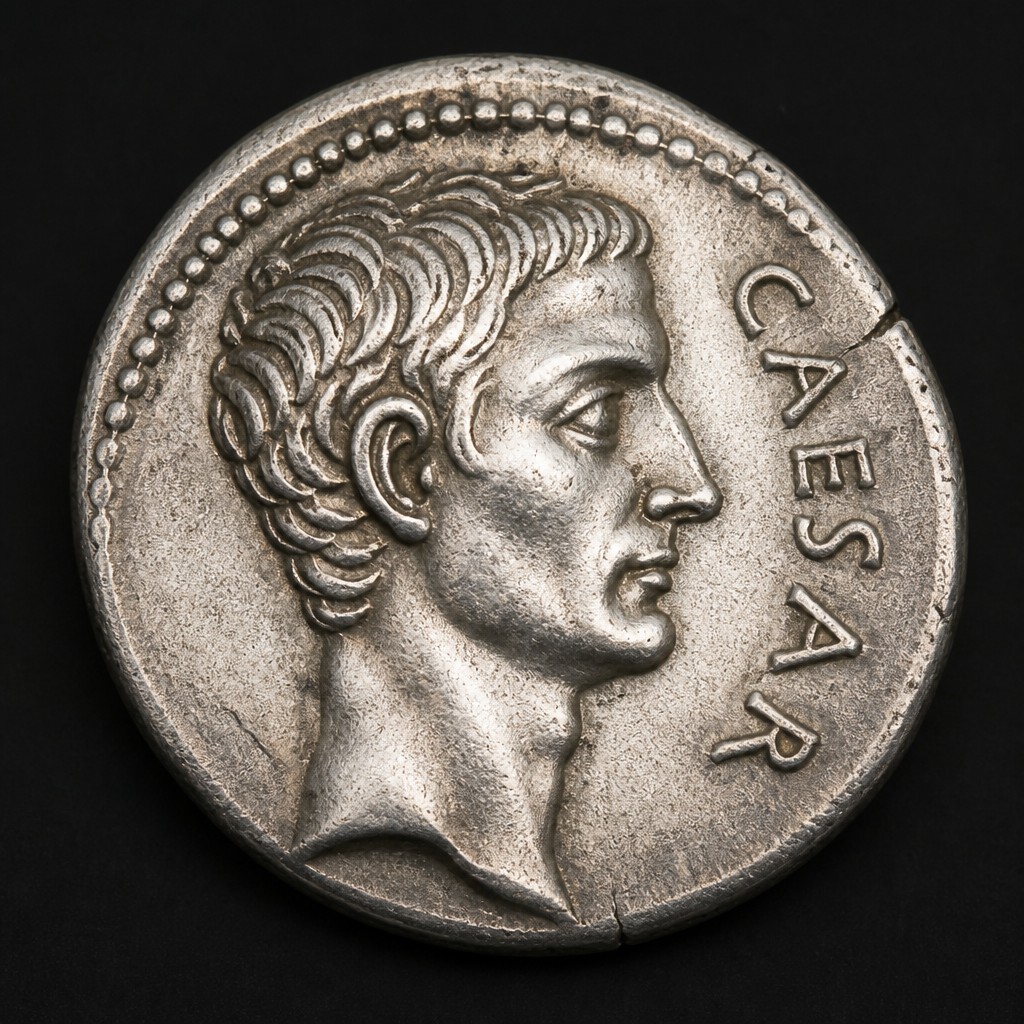
What This Coin Is
This silver denarius was struck in early-to-mid 44 BC and is remarkable as the first Roman coinage to depict a living individual, Caesar himself, rather than a deity, ancestor, or personification. It was issued in the final months before his assassination.
Obverse Design
The obverse shows a laureate, and on some issues veiled, head of Julius Caesar facing right, an aged, realistic, somewhat gaunt portrait. The legend varies by moneyer but commonly includes CAESAR combined with a title such as DICT PERPETVO (dictator for life) or DICT QVART, reflecting his accumulating honors in his final year.
Reverse Design
Reverse types were struck by different moneyers under Caesar's authority and vary accordingly. A common type shows Venus standing left holding Victory and a scepter, or a spear resting on a shield, referencing Caesar's claimed descent from Venus through the Julian line. The moneyer's name, such as P. Sepullius Macer or another official, typically appears in the reverse legend.
Size, Weight, and Metal
These denarii measure roughly 18-19mm across and weigh consistent with the late Republican standard of about 3.8-3.9 grams, with a plain hand-struck edge.
Identifying the Moneyer
Look for an abbreviated name in the reverse field or exergue identifying the specific moneyer responsible for that die series. This detail, combined with the exact obverse title, lets specialists narrow the coin to a specific short window in early 44 BC.
Telling It Apart From Similar Coins
Distinguish this from earlier Republican denarii showing ancestor or deity heads with no real contemporary portrait, and from posthumous Caesar issues struck after his death by Octavian and others, which typically add DIVI IVLI or similar deified titles absent from lifetime portrait issues.
Grading at a Glance
Because these were struck under time pressure late in Caesar's life, strike quality varies. Check the sharpness of the facial wrinkles and hair or wreath detail, and look for decent centering, since off-center or double-struck examples exist but reduce eye appeal.
Authenticity Red Flags
This is one of the most historically significant and heavily faked ancient coin types. Scrutinize portrait style against published genuine examples, verify weight closely, check for casting seams or file marks on the edge, and be especially cautious of pieces offered without clear, consistent die characteristics matching known genuine dies.
Frequently asked questions
Why was it significant to put Caesar's own face on a coin?
Roman tradition had reserved coin portraits for gods, personifications, or long-dead ancestors, so placing a living ruler's actual likeness on the denarius was an unprecedented and politically charged move that some senators viewed as a step toward kingship.
How can I tell if my coin was struck during Caesar's life or after his death?
Lifetime issues use titles like DICT PERPETVO or DICT QVART without any reference to deification, while posthumous issues typically include DIVI IVLI or similar wording acknowledging his formal deification by the Senate.
What does the Venus reverse type refer to?
It references Caesar's family's claimed descent from the goddess Venus through her son Aeneas and the Julian line, a lineage Caesar publicly emphasized.
Why is this coin type so often faked?
Its historical importance as the first Roman coin to show a living ruler's true portrait makes it highly desirable to collectors, which has attracted a long history of forgeries, both ancient plated pieces and modern reproductions.