
How to Identify the Islamic Gold Dinar (LACMA M.2006.143.8)
A collector's guide to attributing a calligraphic medieval Islamic gold dinar like the LACMA specimen: reading the legends, checking weight and metal, spotting copies.
Read the full Islamic Gold Dinar (LACMA M.2006.143.8) encyclopedia entry →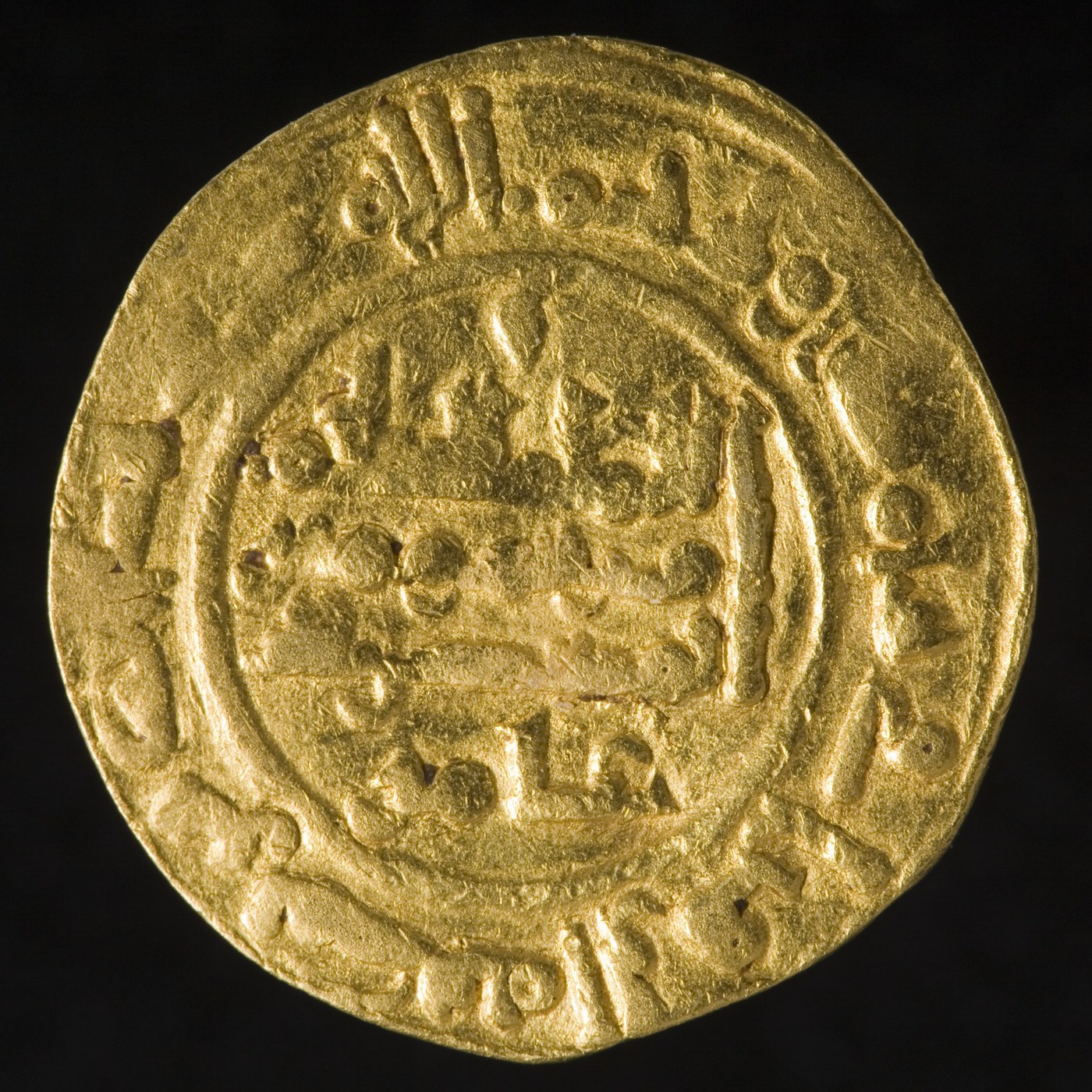
Start by confirming the type is aniconic. A genuine medieval Islamic dinar shows only Arabic calligraphy — no portrait, animal or figure — with the same text-based treatment on both faces. The LACMA piece follows exactly that pattern: inscriptions on the obverse and a calligraphic reverse enclosed by a decorative border. Establishing that the coin is purely inscriptional is the first and most decisive step, since it rules out Roman, Byzantine and European gold at once.
Read the legends in order, because the wording is the attribution. Look at both the inner field and any outer marginal band on each side: the fields usually carry the profession of faith and religious phrases, while the margins typically name the mint city, give the year of striking in Arabic words, and cite the ruling caliph or dynast. Photograph or transcribe every line even if you cannot read Arabic — a specialist uses the exact wording to place the coin with a dynasty such as the Umayyads, Abbasids or Fatimids and to a specific mint and date. For this specimen, the LACMA catalogue record is the primary source for whatever attribution it carries.
Measure and weigh the coin. The classical dinar standard is roughly 4.2–4.3 grams, so weight relative to diameter is an early authenticity screen; a piece far off standard, or one that responds to a magnet, is a warning sign. Note the diameter and thickness, and expect some irregularity in flan shape and strike, since these are hand-struck medieval coins rather than machine-made. Do not treat the yellow color as proof of metal — gilt and plated copies exist.
Be alert to look-alikes and copies. Calligraphic dinars were imitated across many issuers, so a similar layout — even a similar decorative border — does not by itself fix the dynasty; only the legends do. The field also contains modern cast reproductions, tourist replicas and outright forgeries of Islamic gold. Cast copies tend to show soft, mushy detail, seams or surface bubbles and often the wrong weight, whereas genuine struck dinars have crisp, confident calligraphy and sharp relief.
Apply firm authentication caution before paying a premium. Insist on the coin being weighed and measured, have its metal independently tested by specific gravity or non-destructive assay, and have the legends read by a specialist in Islamic numismatics. When the inscriptions cannot be read or the provenance is unknown, keep the attribution — and any valuation — provisional.
Frequently asked questions
I can't read Arabic — how do I get the coin identified?
You do not need to read it yourself. Photograph both faces clearly, including the inner fields and any outer marginal bands, and record the weight and diameter. A specialist in Islamic coinage uses the legends to determine the dynasty, mint and year; for a museum piece, the catalogue record is the starting point.
How do I tell a genuine struck dinar from a cast copy?
Genuine dinars are hand-struck and show sharp, even calligraphy and crisp relief. Cast reproductions reveal soft or mushy detail, seams, surface bubbles and frequently an incorrect weight for the size. Any magnetism is an immediate red flag.
Does the decorative border identify the dynasty?
Not on its own. Ornamental borders and concentric calligraphic layouts were used by several issuers, so style alone does not fix the authority. Only the actual wording of the legends determines the issuing dynasty, mint and date.
What weight should a real dinar be?
The classical standard is close to 4.25 grams of gold, though individual issues vary. Weight well outside that range for a full dinar, especially combined with the wrong diameter, warrants caution and professional metal testing.