
How to Identify the Iranian Rial
A modern circulating coin of Iran's Islamic Republic, identified by its national emblem, Persian-language denomination, and Solar Hijri date.
Read the full Iranian Rial encyclopedia entry →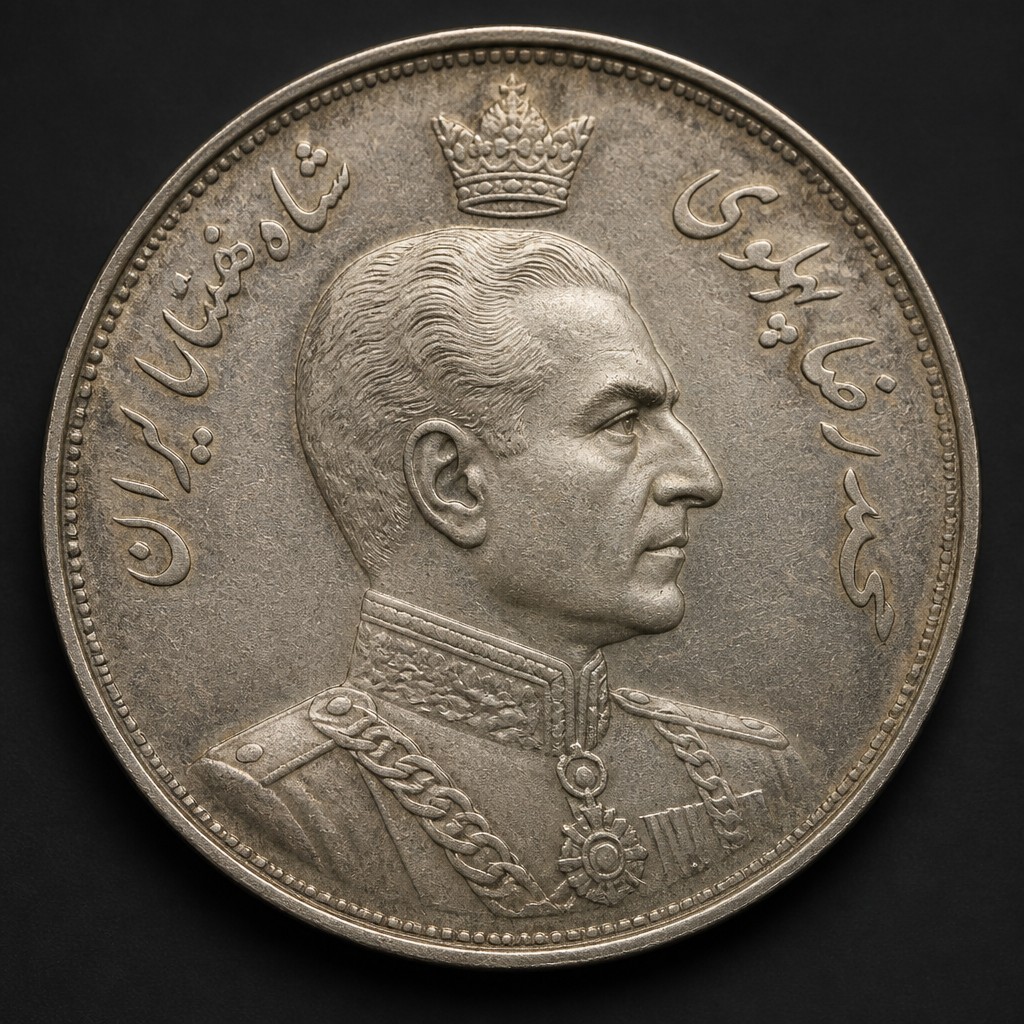
What Is the Iranian Rial Coin?
The rial is Iran's standard circulating currency unit, struck in a range of denominations, such as 250, 500, 1,000, 2,000, and 5,000 rials, in base metals for everyday commerce since the 1979 establishment of the Islamic Republic, replacing the earlier Pahlavi-era coinage. As with many modern circulating coinages, the specific denominations in active production have shifted over time to keep pace with inflation, so older, lower-value pieces from earlier in the Islamic Republic's history are less commonly seen in circulation today than more recently introduced higher-value coins.
Obverse Design
Most modern Iranian rial coins carry the national emblem of the Islamic Republic, a stylized calligraphic design incorporating the word "Allah" and tulip-like elements, along with the country name "Islamic Republic of Iran" in Persian script.
Reverse Design
The reverse typically shows the denomination numeral in Persian (Eastern Arabic) numerals along with the word "rial" and the date in the Solar Hijri calendar. Some denominations and series also depict national landmarks or symbolic imagery, such as a mosque dome or a stylized map, depending on the specific year of issue.
Size, Weight, and Metal
Modern rial coins are struck in base metals such as steel, aluminum-bronze, or nickel-plated steel rather than precious metal, with size and weight varying by denomination; higher-value coins are generally, though not always, larger than lower-value ones within the same series.
Mint Marks
Iranian coinage does not use a separate mint-mark letter system; the date (in the Solar Hijri calendar) and the specific design series are what identify when and under what series a coin was struck.
Telling It Apart from Similar Coins
Because Iran has issued several coinage series with differing imagery since 1979, always check the specific denomination numeral and date rather than relying on general appearance alone, since coin size and color can be similar across different value tiers, especially after circulation wear. It's also useful to compare a suspected rial coin against pre-1979 Pahlavi-era coinage: the absence of any shah's portrait and the presence of Islamic Republic emblem wording are the clearest signs you're looking at a post-revolutionary rial rather than an older monarchy-era coin.
Condition and Grading at a Glance
Given that these are everyday base-metal circulation coins, look for wear on the raised numeral and national emblem. A coin with full, sharp detail in the calligraphic emblem and crisp numeral edges is in better condition than one that has been heavily handled and shows a smoothed, dull surface.
Authenticity Red Flags
Because rial coins carry only modest face value in base metal, counterfeiting for profit is uncommon; however, be alert for coins that don't match the expected size, weight, or metal color for their stated denomination, or that show blurry, poorly formed Persian script inconsistent with an official mint strike.
Frequently asked questions
What metals are Iranian rial coins made of?
Modern circulating rial coins are struck in base metals such as steel, aluminum-bronze, or nickel-plated steel rather than precious metal.
What calendar is used for the date?
The Solar Hijri (Iranian) calendar, which is distinct from both the Gregorian and Islamic Hijri calendars.
Does the coin have a mint mark?
No, Iranian coinage doesn't use a separate mint-mark letter system; the date and design series are the key identifiers.
How do I tell denominations apart if they look similar in size?
Check the Persian numeral and the word "rial" printed on the reverse directly, since coin size alone can be an unreliable guide, especially on worn examples.