How to Identify the Indian Princely State Silver Rupee (Hyderabad)
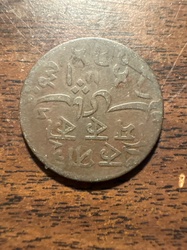
A silver rupee from the princely state of Hyderabad, identified by its Persian calligraphy naming the Nizam rather than any portrait.
Read the full Indian Princely State Silver Rupee (Hyderabad) encyclopedia entry →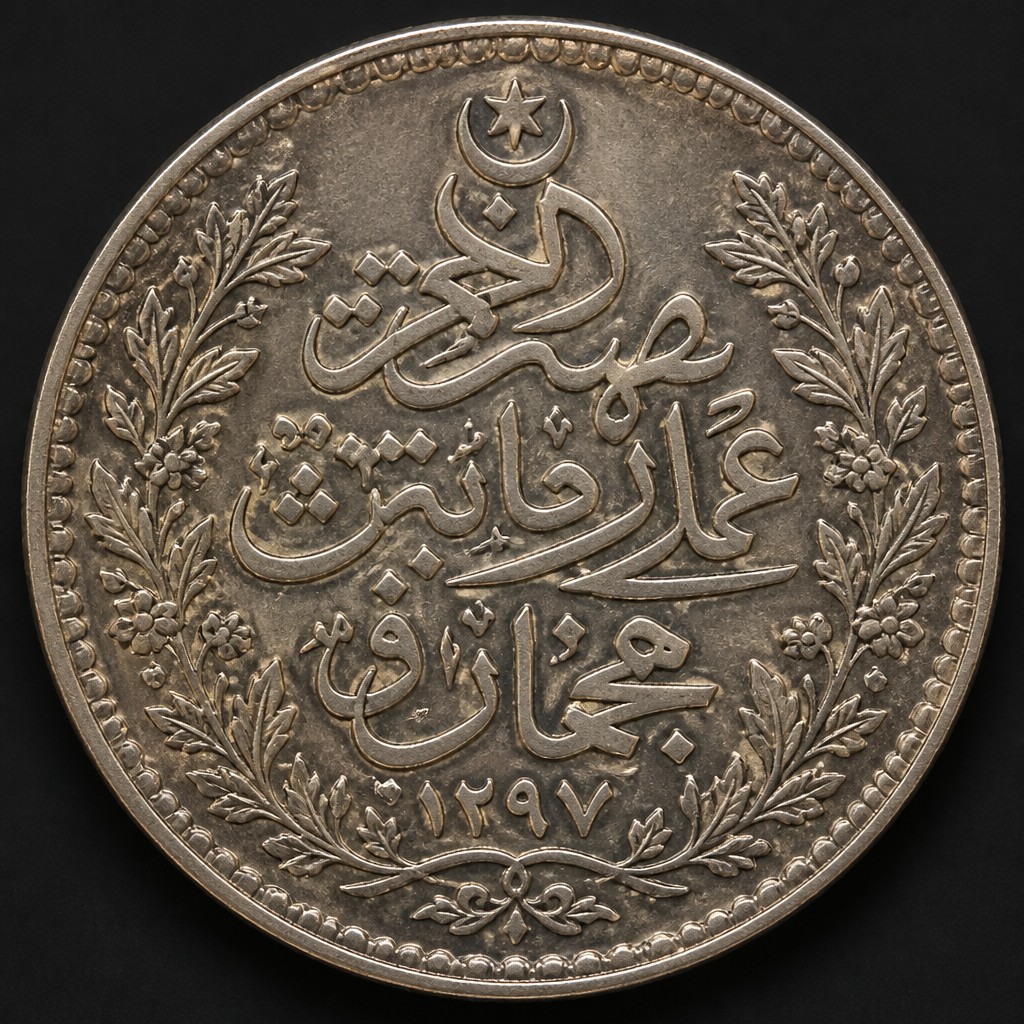
What It Is
This silver rupee was struck by the princely state of Hyderabad, ruled by the Nizams, which maintained its own currency system independent of British India's coinage until it was absorbed into the Indian Republic's currency in the 1950s. Denominations followed the local Hali Sicca and later Osmania Sicca standards. Hyderabad was the largest and wealthiest of India's princely states, and maintaining a distinct coinage was both a practical necessity for local commerce and a visible marker of the state's semi-autonomous status under indirect British paramountcy.
Obverse Design & Inscriptions
The obverse bears Persian or Urdu calligraphic inscriptions citing the reigning Nizam's name and honorific titles within a circular or floral border, along with the Hijri (Islamic) year and sometimes a regnal year. Following Islamic artistic convention, there is no portrait.
Reverse Design & Inscriptions
The reverse continues the Persian titulature or mint formula, often including the ceremonial mint name for Hyderabad ("Farkhanda Bunyad") and the denomination, surrounded by decorative floral or scroll motifs.
Size, Weight, Metal & Edge
It is a silver coin roughly 30mm in diameter, weighing approximately 11.66 grams, matching the British India rupee standard, with fineness commonly in the .885-.916 range. Later machine-struck issues have a reeded edge.
Mint Marks & Where to Find Them
The mint name is spelled out directly within the Persian legend rather than shown as a separate symbol. The specific Hijri date and regnal year in the inscription help pinpoint the exact issue. Because several successive Nizams reigned over a long period, matching the ruler's name and titulature in the inscription against a reference list of Hyderabad rulers is the most reliable way to date a given rupee.
Telling It Apart from Similar Coins
Distinguish this coin from standard British India rupees by the absence of an English legend or a monarch's portrait and by its Persian/Urdu script. Distinguish it from other princely states' Islamic-style coinage by the specific titulature and mint name referencing Hyderabad.
Judging Condition at a Glance
Examine the sharpness of the calligraphic strokes, particularly in the central cartouche, and check the rim and border pattern for wear, since heavy circulation often flattens the fine Persian script first. A well-struck, lightly circulated example should show clear separation between individual letterforms, while a heavily worn piece often reads as a blurred, continuous band of script.
Authenticity Red Flags
Check for correct weight and diameter against known standards, and watch for blurred or re-cut date characters, which can indicate an altered or low-quality replica. Genuine pieces show crisp, evenly struck calligraphy rather than mushy or shallow lettering.
Frequently asked questions
Why is there no portrait on this coin?
Hyderabad's coinage followed Islamic artistic tradition, using calligraphic inscriptions of the Nizam's name and titles instead of a portrait, similar to other Islamic-influenced Indian princely state coinages.
What calendar is the date on?
Dates are typically given in the Hijri (Islamic lunar) calendar, sometimes alongside a regnal year, rather than the Gregorian calendar.
How does this rupee compare in size to a British India rupee?
It closely matches the British India rupee standard at about 11.66 grams and roughly 30mm diameter, since it needed to circulate at par with neighboring currency.
What does "Farkhanda Bunyad" refer to?
It is the ceremonial name used in the coin's inscription for the Hyderabad mint.
What is the biggest red flag for a fake?
Blurred, shallow, or re-cut calligraphy and dates, along with incorrect weight or diameter, are the most common signs of an altered or reproduced piece.
Indian Princely State Silver Rupee (Hyderabad) identified by the community
Recent Indian Princely State Silver Rupee (Hyderabad) coins identified with Coin Identifier.