How to Identify the Indian Head Cent
A step-by-step look at the feathered-headdress Liberty, oak-wreath reverse, small size, bronze color, and the rare 1908–1909 "S" mint mark to check for.
Read the full Indian Head Cent encyclopedia entry →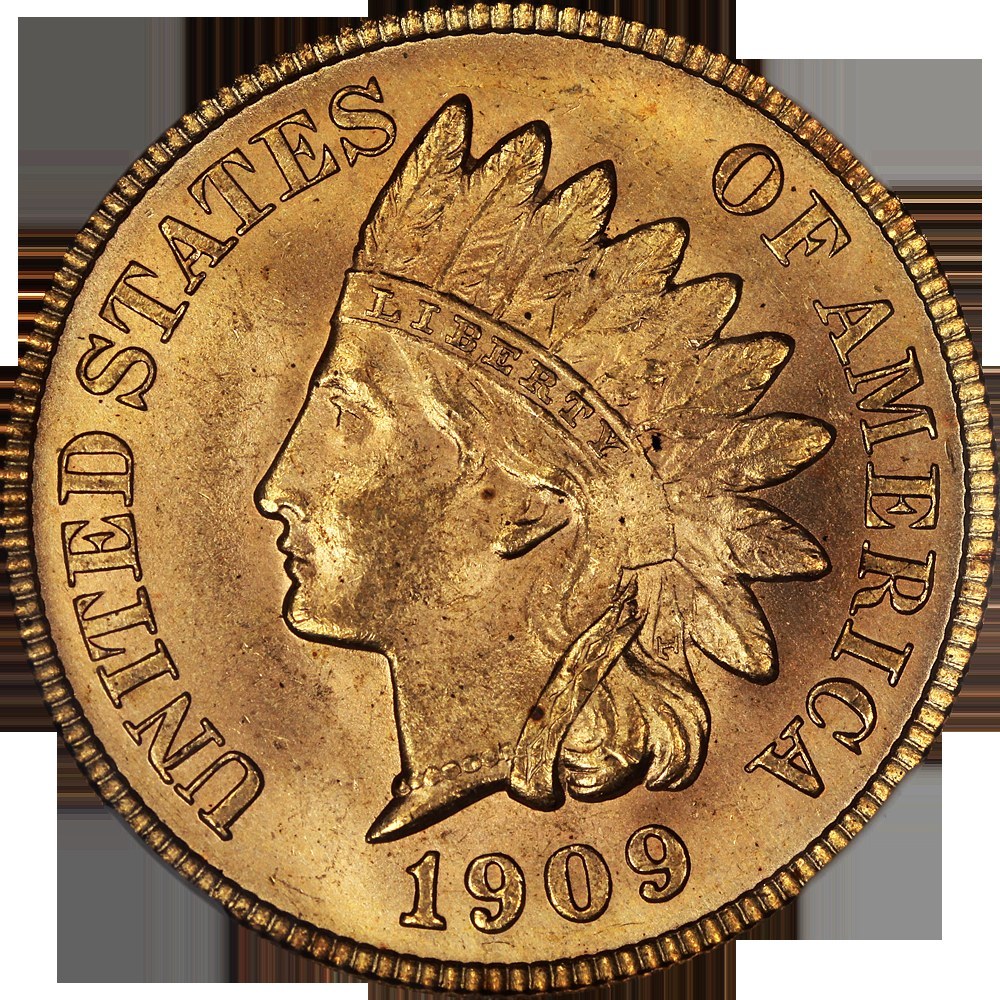
Start With the Obverse
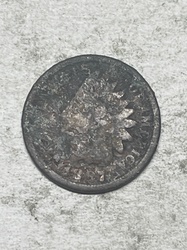
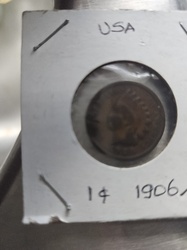
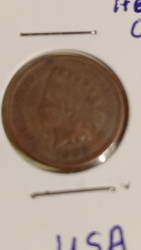
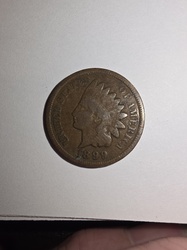
Look for a left-facing head of Liberty wearing a feathered headdress, with the word "LIBERTY" spelled out on the band across the headdress. This lettering is a key diagnostic: on genuine, non-worn coins it should be legible, and heavily worn cents that have lost "LIBERTY" are graded lower. "UNITED STATES OF AMERICA" curves around the rim and the four-digit date sits at the bottom — our example reads 1909.
Check the Reverse Wreath and Shield
The reverse shows "ONE CENT" inside a wreath. From 1860 through 1909 this is an oak wreath tied with a ribbon and topped by a small shield, exactly as on the 1909 coin here. If you instead see a thinner laurel wreath and no shield, you have the scarcer first-year 1859 type. The wreath-and-shield reverse is the version you will encounter on the vast majority of surviving coins.
Confirm Size, Metal, and Edge
The Indian Head Cent is a small cent: about 19 mm in diameter with a plain, smooth edge. Bronze coins (1864–1909) are brown to reddish and weigh roughly 3.1 grams; the earlier 1859–1864 copper-nickel issues look noticeably paler and feel slightly heavier and thicker. Color and weight together help separate the two alloys when the date is worn.
Find the Mint Mark
Mint marks matter for value. Only San Francisco coins of 1908 and 1909 carry a small "S" on the reverse, below the wreath. Every other date — including most 1909 pieces — was struck at Philadelphia and has no mint mark. Because the 1909-S is a well-known scarcity, an "S" on a genuine coin is worth close attention.
Watch for Look-Alikes and Altered Coins
Don't confuse this coin with the Flying Eagle cent (1856–1858), which shows a flying eagle instead of a headdress, or with early Lincoln Cents that begin the same year, 1909. Because key dates like 1877 and 1909-S command premiums, be cautious of added or altered mint marks and re-cut dates; compare suspect coins to trusted images and, for anything valuable, rely on a reputable third-party grading service to confirm authenticity.
Frequently asked questions
How do I tell an Indian Head Cent from a Flying Eagle cent?
The Indian Head Cent shows Liberty in a feathered headdress, while the Flying Eagle cent (1856–1858) shows an eagle in flight on the obverse. They are similar in size but the main design is completely different.
How can I date a coin whose year is worn off?
Use the reverse and metal: a laurel wreath with no shield indicates 1859, while an oak wreath with a shield covers 1860–1909. A pale copper-nickel look points to 1859–1864; brown bronze points to 1864 or later.
Is a small "S" on my coin significant?
Yes. Only 1908 and 1909 San Francisco coins have an "S" below the reverse wreath. The 1909-S in particular is a scarce, sought-after date, so verify the coin's authenticity before assuming a high value.
Should I clean an Indian Head Cent to see it better?
No. Cleaning damages the surface and lowers value to collectors. Examine it under good light and magnification instead, and leave any conservation to professionals.
Indian Head Cent identified by the community
Recent Indian Head Cent coins identified with Coin Identifier.