
How to Identify the India One Rupee (Cupronickel)
A collector's guide to the 1947 George VI cupro-nickel rupee: reading the Latin legend, the striding lion, the metal, size, mint mark and look-alikes.
Read the full India One Rupee (Cupronickel) encyclopedia entry →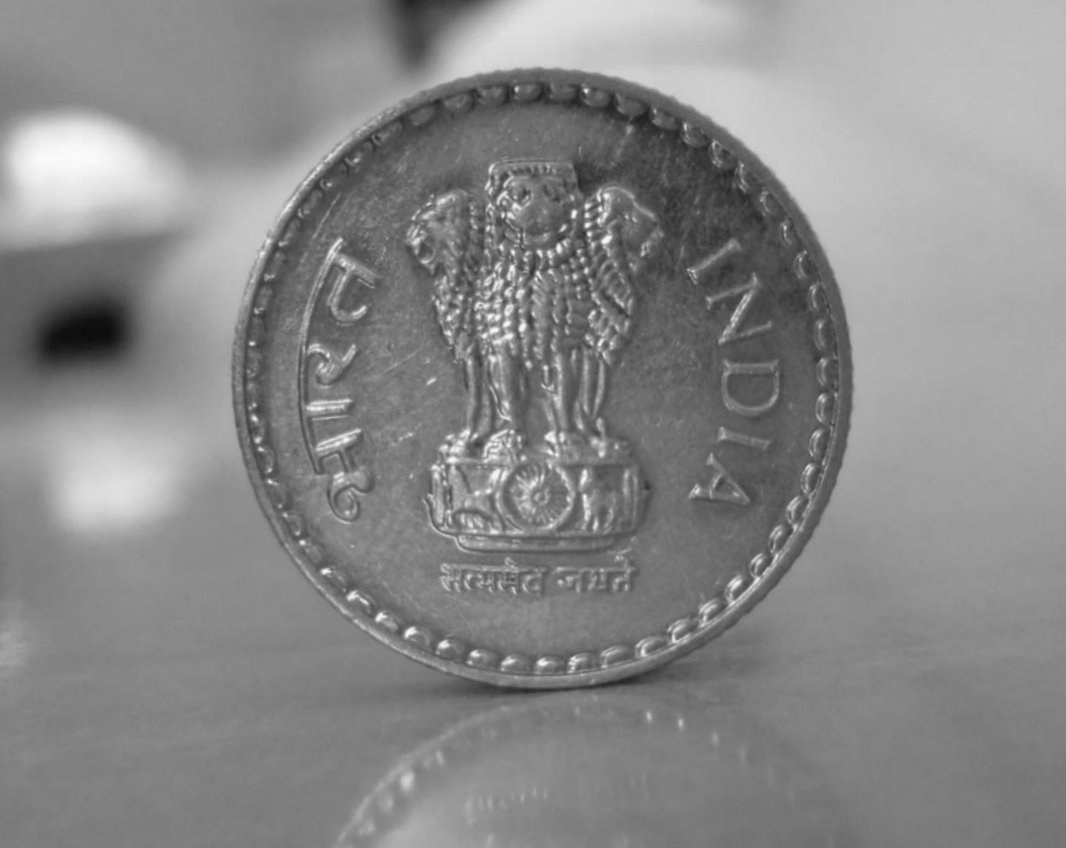
Start with the obverse legend and portrait. This coin shows a crowned bust of King George VI facing left, ringed by the Latin inscription GEORGIVS VI F.D. ET IMP, an abbreviation of his titles as Defender of the Faith and Emperor. The crowned head and Latin wording immediately place the piece among the George VI coins of British India rather than the later Republic issues, which drop the royal portrait entirely.
Turn to the reverse to confirm the type and date. On this rupee a lion strides to the left with the English words ONE RUPEE and INDIA and the year 1947 arranged around it. The plain English denomination and the walking lion are the clinching details; earlier rupees more often lead with Persian or Devanagari script or use a tiger, so the lion-plus-English combination points to the late George VI series.
Check the physical coin. This is a cupro-nickel piece, pale silvery and non-precious, and it is distinctly smaller and lighter than the old silver rupee it replaced. Do not expect it to test as silver: the color comes from nickel, and a genuine example is a base-metal coin. Compare diameter and weight against a catalog for the nickel and cupro-nickel rupee, and look for any small dot mint mark beneath the date, which can distinguish the striking mint.
Watch for look-alikes and mislabeling. The George VI rupee was struck across several years and in more than one alloy (including earlier silver and quaternary-silver issues), so read the date carefully to confirm 1947, and do not assume any George VI rupee is silver. It should also not be confused with the Republic of India rupees that followed, which carry the Lion Capital of Ashoka emblem instead of a royal portrait, nor with the earlier large silver rupees bearing a different reverse.
Apply the usual authentication cautions. Genuine coins are sharply struck with crisp lettering on both the Latin obverse legend and the English reverse wording, and a clean rim. Be wary of cast copies with soft detail, seams or bubbles, of pieces artificially toned or plated to look like silver or gold, and of coins with re-cut dates. When in doubt, weigh and measure the coin and match the legends and the 1947 date against a reliable reference for British India coinage.
Frequently asked questions
How do I confirm this is the 1947 cupro-nickel rupee and not an earlier silver one?
Read the date on the reverse and test the metal. The 1947 issue is base-metal cupro-nickel, smaller and lighter than the older silver rupees. Earlier George VI rupees can be silver, so check both the year and the weight against a catalog.
What does GEORGIVS VI F.D. ET IMP mean?
It is Latin shorthand for George VI's titles: F.D. is Fidei Defensor, Defender of the Faith, and ET IMP is et Imperator, and Emperor. It identifies the coin as an imperial issue of British India.
Where is the mint mark?
When present it is a small dot beneath the date on the reverse. Its presence or absence helps attribute the coin to a particular British India mint, so examine the area just below 1947 closely.
How can I spot a fake or altered coin?
Genuine pieces are struck with sharp lettering and a clean rim. Watch for casting seams, bubbles, mushy detail, artificial silver or gold plating, and re-cut or altered dates, and verify the weight and diameter against a standard reference for British India rupees.