
How to Identify the Ilkhanid Dirham of Ghazan
A collector's guide to recognising Ghazan's silver dirham: the cartouche naming the ruler, concentric Arabic and Persian legends, hand-struck silver, and its look-alikes.
Read the full Ilkhanid Dirham of Ghazan encyclopedia entry →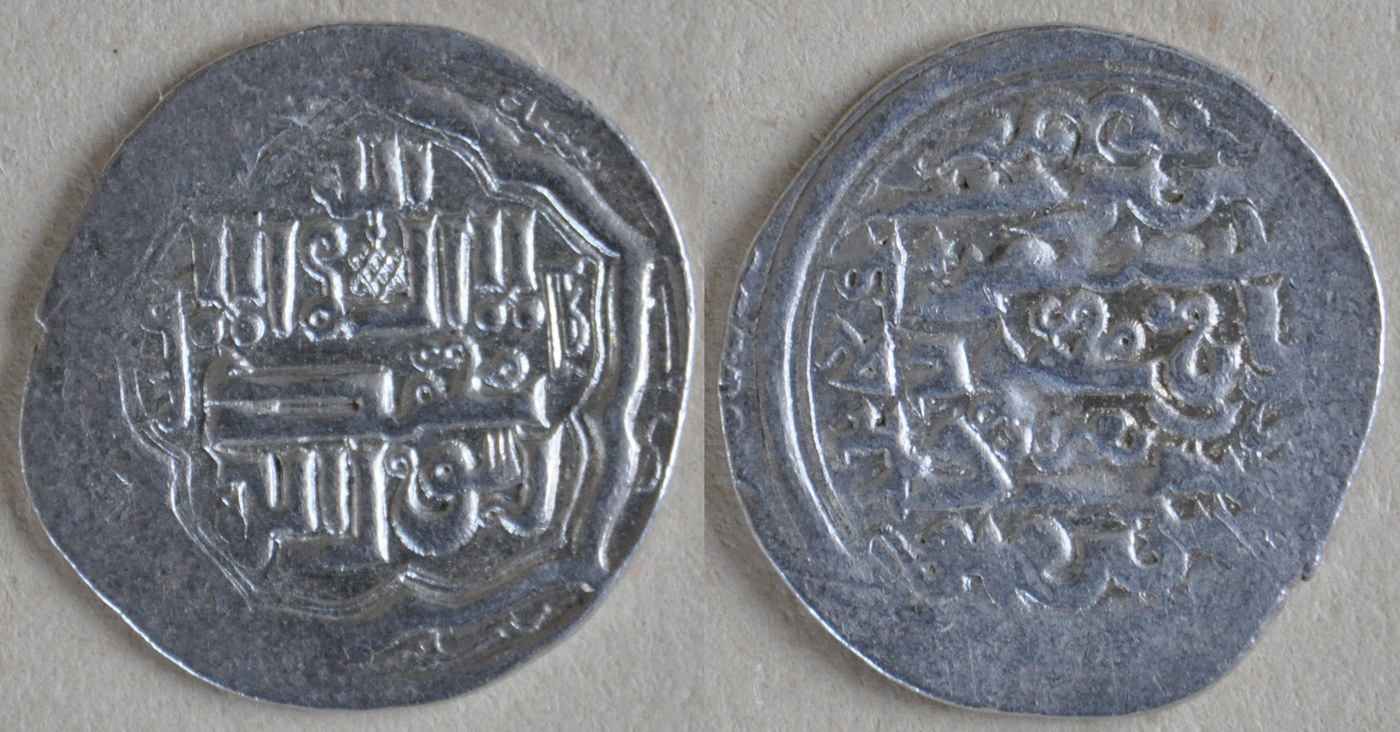
Start with the fabric and metal. The Ghazan dirham is a small, thin, hand-struck (hammered) silver coin, so expect a greyish and often toned silver tone, an irregular or slightly ragged flan, and a strike that may sit off-centre. It should be non-magnetic silver of light weight; a coin that is thick, cast-looking, magnetic, or a bright modern white is a warning sign. The entirely calligraphic, aniconic design — no portrait or animal — immediately places it in the Islamic coinage tradition.
Read the obverse cartouche to pin down the ruler. The signature of this type is an ornamental cartouche, typically a lobed or panelled geometric frame, enclosing the ruler's name. Confirming the name of Ghazan (sometimes with his Muslim name Mahmud) inside that frame is what attributes the coin specifically to him, because many Ilkhanid rulers used the same general framed layout. If you cannot read Arabic script, compare the arrangement of the legend against catalogue plates of Ghazan's coinage.
Examine the reverse for the concentric inscriptions. Ghazan's dirhams carry bands of Arabic and Persian legend arranged in rings, usually including the Islamic profession of faith along with religious and dynastic formulae. The mint name and the date, where they survive, are normally in the marginal inscription in Arabic script. A well-preserved coin will let you read the mint and year in the outer band, which is valuable for a precise attribution.
Watch for look-alikes. Other Ilkhanid rulers, and neighbouring Islamic dynasties, struck silver dirhams in a similar cartouche-and-ring style, so do not assume every framed calligraphic dirham is Ghazan's — always read the ruler's name. Weakly struck or clipped examples that have lost part of the legend are easy to misattribute. The specific framed name plus concentric religious legend is the combination to confirm.
On authentication, weigh and measure the coin and compare it against reference figures for Ilkhanid dirhams, since correct weight and module are hard for casual fakes to match. Genuine pieces are struck, not cast, so be wary of soft, grainy surfaces, seams, or bubbles that point to a cast copy, and of legends that look painted-on or too regular. When the script, mint or date is unclear, photograph both faces and check the design against standard catalogues of Ilkhanid coinage before settling on an attribution.
Frequently asked questions
What is the fastest way to recognise a Ghazan dirham?
Look for a small hand-struck silver coin with an ornamental cartouche framing the ruler's name on one side and concentric rings of Arabic and Persian inscription on the other. Reading the name of Ghazan in the cartouche confirms it.
How do I tell it apart from other Ilkhanid or Islamic dirhams?
Many Islamic silver dirhams share the calligraphic, framed style, so you must read the ruler's name and the mint and date in the legends. The specific naming of Ghazan, not just the general cartouche-and-ring layout, is what separates his coins from those of other rulers.
Where are the mint and date on the coin?
They are normally recorded in Arabic script in the marginal or outer inscription, often on the reverse. On well-struck examples you can read the mint name and year there, which allows a precise attribution.
How do I spot a fake or replica?
Genuine coins are struck silver of the correct small size and light weight. Be cautious of pieces that are magnetic, oversized, heavy or cast-looking, and of soft surfaces, seams or bubbles. Check weight and diameter against catalogue figures and read the legends when unsure.