
How to Identify the Ides of March Denarius (EID MAR)
A guide to spotting the famous Roman EID MAR denarius issued by Brutus, covering its liberty-cap-and-daggers reverse, portrait obverse, and the many modern reproductions collectors encounter.
Read the full Ides of March Denarius (EID MAR) encyclopedia entry →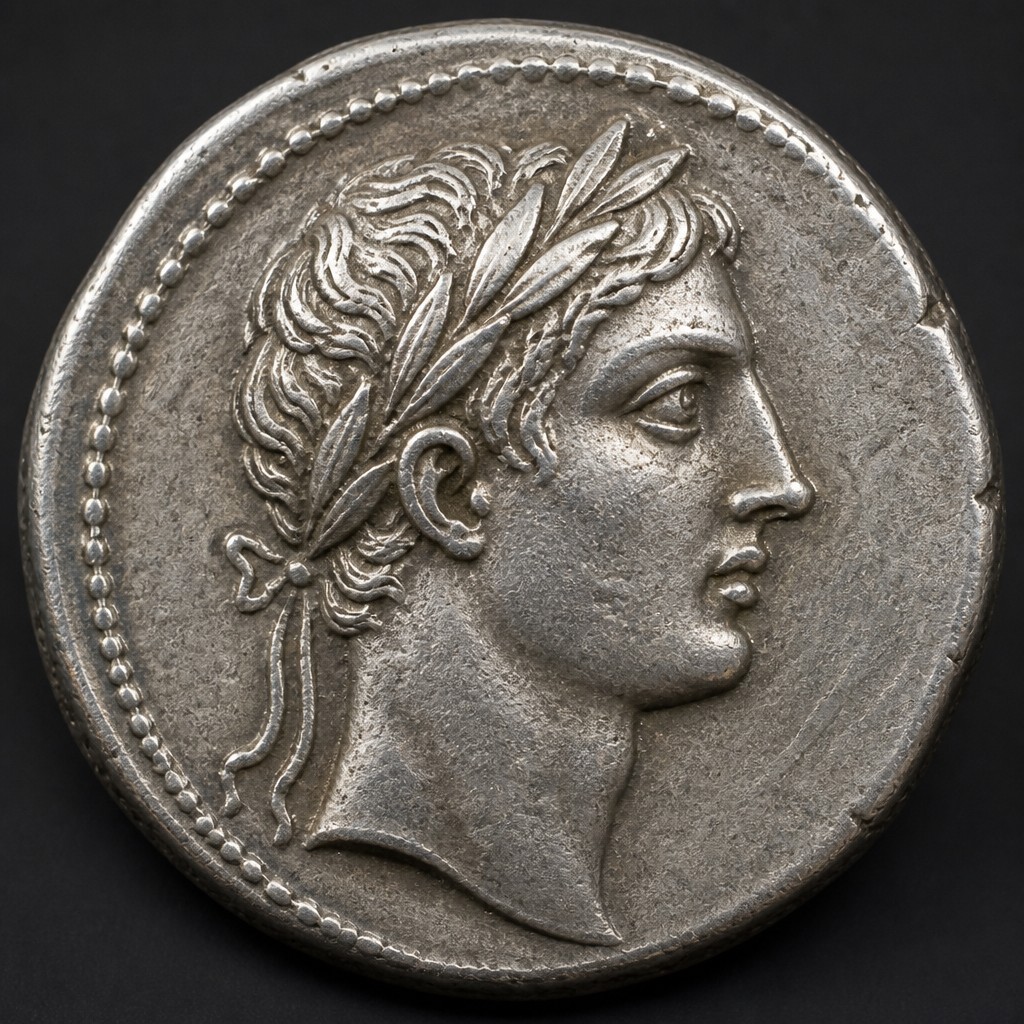
What This Coin Is
The EID MAR denarius is a Roman Republic silver coin struck in 42 BC on the orders of Marcus Junius Brutus, one of the assassins of Julius Caesar, to commemorate the murder on the Ides of March (March 15, 44 BC). It is one of the most famous coins in history, and genuine examples are extremely rare museum- and auction-grade rarities. The vast majority of "EID MAR" pieces a collector will ever handle are modern replicas, tokens, or fantasy pieces, so careful identification matters.
Obverse Design
The obverse shows a bare (unadorned) right-facing portrait believed to be Brutus himself, with a legend naming him, such as BRVT IMP, along with the name of the moneyer who supervised the striking, Lucius Plaetorius Cestianus (L PLAET CEST). Letters are small and the portrait is somewhat plain compared to later imperial coinage.
Reverse Design
The reverse is the coin's signature feature: two daggers (pugiones) flanking a pileus, the soft felt cap traditionally given to a freed Roman slave, symbolizing liberty from Caesar's rule. Below or around this scene is the legend EID MAR, an abbreviation of "Eidibus Martiis" (on the Ides of March).
Size, Weight, and Metal
Genuine silver denarii of this type weigh roughly 3.6–3.9 grams and measure about 18–19mm across, consistent with normal Republican denarii of the period. A small number of gold aurei of the same design were also struck and are even rarer. The edge is plain, as produced by hand-hammering between two dies rather than a mechanical collar.
Mint Marks and Attribution
There is no mint mark in the modern sense. The coin was struck at a military mint traveling with Brutus's army, likely somewhere in the eastern Mediterranean or Balkans, and is attributed by its distinctive dies and legends rather than any mintmark symbol.
Telling It Apart From Modern Copies
Because so few authentic examples exist, almost any EID MAR coin offered casually is a modern souvenir replica, a struck copy sold openly as a reproduction, or a deceptive fake. Genuine pieces show the fine, slightly irregular hand-engraved die work typical of Republican Rome, correct weight and diameter, and natural circulation wear consistent with roughly 2,000 years of potential handling or burial.
Judging Condition
On real ancient examples, look for even, natural wear on the high points of the portrait and dagger hilts, natural toning, and slight die wear or minor doubling typical of ancient hand striking. Sharp, machine-perfect lettering with no toning at all is a strong sign of a modern strike.
Authenticity Red Flags
Cast copies often show a visible seam line around the edge, porous or grainy surfaces, and slightly soft, mushy detail compared to struck coins. Base-metal fakes plated to look silver may show wear spots revealing a different color metal underneath. Because the design is widely reproduced for jewelry and novelty items, any example without clear, verifiable ancient provenance should be treated as a modern piece rather than an original.
Frequently asked questions
Is the EID MAR denarius rare?
Yes. Only around 100 genuine silver examples and a handful of gold aurei are known, making it one of the rarest and most historically significant Roman coins.
What does EID MAR stand for?
It abbreviates the Latin 'Eidibus Martiis,' meaning 'on the Ides of March,' the date Julius Caesar was assassinated in 44 BC.
Why do daggers and a cap appear on the reverse?
The two daggers represent the assassination weapons, and the pileus (freedman's cap) symbolizes the liberty the conspirators claimed to have restored to Rome.
How can I tell if my EID MAR coin is a modern replica?
Check weight (should be about 3.6-3.9g for silver), diameter (about 18-19mm), and look for cast seams, plating wear, or overly crisp modern lettering, which all suggest a reproduction.