How to Identify the Hungarian Ducat
A gold coin of the Kingdom of Hungary struck for centuries, distinguished by a standing king or saint on the obverse and the Madonna and Child on the reverse.
Read the full Hungarian Ducat encyclopedia entry →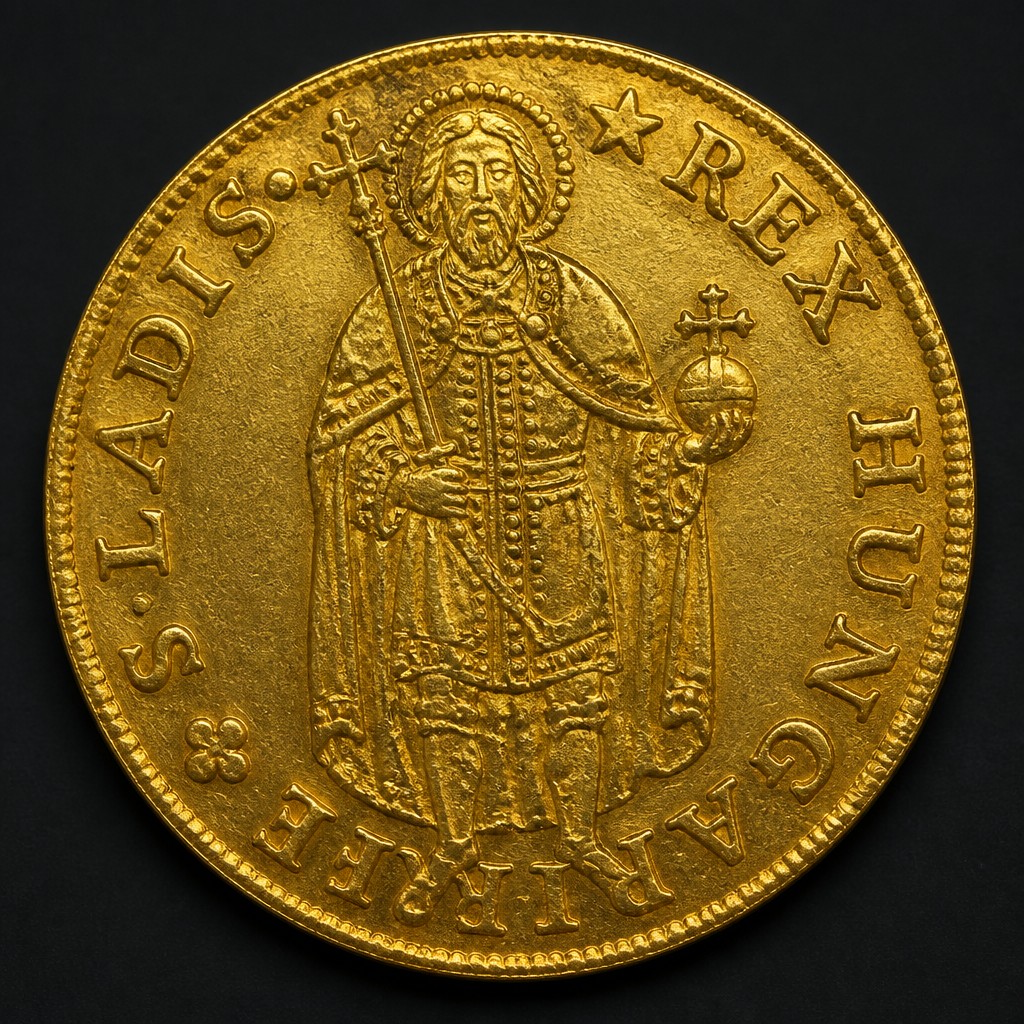
What It Is
The Hungarian Ducat was struck from the 14th century onward and became one of the most trusted and widely circulated gold trade coins in Central Europe, prized for its consistent weight and fineness across a very long production history under different Hungarian rulers, including later Habsburg monarchs who continued the tradition.
Obverse Design
Classic Hungarian Ducats show a standing figure, often the reigning king holding a scepter and orb, or in earlier issues a standing figure of St. Ladislaus, a patron saint associated with Hungarian coinage. A Latin legend naming the ruler and his titles surrounds the figure.
Reverse Design
The reverse consistently depicts the Madonna and Child, with the Virgin Mary shown seated or standing while holding the infant Christ, often within a decorative frame or surrounded by a halo of stars. This religious imagery remained a hallmark of the Hungarian ducat across many centuries and rulers.
Size, Weight, and Metal
Struck in high-purity gold, typically close to .986 fine, the ducat is small, about 20-21mm in diameter, weighing approximately 3.5 grams, matching the broader European ducat weight standard used for international trade.
Mint Marks
Various Hungarian mints, including Kremnica (Körmöcbánya) and Nagybánya, struck ducats, and small mint marks or letters can appear near the standing figure or within the legend, helping pinpoint the specific mint and often the mint master responsible.
Telling It Apart From Similar Coins
The combination of a standing king or saint on the obverse with the Madonna and Child on the reverse is distinctive to Hungarian ducats, though the general "ducat" format was widely copied across Europe. Comparing the specific ruler's name in the Latin legend to known Hungarian monarchs helps confirm authenticity and approximate date, since imitative ducats from other regions typically use different figures or legends.
Judging Condition at a Glance
Look for sharp detail in the king's crown, scepter, and robe folds, along with clear facial features on the Madonna, for higher-grade examples. Worn coins often show a smoothed central figure while the surrounding legend and border remain more legible due to their lower relief.
Authenticity Red Flags
As with other historically prestigious ducats, Hungarian ducats have been imitated both in their own era by neighboring mints and later by modern reproduction makers. Check weight and gold purity against known standards, and be alert to legends with incorrect ruler names, inconsistent lettering styles, or a Madonna and Child rendering that looks stylistically out of place for the claimed period.
Frequently asked questions
What is shown on the reverse of the Hungarian Ducat?
The Madonna and Child, a religious image that remained a consistent feature of Hungarian ducat coinage for centuries.
Who is the figure on the obverse?
Typically the reigning king holding a scepter and orb, though earlier issues sometimes show St. Ladislaus, a patron saint tied to Hungarian coinage.
What is the gold content of a Hungarian Ducat?
It is struck in high-purity gold, close to .986 fine, in line with the broader European ducat trade standard.
How can I tell which mint produced a specific ducat?
Look for a small mint mark or letters near the standing figure or within the legend, corresponding to mints such as Kremnica or Nagybánya.
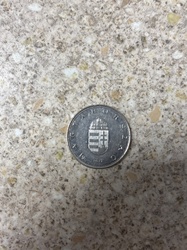
Hungarian Ducat identified by the community
Recent Hungarian Ducat coins identified with Coin Identifier.