
How to Identify the Half Thistle Merk
A collector's walkthrough for attributing a hammered Scottish half thistle merk of James VI by its shield, thistle, size, and legends.
Read the full Half Thistle Merk encyclopedia entry →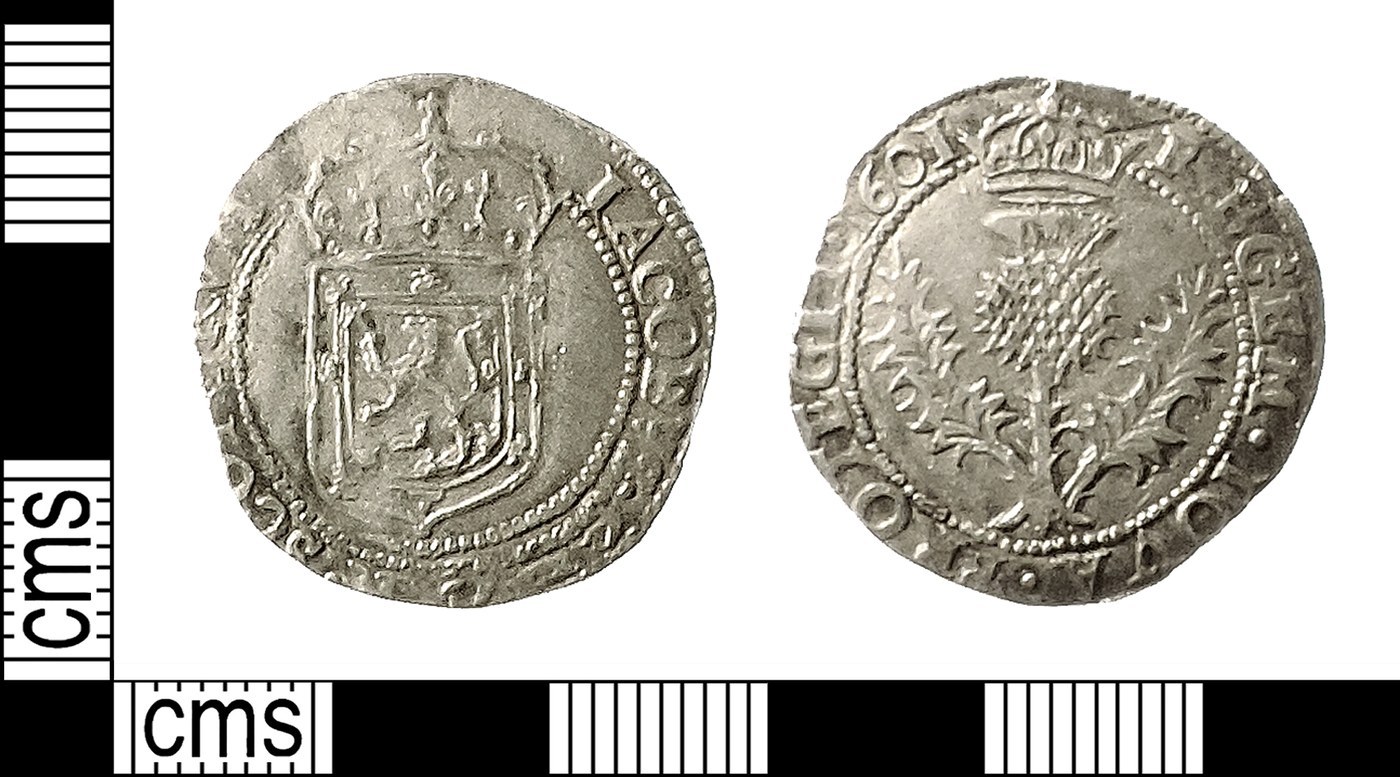
Start with the two devices, because they define the type. Turn the coin so you can read the obverse: you should see a heraldic shield carrying the royal arms of Scotland, ringed by an abbreviated Latin legend naming James as king. Then check the reverse for a thistle, usually crowned and set inside a decorative circular border, again with a Latin legend around the edge. A shield on one side and a bold crowned thistle on the other is the signature of the thistle merk series.
Confirm the metal and size next. The Half Thistle Merk is struck in silver on a fairly broad, thin flan, and it should feel and tone like silver rather than a base metal. Crucially, it is smaller and lighter than the full thistle merk of the same design, so measuring the diameter and weight and comparing them to published figures for James VI silver is the reliable way to separate the half merk from the whole merk and from the smaller quarter and eighth pieces.
Read what you can of the legends and look for a mark of value. The legends are abbreviated Latin and are frequently weak or partly off the flan because the coin is hammered, so do not expect a complete inscription. The king's name and title on the obverse, and any value mark or date, help pin the coin to the correct issue within the series.
Watch for look-alikes and pitfalls. Other Scottish silver of James VI, and the neighboring denominations in the same thistle series, share design elements, so size, weight, and the exact style of the shield and thistle are what separate them. Because hammered coins are irregular, off-center strikes and oval flans are normal, but be cautious of cast surfaces, seams, mushy or repetitive detail, and wrong weight, all of which can indicate a forgery or a modern copy.
For anything beyond a low-grade worn example, match the coin against published plates of Scottish coins of James VI and, where value is involved, seek confirmation from a specialist in Scottish or hammered coinage or a reputable auction record. Careful comparison of the shield, thistle, legends, and measurements is far more dependable than a quick visual impression.
Frequently asked questions
How do I separate the half merk from the quarter and eighth thistle merks?
They share the shield-and-thistle design, so the difference is chiefly size and weight. Measure the diameter and weigh the coin, then compare against published figures for James VI silver; the half merk is larger and heavier than the quarter and eighth pieces.
The legend is only partly visible. Is that a problem?
No. Hammered coins were struck by hand, so parts of the legend often run off the flan or strike up weakly. A partial legend is normal; use the visible portion of the king's name and title, plus the devices and measurements, to attribute the coin.
How can I avoid buying a fake?
Check that the coin is struck rather than cast, with crisp die detail and no casting seams, and that the weight is right for silver. Irregular flans are acceptable, but mushy surfaces, wrong color, or wrong weight are warning signs. For valuable pieces, buy from a specialist or trusted auction.