
How to Identify the Half Groat
The Half Groat was a small hammered silver coin worth two pence, essentially a scaled-down version of the groat used widely in medieval and Tudor England.
Read the full Half Groat encyclopedia entry →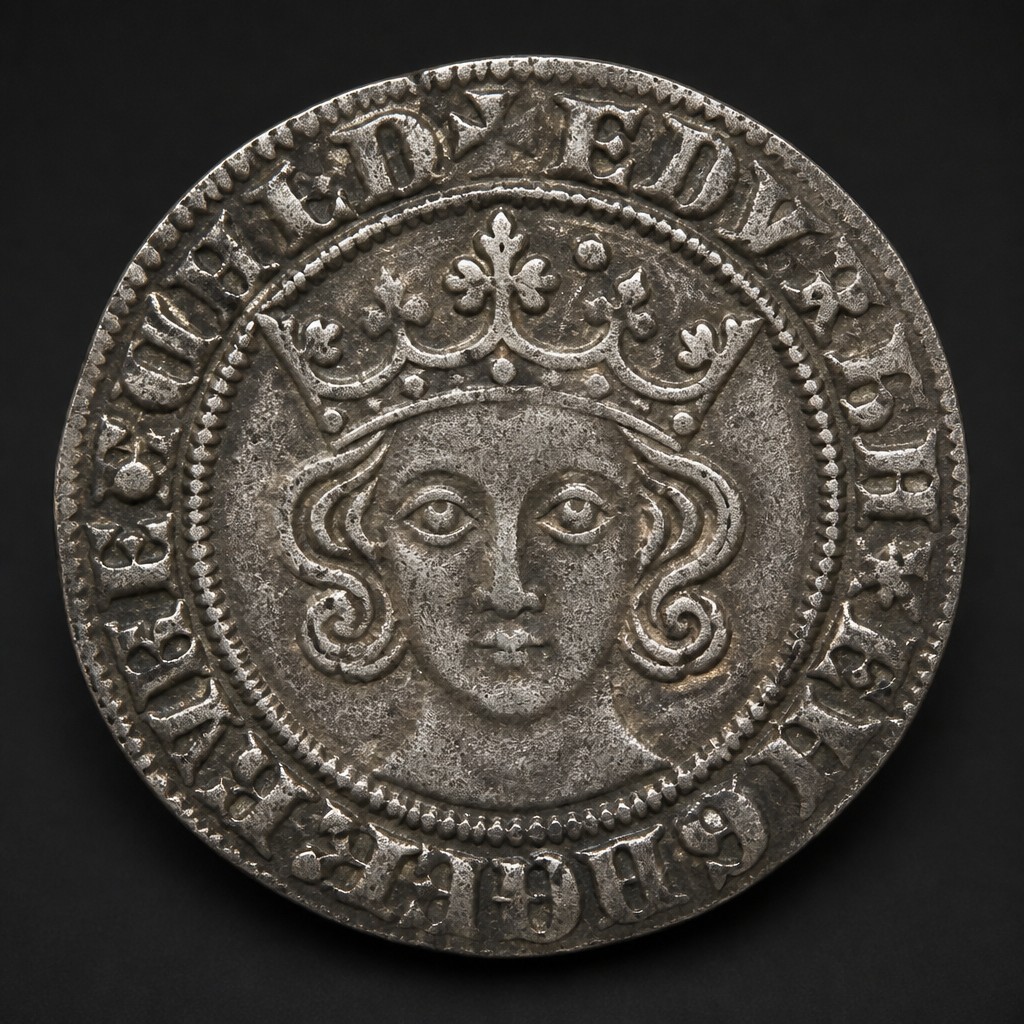
What It Is
The Half Groat was a silver coin worth two pence, exactly half the value of the four-penny groat that circulated widely in medieval and early modern England. It served as useful small change alongside the more common groat and penny, and was struck across many successive reigns with evolving portrait styles.
Obverse Design
The obverse typically features a crowned, facing or profile bust of the reigning monarch, surrounded by a Latin legend giving the ruler's name and title. The portrait style evolved over the centuries, from stylized medieval busts to more lifelike Tudor portraiture, mirroring the broader development of English coin engraving.
Reverse Design
The reverse commonly shows a long cross extending to the edge of the coin, often with pellets or small groups of dots in each quarter, along with a Latin motto such as one referencing God as a helper, and usually the name of the mint city where the coin was struck.
Size, Weight, Metal & Edge
Made of silver, the Half Groat is small, generally under 20mm in diameter and weighing around 1 gram, though exact figures vary by reign and period of debasement. Being hand-hammered, its edge is irregular rather than machine-milled, and coins are frequently found slightly off-round.
Mint Marks & Dating
As a hammered coin, the Half Groat generally lacks a numeral date, especially in earlier periods. Instead, a small mintmark placed at the top of the obverse legend, near the crown, helps identify the approximate period and sometimes the specific mint town, such as London, Canterbury, or York, which struck coins under royal authority.
Telling It Apart From Similar Coins
The Half Groat is easily confused with the full groat, which shares design elements but is larger and heavier. It can also resemble other small silver coins like the penny or half-penny; comparing overall diameter and the level of design detail helps separate the denominations from one another, and a small pocket scale can quickly settle borderline cases.
Grading at a Glance
Look at the crown and facial features on the obverse portrait, and the sharpness of the cross and lettering on the reverse. Well-preserved examples show clear separation between the cross arms and readable legend; heavily circulated or clipped examples show a worn, indistinct design and a reduced flan size from historic edge clipping.
Authenticity Red Flags
Genuine Half Groats show the natural irregularity of hand-hammered striking, including slightly off-center designs and uneven edges. Be cautious of coins that are suspiciously uniform and perfectly round, show incorrect weight for the claimed period, or have a mintmark style inconsistent with the ruler named in the legend, which can indicate a later fantasy piece. Comparing the portrait style against securely dated examples is a reliable way to catch inconsistencies.
Frequently asked questions
How much was a Half Groat worth?
Two pence, exactly half the value of the four-penny groat.
How can I tell a Half Groat from a full groat?
Primarily by size and weight; the groat is noticeably larger and heavier, though the design themes are similar.
Where is the mintmark located?
Typically at the top of the obverse legend, near the crown, though it can be small and easy to overlook.
Does the Half Groat have a printed date?
Earlier issues generally do not; dating relies on mintmarks and legend style rather than a numeral year.