
How to Identify the Groat (Fourpence)
A visual guide to the historic British Groat, a silver fourpence coin identified by its profile portrait, numeral or shield reverse, and small, thin silver planchet.
Read the full Groat (Fourpence) encyclopedia entry →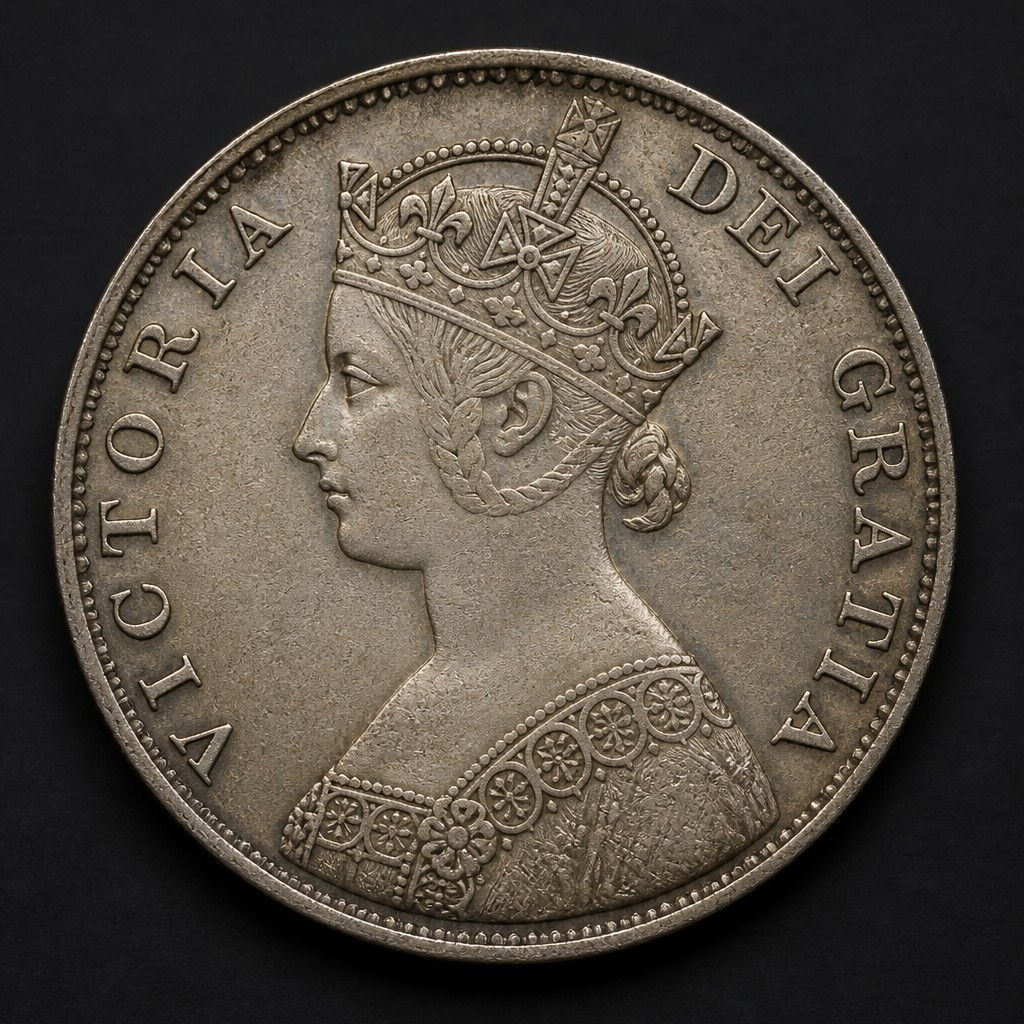
What It Is
The Groat, worth four pence, was an important English and later British silver coin dating back to the medieval period, with the name derived from the French "gros" (large) since it was once a comparatively substantial coin. Its role in general circulation faded over time, and it was last struck for ordinary circulation in the mid-1850s, though a related fourpence piece continued afterward as part of the annual Maundy money set.
Obverse Design and Inscriptions
Obverse designs varied enormously across the centuries the groat was produced, generally showing a profile or facing portrait of the reigning monarch along with a Latin royal title. Later 19th-century groats show a more conventional profile bust similar in style to other silver coinage of the period.
Reverse Design and Inscriptions
Reverse designs also varied by era, ranging from long crosses and shields in medieval issues to a crowned numeral "4" on 19th-century circulating groats, clearly marking the coin's value in pence.
Size, Weight, Metal, and Edge
Groat sizes shifted over the centuries as silver content and minting standards changed, but 19th-century circulating groats measure roughly 16-18 mm in diameter and weigh around 1.9 grams, struck in sterling silver (92.5% fine). Earlier medieval groats can differ notably in size and weight from these later issues, so comparing a specific coin against references for its actual era is important.
Mint Marks and Where to Find Them
Medieval and early modern groats sometimes carry small privy marks or mint marks specific to the ecclesiastical or royal mint that produced them, often near the top of the design. Later 19th-century groats, struck at the Royal Mint in London, generally carry no separate mint mark.
Telling It Apart From Similar Coins
Because the groat's size and weight overlapped with other small silver coins across different periods, correctly identifying a specific groat requires matching its portrait style, inscription, and reverse design to the known coinage of a specific monarch's reign, rather than relying on size alone. The 19th-century crowned "4" design is the clearest identifier for circulating groats of that era, distinguishing them at a glance from the undenominated threepence of the same period.
Judging Condition at a Glance
On the numeral-reverse groat, check that the crown and numeral remain sharply defined, since these are the highest points and wear first. On earlier cross-and-shield designs, look at the fine lines within the shields or cross arms.
Authenticity Red Flags
Given the groat's long and varied history, be especially cautious of coins with a portrait or lettering style that does not match the claimed monarch's known coinage, or with a weight and diameter inconsistent with genuine examples from that specific period. Because the coin is thin and small, heavily worn or clipped examples (where metal has been shaved from the edge, a historic form of currency fraud) are also worth checking for by confirming the coin is reasonably round and full-sized.
Frequently asked questions
When was the groat last made for circulation?
Circulating groats were last struck in the mid-1850s, though a related fourpence coin continued afterward only as part of the ceremonial Maundy money set.
What does 'groat' mean?
The name comes from the French word for 'large' or 'great' (gros), reflecting that it was once a relatively substantial silver coin when first introduced.
What is shown on the back of a 19th-century groat?
A crowned numeral '4', clearly indicating its value of four pence.
Is every four-pence coin called a groat?
The term 'groat' is traditionally used for the historic silver fourpence, including the coins later issued as Maundy money, distinguishing it from other denominations.