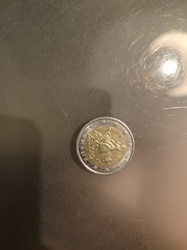
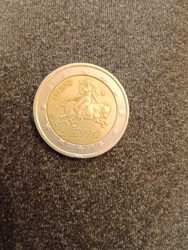
How to Identify the Greek Drachma
The modern Greek Drachma refers to Greece's pre-euro currency coins, circulating until 2002, featuring ancient Greek motifs, national heroes, and symbols like the owl or trireme ship.
Read the full Greek Drachma encyclopedia entry →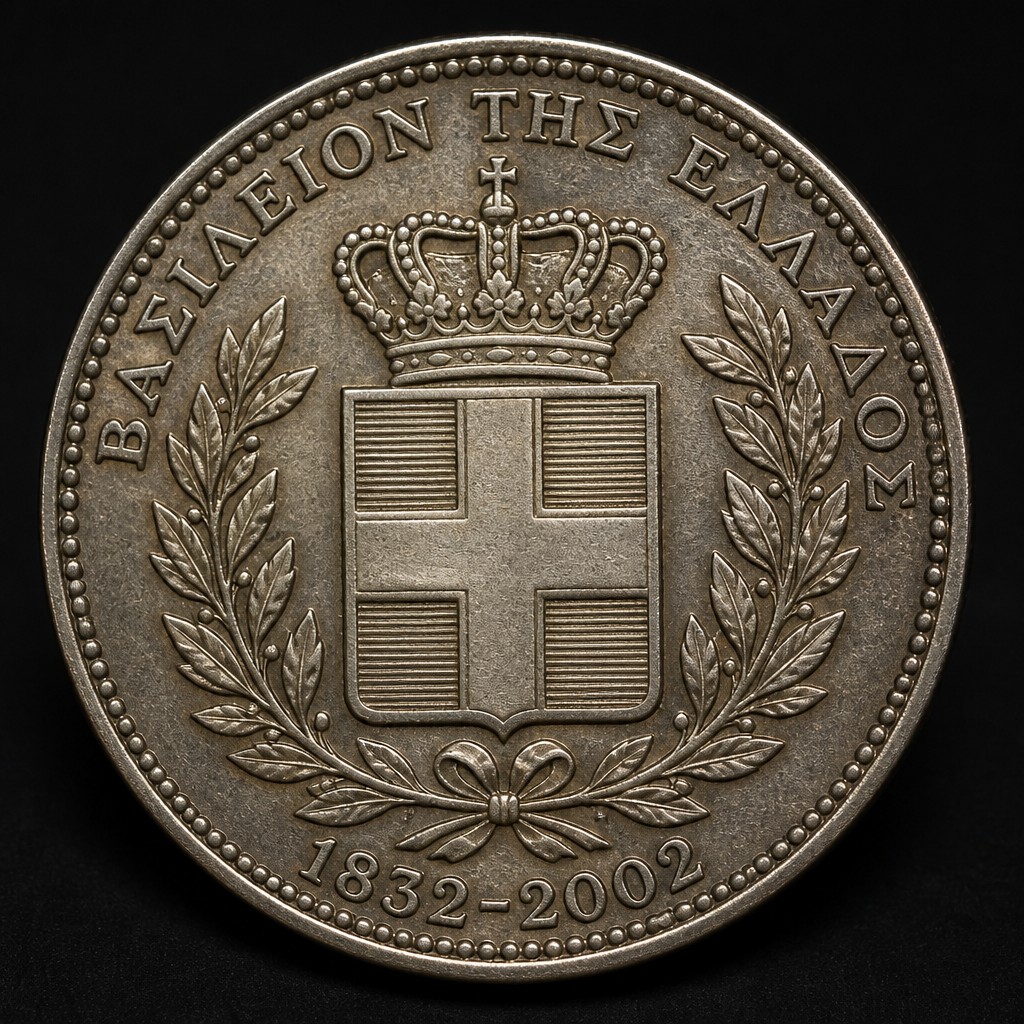
What It Is
The modern drachma was the official currency of Greece for most of the 19th and 20th centuries, until it was replaced by the euro in 2002. Coins were issued in numerous series over this long span, reflecting changes in government from monarchy to republic to military rule and back, so designs vary significantly by era. The name itself revives an ancient Greek monetary unit, deliberately connecting the modern nation's currency to its classical heritage.
Obverse Design
Many 20th-century drachma coins feature a national emblem, a portrait of a reigning monarch (in earlier monarchy-era issues), or a bust of a historical or mythological figure, depending on the specific series and decade of issue. Later republic-era coins commonly show prominent Greeks from history, such as philosophers, poets, or founding political figures.
Reverse Design
Reverse designs often draw on ancient Greek heritage, incorporating motifs like an owl (referencing ancient Athenian coinage), a trireme warship, olive branches, or the national coat of arms, along with the denomination spelled out in Greek numerals or script and the year of issue.
Size, Weight & Metal
Because the drachma was issued across many decades and denominations (from small 1 and 2 drachma pieces up to larger 20, 50, and 100 drachma coins), sizes and metals vary widely — from small aluminum or copper-nickel small change to larger bi-metallic coins in the final pre-euro series of the 1990s, which mirrored the eventual bi-metallic construction later used for the 1 and 2 euro coins.
Mint Marks and Where to Find Them
Greek coinage from this period typically does not use elaborate mint marks in the way some other countries do, since coins were centrally produced; however, small design or engraver initials can sometimes be found in the field near the rim or base of a portrait or emblem.
Telling It Apart from Similar Coins
Because drachma coins were issued across so many political eras, careful attention to the specific inscriptions (in Greek script), portraits, and coat of arms style is the best way to date and identify a specific issue. Compare the coat of arms design carefully, since the monarchy-era arms (with a crown) differ from the later republic-era arms (without a crown).
Judging Condition at a Glance
Check the fine details of any facial portrait or the owl/ship motif for wear, as these raised elements flatten first with circulation. Sharp lettering in the Greek denomination and date, along with well-defined edges on any coat of arms, indicate a higher-grade example.
Authenticity Red Flags
Because many drachma coins are common and low in value, elaborate counterfeiting is uncommon, but reproductions or replica "tourist" coins sometimes circulate. Watch for incorrect weight, blurry or incorrectly styled Greek lettering, or a coat of arms that does not match the known design for that specific era.
Frequently asked questions
When did Greece stop using the drachma?
The drachma was replaced by the euro as Greece's official currency in 2002, after a transition period alongside the newly introduced euro coins and banknotes.
Why do drachma coin designs vary so much?
The drachma was issued over many decades spanning monarchy, republic, and military-rule governments, each of which introduced its own coin designs and symbols.
What common motifs appear on drachma coins?
Many issues reference ancient Greek heritage with owls, trireme ships, olive branches, and portraits of historical or mythological figures, alongside the national coat of arms.
How can I date an older drachma coin?
Compare the style of the coat of arms and any portrait to known monarchy-era or republic-era designs, and check the printed year, which appears in standard Arabic numerals alongside Greek script denominations.
Greek Drachma identified by the community
Recent Greek Drachma coins identified with Coin Identifier.