
How to Identify the Gold Half Sovereign
The smaller companion to the gold sovereign, sharing the same 22-karat fineness and monarch portraits but struck at roughly half the diameter and weight, usually with a shield reverse.
Read the full Gold Half Sovereign encyclopedia entry →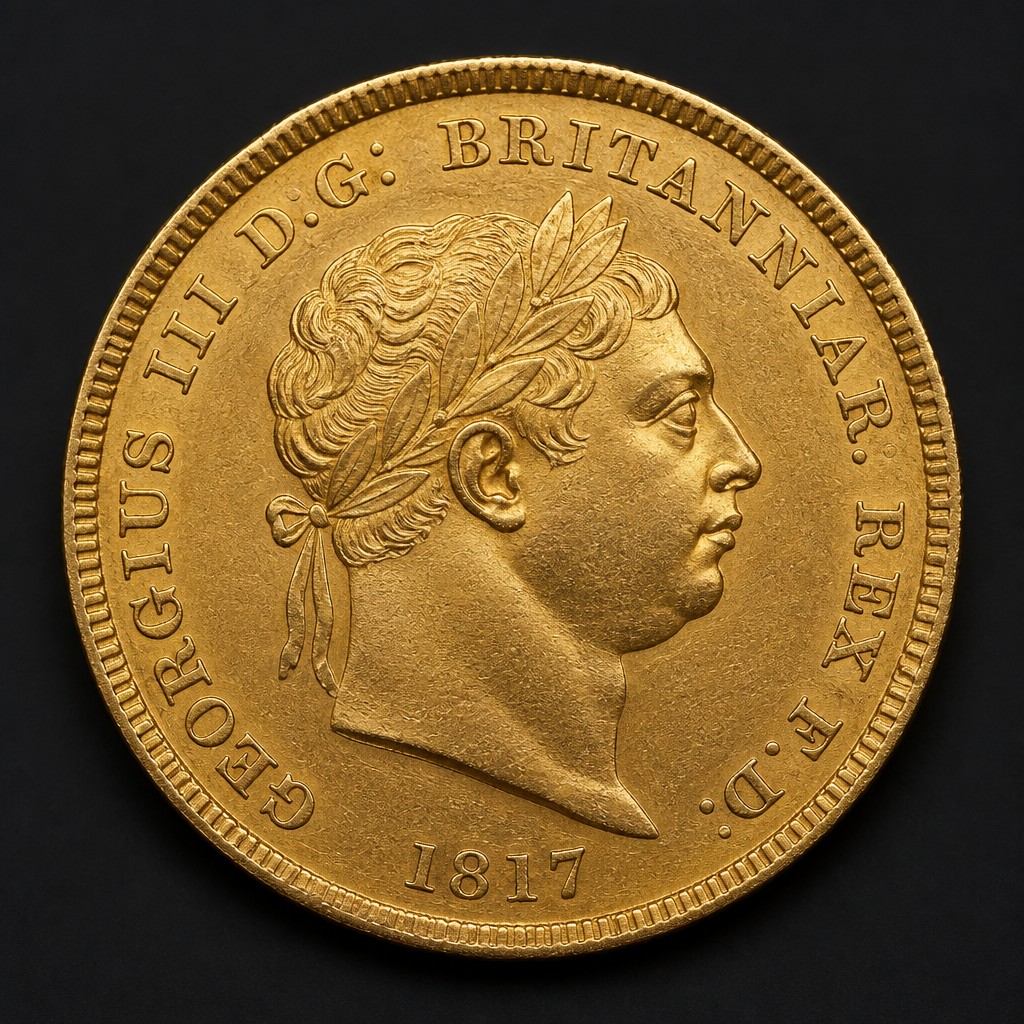
What It Is
The half sovereign is the smaller-denomination companion to the gold sovereign, struck to the same gold standard since the early 19th century and issued under the same succession of British monarchs, serving as a more modestly sized gold coin for everyday higher-value transactions historically. It circulated alongside the full sovereign for well over a century before both denominations gradually gave way to paper currency for everyday use in the 20th century.
Obverse Design
Like the sovereign, the half sovereign's obverse carries a portrait of the reigning monarch at the time of striking, following the same series of official portrait designs used across the wider sovereign coinage, so the same monarch identification approach applies.
Reverse Design
Historically the half sovereign most often carried a crowned shield design representing the Royal Arms, though in certain periods and on modern commemorative issues it has also used the Saint George and the Dragon design shared with the full sovereign.
Size, Weight, and Metal
The half sovereign is struck in the same 22-karat gold (.9167 fine) as the sovereign but at roughly half the weight, about 3.994 grams, and a smaller diameter of approximately 19.3mm, making direct comparison to a full sovereign an easy way to confirm the denomination.
Mint Marks and Where to Find Them
The same branch mint letter system used on sovereigns applies to half sovereigns, with a small letter placed near the date or base of the design indicating mints such as Sydney, Melbourne, Perth, Pretoria, or others, while no letter indicates London.
Telling It Apart from Similar Coins
The most reliable way to distinguish a half sovereign from a full sovereign is simply size and weight, since the design themes are otherwise closely related; smaller foreign gold coins can superficially resemble a half sovereign, so confirming the English legends, monarch portrait, and correct weight is important. Because half sovereigns are physically small, they are also more prone to wear obscuring the date, so checking the date's position and legibility against the known series can help confirm the specific issue.
Judging Condition at a Glance
Assess wear on the same high points used for the sovereign, namely the monarch's hair and facial features on the obverse, and on shield reverses look at the crown and shield's fine engraved lines, which flatten first with circulation. Because the design is compressed onto a smaller flan, wear can become noticeable slightly faster than on a full sovereign of the same date and type.
Authenticity Red Flags
As with the sovereign, verify the precise weight (around 3.994 grams) and diameter (about 19.3mm), inspect the reeded edge for consistency, and be wary of soft or mushy details that can indicate a cast forgery rather than a genuinely struck coin.
Frequently asked questions
How is a half sovereign different from a full sovereign?
It shares the same 22-karat gold standard and general design themes but is struck at roughly half the weight and diameter, about 3.994 grams versus 7.988 grams.
What reverse design does the half sovereign usually have?
Historically it most often features a crowned shield of the Royal Arms, though some periods and modern issues use the Saint George and Dragon design shared with the sovereign.
Does the half sovereign use the same mint mark system?
Yes, a small letter near the date or design base indicates the mint, following the same branch mint letter conventions as the full sovereign.
What is the quickest way to confirm the denomination?
Weighing and measuring the coin against the official half sovereign standard of about 3.994 grams and 19.3mm diameter is the most reliable quick check.