
How to Identify the Gold Dinar of al-Muqtadi
A collector's guide to the aniconic Abbasid gold dinar of al-Muqtadi: reading the legends, mint-and-date, gold standard, look-alikes, and authentication.
Read the full Gold Dinar of al-Muqtadi encyclopedia entry →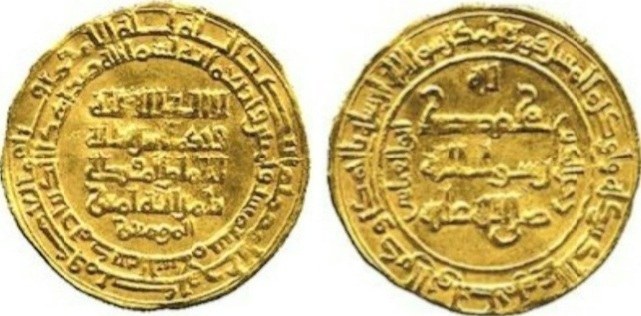
Begin with the overall design. This is a purely inscriptional coin: both faces are filled with Arabic calligraphy — a central legend ringed by one or more marginal bands — inside an ornamental border, with no figure or symbol anywhere. That aniconic, all-text layout confirms you are looking at a classic Islamic dinar rather than a figural Byzantine or European gold coin. If you see any portrait or animal, it is not this type.
Attribution rests on reading the legends. The caliph's regnal name and titles appear in the central field, so identifying al-Muqtadi means finding his name (al-Muqtadi bi-Amr Allah) among the field inscriptions. Because coins of this Seljuk-dominated period frequently also name the reigning sultan, be careful to separate the caliph's name from that of the temporal overlord — both can appear on the same coin. The marginal bands carry the mint city, the Hijri date, and Quranic phrases; reading the mint and year is essential for a precise attribution.
Check size, metal and weight. A genuine dinar of this era is gold, hand-struck, generally near 4 grams and roughly 20–23 mm across, though later Abbasid pieces are often broad, thin, and slightly irregular in outline. Gold does not rust or tarnish, so heavy corrosion, a pale base-metal color, or any magnetic response is a warning sign. Weight far below the dinar standard also points away from an authentic coin.
Know the look-alikes. Contemporary silver dirhams share the same calligraphic style but are a different metal and denomination. Dinars of other Abbasid caliphs, and of Seljuk and other dynasties of the same period, use a very similar aniconic format, so never assume a text-only gold coin is al-Muqtadi's without reading the name. Off-center strikes are common and mean part of the intended legend runs off the flan, which can make attribution harder rather than indicating a fault.
Apply careful authentication. Gold dinars are valuable and are widely reproduced, including cast copies and modern replicas. Genuine coins are struck, showing crisp lettering and correct weight and diameter; casts betray soft detail, seams, or surface bubbles. Because the legends are technical and a sultan's name may be involved, have any candidate examined by a specialist in Islamic coinage, weigh and measure it, photograph both faces clearly, and favor examples with documented provenance.
Frequently asked questions
How do I confirm the coin is al-Muqtadi's and not another caliph's?
Read the central field legend for the caliph's name and titles — al-Muqtadi bi-Amr Allah. Many Abbasid dinars look alike, so the ruler's name in the inscription, along with the mint and date in the margins, is the definitive identifier.
Why might there be two rulers' names on one coin?
During al-Muqtadi's reign the Seljuk sultans held political power while the caliph held religious authority. Coins of the period often name both the Abbasid caliph and the reigning Seljuk sultan, so expect to distinguish the two names.
What size and weight should a genuine dinar be?
Roughly 4 grams of gold and about 20–23 mm across on a hand-struck flan, often broad and thin for this later period. A large deviation in weight, a base-metal look, or any magnetism is a red flag for a fake or non-gold copy.
How do I avoid buying a counterfeit?
Gold dinars are frequently forged. Look for sharp struck detail rather than the soft look, seams, or bubbles of a cast copy, and check weight and diameter. Given the value and technical legends, get a specialist opinion and prefer coins with clear provenance.