
How to Identify a German States Thaler
An overview of the large silver thaler coins struck by the many independent German states, explaining how portrait and heraldic designs, rulers' titles, and mint initials help pinpoint which state issued a given coin.
Read the full German States Thaler encyclopedia entry →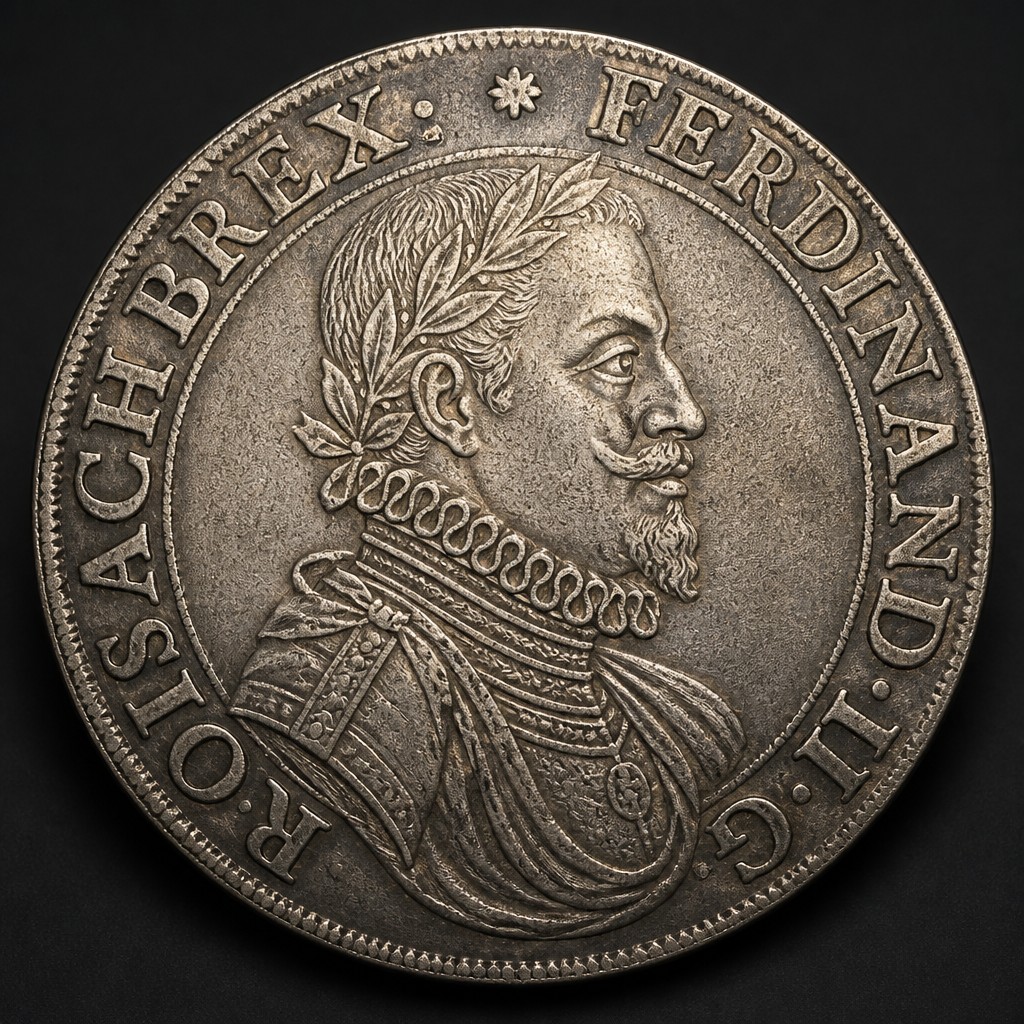
What This Coin Is
Before German unification in 1871, the region was divided into dozens of independent kingdoms, duchies, and free cities, many of which struck their own large silver thaler coins from the 16th through 19th centuries. The thaler was the ancestor of the word "dollar," and its consistent large-format silver standard made it a trusted regional currency.
Obverse Design
Most thalers show either a portrait of the ruling prince, duke, or king in profile, wearing period dress or armor, or a detailed coat of arms representing the issuing state. The surrounding legend gives the ruler's name and titles in Latin.
Reverse Design
The reverse commonly shows the state's coat of arms in more elaborate form, sometimes combined with religious mottos, commemorative text for a specific event, or the denomination spelled out.
Size, Weight, Metal, and Edge
A typical thaler is a large silver coin weighing roughly 28–33 grams, about 40mm in diameter, usually .750 to .900 fine silver depending on the state and period. The edge is often reeded or lettered on later issues, while earlier hand-struck examples have plain or irregular edges.
Mint Marks and Where to Find Them
Look for a small mint initial near the date, along with mintmaster initials, often tucked into the design near the rim or below the main image. Because so many different states and mints were active, these initials are key to narrowing down exactly where a coin was produced.
Telling It Apart From Similar Coins
With dozens of German states each striking their own designs, identification depends heavily on reading the full legend for the ruler's name and state title (such as a specific duchy or free city) rather than relying on the general "portrait plus coat of arms" format, which repeats across many different issuers. Thalers are also easily confused with the Austrian Maria Theresa thaler and other neighboring large-silver-coin traditions, which share a similar size and weight standard but carry distinct imagery.
Judging Condition
Because thalers have a large, high-relief design on a wide flan, look for wear on the ruler's facial features or the fine details of the coat of arms, along with rim dings and adjustment marks that are common on large hand-struck silver coins.
Authenticity Red Flags
Watch for base-metal fantasy pieces that mimic the general thaler style but do not correspond to any genuine historical ruler or state, as well as later official or unofficial restrikes that were produced from original dies well after the coin's stated date. Cast copies typically show soft detail and a visible seam around the edge.
Frequently asked questions
What does 'thaler' mean and where does the word come from?
Thaler is the origin of the English word 'dollar,' named after silver mined near Joachimsthal in Bohemia, and it became the standard name for large silver trade coins across German-speaking Europe.
How many different German states issued thalers?
Dozens of independent kingdoms, duchies, and free cities each struck their own thalers before German unification in 1871, resulting in a huge variety of designs.
How do I identify which state issued my thaler?
Read the full legend for the ruler's name and title or the state's name, and compare the coat of arms design, since these details pinpoint the specific issuing state.
What metal and weight should a genuine thaler have?
Most thalers are silver, weighing roughly 28-33 grams at about 40mm in diameter, though exact fineness varies by state and time period.