
How to Identify the French Franc Germinal
The foundational French silver franc standard established in 1803, defining the weight and fineness used for French coinage for over a century afterward.
Read the full French Franc Germinal encyclopedia entry →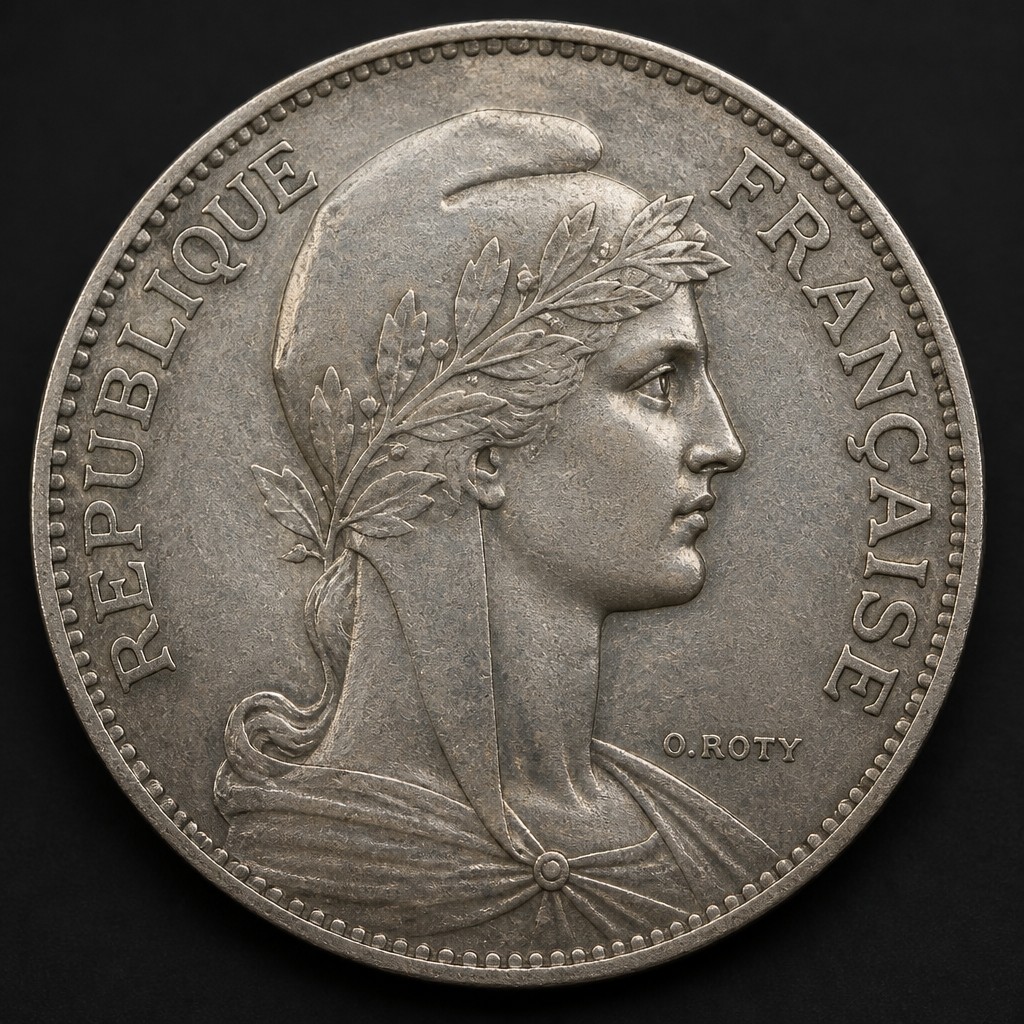
What It Is
The "franc germinal" refers to the monetary standard set by the French law of 7 Germinal, Year XI (March 1803), under Napoleon's government, which fixed the silver franc at a specific weight and fineness. This standard underpinned French silver coinage, including 1, 2, 5-franc, and related denominations, for more than a hundred years, well into the Third Republic.
Obverse Design
Design varied by era and denomination but generally featured either the reigning ruler's portrait (Napoleon as First Consul or Emperor, later kings such as Louis XVIII, Charles X, or Louis-Philippe), or, under the Republic periods, an allegorical female figure representing Liberty or the Republic, often seated or as a standing "Genius" figure, with the legend "REPUBLIQUE FRANCAISE."
Reverse Design
The reverse typically shows the denomination within or beneath a wreath of oak and olive branches, along with the date and, on republican issues, the motto "LIBERTE EGALITE FRATERNITE."
Size, Weight, and Metal
The germinal franc standard fixed the silver franc at .900 fine silver with 5 grams of total weight per franc, meaning a 5-franc coin weighs 25 grams, a 2-franc coin 10 grams, and so on proportionally, with sizes scaling accordingly across denominations.
Mint Marks and Where to Find Them
French coins of this standard carry a mint mark letter (most often "A" for Paris) plus a small mint director's privy mark, typically found on the reverse near the date or at the base of the design.
Telling It Apart from Similar Coins
Because the germinal standard was used across many decades and multiple political regimes, coins can look quite different depending on the ruler or Republic era shown, even though the underlying weight and fineness stay consistent. Compare the portrait or allegorical figure and legend wording to identify the specific historical period, and check the date range against the ruler depicted.
Judging Condition at a Glance
Examine the finest details, such as hair curls on a portrait or drapery folds on an allegorical figure, along with the wreath leaves on the reverse, for wear. Strong, unworn details throughout suggest higher condition, while smoothed, flat high points indicate significant circulation.
Authenticity Red Flags
Given the long production run and many varieties, verify that weight matches the germinal standard proportional to the coin's stated denomination; underweight or overweight pieces, soft or mushy design details, or an edge lacking the correct lettering or reeding for the type are signs of a counterfeit or altered coin.
Frequently asked questions
What does 'germinal' mean on a French coin?
It refers to the monetary law of 7 Germinal, Year XI (1803), which set the silver weight and fineness standard used for French franc coinage for over a century, not a word printed on the coin itself.
What is the silver purity of germinal franc coins?
They were struck in .900 fine silver, with the total weight scaling to 5 grams per franc of denomination.
Why do germinal franc coins show different portraits?
The standard remained constant across many political changes in France, so coins from different reigns or Republic periods show different rulers or allegorical figures while keeping the same weight and fineness.
How much does a 5-franc germinal coin weigh?
A 5-franc coin under this standard weighs 25 grams in .900 fine silver.