How to Identify the France 50 Cent Euro
A collector's guide to recognizing France's 50 euro cent by its Sower design, RF legend, gold colour, size and mint marks.
Read the full France 50 Cent Euro encyclopedia entry →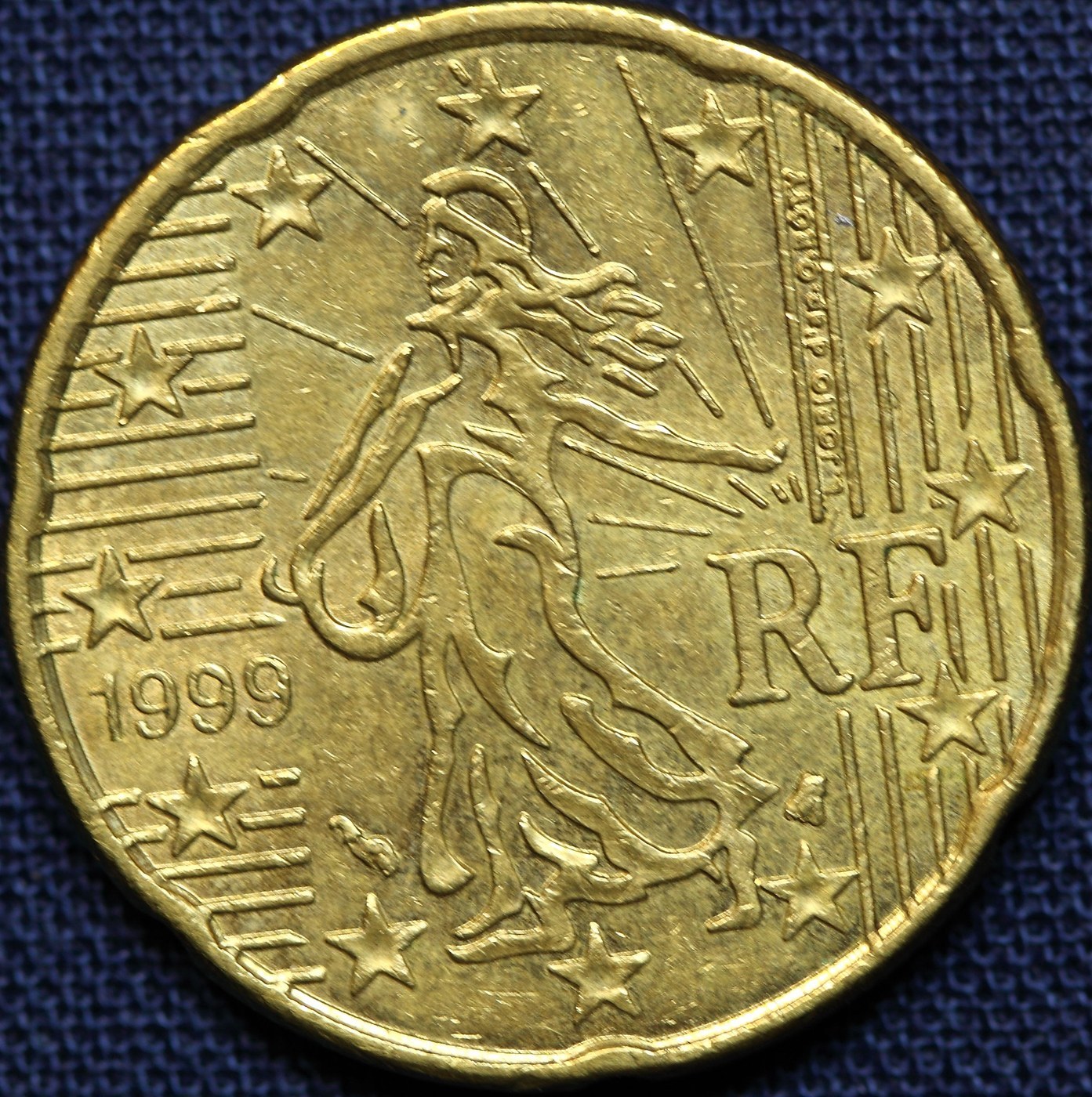
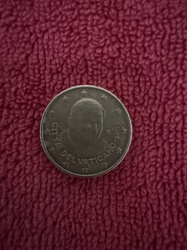
Begin with the national side, because the value side is shared by every eurozone country and cannot identify France on its own. A French 50 cent shows the Sower — a striding female figure sowing seed against a rising sun, the allegory of France in the Marianne tradition — encircled by the twelve EU stars. Look for the initials RF (République Française) and the year in the field. Those two features together confirm both the country and the type.
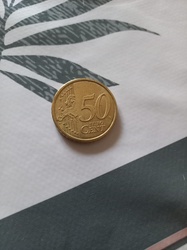
Read the common side to confirm the denomination. You should see the large numeral 50 with the words EURO CENT, a stylised map of Europe and the twelve stars, with fine lines running between the stars. If the value reads anything other than 50 EURO CENT, you have a different denomination even if the national side looks the same, since France uses the Sower on the 10 and 20 cent coins as well.
Check colour, size and metal together. The 50 cent is gold-coloured, struck in the brass-like Nordic gold alloy, about 24 mm across and near 7.8 g — the largest of the three gold-coloured cent coins. Its warm gold tone separates it from the small reddish 1, 2 and 5 cent coins and from the silver-and-gold two-tone 1 and 2 euro coins. A gold-coloured coin smaller than this is likely the 10 or 20 cent.
Look for the French mint marks. French euro coins carry two small privy marks in the field of the national side: the cornucopia (horn of plenty) of the Monnaie de Paris and a differing mark for the mint's chief engraver. Their presence, alongside RF and the Sower, is a good confirmation that the coin was struck for France rather than being a similar design from elsewhere.
Finally, weigh authenticity against grade. As a modern, low-value circulating coin the 50 cent is rarely counterfeited, so most attention goes to condition rather than fakes: watch for wear that flattens the Sower, edge knocks, and dulling or spotting of the gold surface. For a scarcer early date or an uncirculated example, compare against reference images of a confirmed French 50 cent of the same year rather than judging by a quick glance.
Frequently asked questions
What is the single easiest way to identify this coin?
Look at the national side for the striding Sower with the letters RF and the year, then confirm the value 50 EURO CENT on the common side. Those together identify the French 50 cent.
How do I tell the 50 cent from the French 10 and 20 cent?
All three share the Sower design and gold colour, so read the value. The 50 cent is the largest at about 24 mm and reads 50 EURO CENT; the 10 and 20 cent are smaller and read accordingly.
What do the small symbols on the French side mean?
They are mint privy marks: a cornucopia for the Monnaie de Paris and a differing mark for the mint engraver. They confirm the coin was struck for France.
Could this be a 50 cent from another euro country?
The value side is identical across the eurozone, so check the national side. Only the French issue shows the Sower with RF; other nations use their own designs.
France 50 Cent Euro identified by the community
Recent France 50 Cent Euro coins identified with Coin Identifier.