How to Identify the Florin (Two Shillings)
A visual guide to identifying the British Florin, a two-shilling silver or cupro-nickel coin known for its cross-of-shields or Britannia reverse designs.
Read the full Florin (Two Shillings) encyclopedia entry →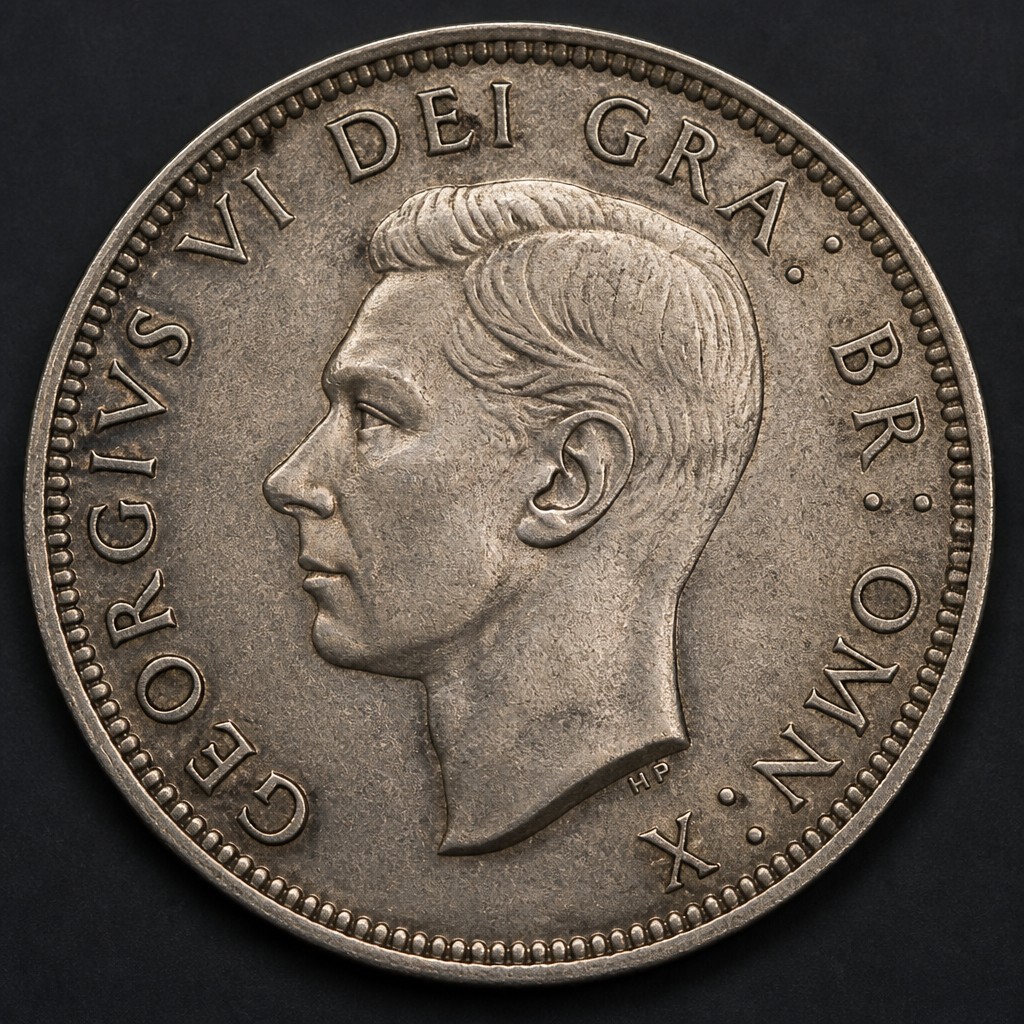
What It Is
The Florin, valued at two shillings, was introduced in 1849 as Britain's first step toward a decimal-style coinage, since it represented exactly one-tenth of a pound. It remained in production until 1967 and stayed legal tender after decimalisation because its value equaled ten new pence, only being withdrawn much later. Over more than a century of production the florin passed through several distinct design eras, including the original 1849 "Gothic" style, later Victorian and Edwardian reworkings, and the 1937 Britannia-standing redesign, giving the series considerable visual variety for a single denomination.
Obverse Design and Inscriptions
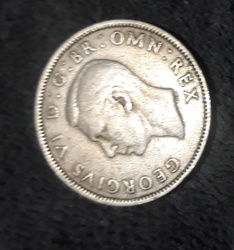
The obverse shows the profile portrait of the reigning monarch with the Latin royal title around the edge. Early Victorian "Godless" florins famously omitted "DEI GRATIA" from the legend, a detail collectors specifically look for, while later Victorian "Gothic" florins used ornate blackletter-style lettering and a crowned, veiled portrait.
Reverse Design and Inscriptions
Reverse designs changed markedly across the series. Early florins show four crowned shields arranged in a cross around a central rose, thistle, and shamrock motif. Gothic florins display an elaborate cruciform shield design with the date in Roman numerals worked into the pattern. From 1937 the reverse switched to a standing figure of Britannia with a shield and trident; later Elizabeth II florins used a design combining a rose with thistle, shamrock, and leek within a crowned emblem.
Size, Weight, Metal, and Edge
The florin measures about 28.3 mm in diameter and weighs approximately 11.3 grams. Composition follows the same pattern as other silver-era British coins: 92.5% silver before 1920, 50% silver from 1920 to 1946, and cupro-nickel from 1947 onward. The edge is reeded.
Mint Marks and Where to Find Them
Standard Royal Mint florins struck in London carry no mint mark. If a small mint letter appears near the date, compare it against known colonial or special-issue references, as it may indicate a coin struck for use outside Britain.
Telling It Apart From Similar Coins
Florins are frequently mistaken for shillings or half crowns. The florin's diameter (28.3 mm) falls between the shilling (23.6 mm) and half crown (32 mm), and the "TWO SHILLINGS" or equivalent design cues on the reverse help confirm the denomination. The Roman numeral date on Gothic florins is a distinctive giveaway of that specific sub-type.
Judging Condition at a Glance
Check the highest points of the portrait's hair or veil and the fine cross-hatching within the shields for wear. On Britannia-reverse florins, the folds of drapery and the lion at her feet wear down quickly and are a fast way to gauge circulation wear.
Authenticity Red Flags
Watch for coins where the legend lettering looks uneven or modern in style compared to the monarch's actual issue period, or where the metal color does not match the claimed composition and date (for example, a coin dated 1910 that looks bright white like cupro-nickel rather than silver-toned). Also be wary of a Gothic-style florin paired with a date outside its known Victorian issue years, since this mismatch is a common sign of an altered or misattributed coin.
Frequently asked questions
What is a Godless florin?
It refers to early Victorian florins (1849-1851) that mistakenly omitted 'DEI GRATIA' (by the grace of God) from the obverse legend, a well-known variety among collectors.
How much is a florin worth in old money?
A florin was worth two shillings, or one-tenth of a pound, which is why it later equaled exactly ten new pence after decimalisation.
What is a Gothic florin?
It is the ornate Victorian florin design using blackletter-style lettering and a cruciform shield reverse with the date written in Roman numerals.
Is a florin silver?
Florins dated 1946 and earlier contain silver (92.5% before 1920, 50% from 1920-1946); those from 1947 onward are cupro-nickel.
Florin (Two Shillings) identified by the community
Recent Florin (Two Shillings) coins identified with Coin Identifier.