
How to Identify the Fiji Silver Taku
A practical guide to spotting the Fiji Taku silver coin's turtle reverse, Fijian obverse elements, and standard one-ounce bullion specifications.
Read the full Fiji Silver Taku encyclopedia entry →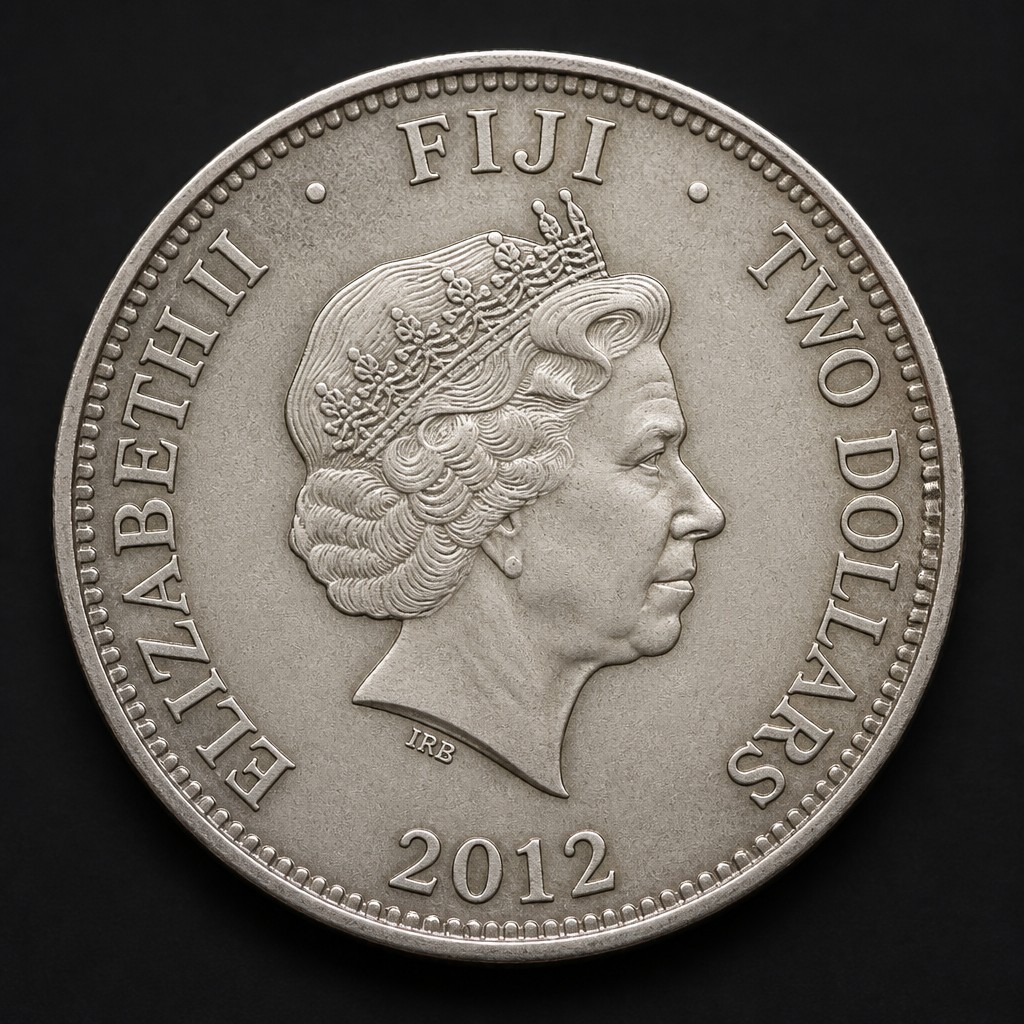
What This Coin Is
The Fiji Silver Taku is a bullion coin issued as legal tender of the Republic of Fiji, produced through arrangements with a commercial mint. "Taku" is a Fijian term historically associated with whale tooth currency (tabua), and the coin borrows this cultural name for its modern silver issue, which centers on a hawksbill or green turtle design tied to Fijian marine heritage.
Obverse Design
The obverse typically carries the reigning British monarch's effigy, since Fiji's coinage tradition historically referenced the monarch, or in some releases a Fijian-themed design with the country name and denomination. The legend includes "FIJI" and the face value, commonly expressed in Fijian dollars.
Reverse Design
The reverse is dominated by a detailed sea turtle, usually shown swimming with flippers extended, rendered in a naturalistic style with textured shell scoring. The word "TAKU" appears prominently, along with the year of issue and the fineness and weight statement.
Size, Weight, and Metal
The standard coin is one troy ounce of .999 fine silver, approximately 38.6mm in diameter, with a reeded edge typical of modern bullion strikes. Some releases have also appeared in gold or smaller silver fractional sizes.
Mint Marks and Inscriptions
Look for the "1 OZ FINE SILVER 999" or equivalent fineness inscription along the reverse rim near the turtle design, plus the date of issue. As a contract-struck coin, there is generally no separate national mint mark, so the design elements and inscriptions are the primary identifiers.
Telling It Apart From Similar Coins
The Fiji Taku's turtle motif can be confused with other marine-themed bullion coins, such as Tokelau's sea life series or various "Pacific Islands" turtle rounds from private mints. The word "TAKU" and "FIJI" in the legend are the clearest way to confirm origin; the exact turtle pose and shell texture also differ from other national turtle designs.
Judging Condition at a Glance
Well-preserved bullion examples show a bright, lustrous surface with sharp definition in the turtle's shell segments and flippers. Common condition issues include scattered light bag marks from mint handling, mild toning from long-term storage, and occasionally a slightly weak strike on the turtle's head if the coin was struck quickly for bulk bullion release.
Authenticity Red Flags
Check the coin's weight and diameter against the one-ounce standard, since underweight or oversized copies suggest a counterfeit or generic silver round misrepresented as a genuine Fiji issue. Fuzzy or shallow detail in the turtle's shell pattern, incorrect or missing "TAKU" lettering, and a dull gray finish instead of bright silver luster are signs of a fake or base-metal substitute.
Frequently asked questions
What does 'Taku' mean on this coin?
Taku references a traditional Fijian term connected to historic whale-tooth currency, used here as the name for the modern silver bullion series.
What animal is featured on the reverse?
A sea turtle, typically shown swimming, reflecting Fiji's marine and cultural heritage.
What is the silver purity and weight?
Standard issues are one troy ounce of .999 fine silver, consistent with typical world bullion coins.
Is this coin legal tender?
Yes, it is issued as legal tender of Fiji, though it is bought and sold primarily for its silver bullion value rather than for circulation.
How do I distinguish it from other turtle-themed bullion coins?
Confirm the "FIJI" and "TAKU" inscriptions on the coin, since other nations and private mints have issued similar turtle designs under different names.