
How to Identify the English Crown
A large silver (and later cupro-nickel) English denomination worth five shillings, generally identified by a monarch's portrait on the obverse and a shield or equestrian design on the reverse.
Read the full English Crown encyclopedia entry →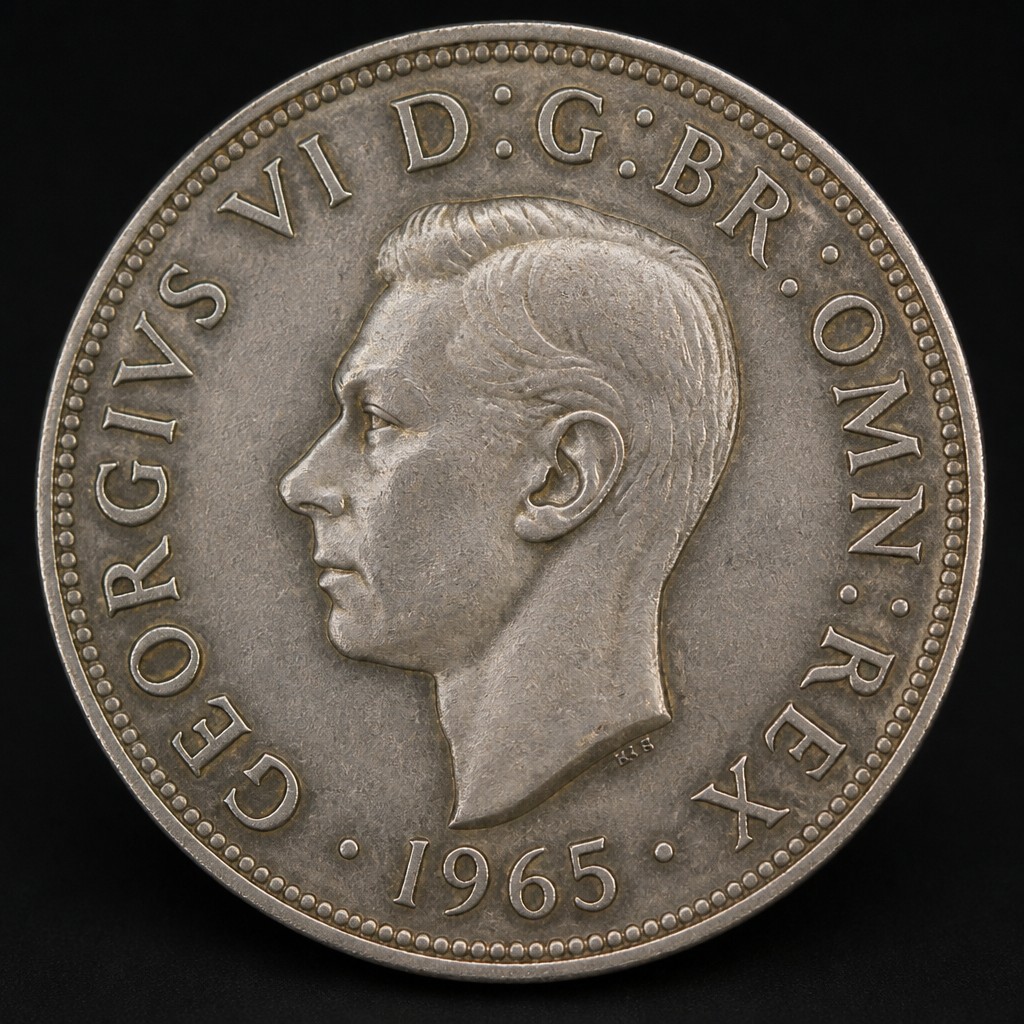
What It Is
The Crown was a substantial English silver coin valued at five shillings, first introduced under Henry VIII and continued in various forms for centuries afterward through many different monarchs, eventually surviving into the modern British coinage system as a commemorative denomination.
Obverse Design
Most Crowns show a portrait bust of the reigning monarch facing left or right, accompanied by a Latin (or later English) legend giving the ruler's name and titles. Earlier crowns sometimes show the monarch mounted on horseback rather than a simple bust, particularly in Stuart-era issues.
Reverse Design
Reverse designs vary significantly by period: many show a shield bearing the royal arms, sometimes crowned and flanked by decorative elements, while some later issues (notably the famous "Gothic" crown of Victoria and various commemorative crowns) show elaborate cruciform shields or allegorical scenes instead. The denomination is not always spelled out numerically, so overall size and weight are often the fastest clue to identifying a coin as a crown.
Size, Weight, and Metal
Historically struck in sterling silver (.925 fine), the Crown is a large coin, typically 38-39mm in diameter and weighing around 28.3 grams in most silver-era issues. Later 20th-century crowns transitioned to cupro-nickel with the same general size, and commemorative modern crowns (five-pound coins) continue the tradition in reduced silver content or base metal.
Mint Marks
Crowns struck at the Royal Mint in London generally carry no separate mint mark, though some colonial or special commemorative issues include a small mint mark or privy mark; the primary identification tool remains the monarch's name and portrait style in the legend.
Telling It Apart From Similar Coins
Because the Crown shares a similar large-silver-coin format with other English and European denominations (such as the halfcrown, which is smaller, or foreign talers and thalers of similar size), the key identifiers are the specific monarch's name, the correct weight and diameter for a genuine crown, and the denomination-appropriate reverse design for that era.
Judging Condition at a Glance
Look for sharp detail in the monarch's hair, facial features, and any fine engraving in the shield or equestrian design for higher grades. Because crowns are large, high-relief coins, they often show wear first on the highest points of the portrait, such as the cheek or brow, while the legend around the rim tends to remain legible longer.
Authenticity Red Flags
Given the crown's substantial silver content historically, both period counterfeits (often in base metal with a thin silver wash) and modern replicas exist. Check the weight and diameter against known standards for the specific monarch and issue, and be cautious of coins that feel unusually light for their size, which can indicate a plated fake rather than a genuine solid-silver crown.
Frequently asked questions
How much was an English Crown worth?
It was valued at five shillings, making it one of the larger denomination silver coins in the historical English currency system.
How can I recognize a Crown just by size?
It is a notably large coin, typically 38-39mm across and around 28.3 grams in its silver-era form, larger than a halfcrown or shilling.
What reverse designs appear on English Crowns?
Designs vary by period and include crowned shields, cruciform arms, and in some eras a mounted equestrian figure of the monarch.
Did Crowns stay silver throughout their history?
No, later 20th-century crowns shifted to cupro-nickel, and modern commemorative crowns are typically base metal or reduced-silver-content collector issues.