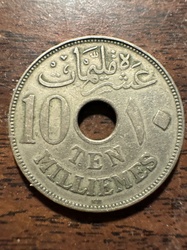
How to Identify the Egyptian 10 Piastres (silver)
A mid-sized silver coin from Egypt's monarchy period, identifiable by the ruling king's portrait, Arabic denomination, and dual-calendar dating.
Read the full Egyptian 10 Piastres (silver) encyclopedia entry →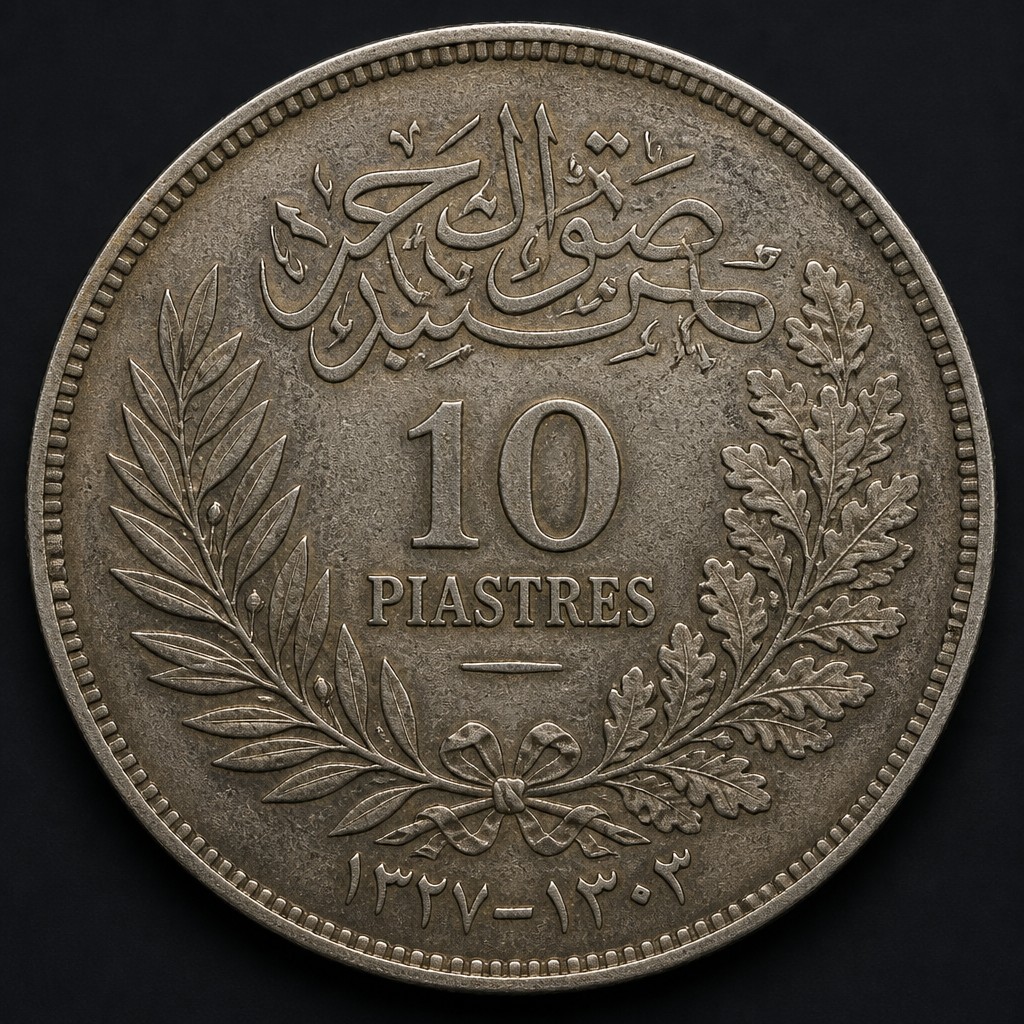
What Is the Egyptian 10 Piastres?
This silver coin was part of the regular circulating coinage of the Kingdom of Egypt during the reigns of Fuad I and Farouk in the first half of the 20th century, sitting between the smaller 5 piastres and the larger 20 piastres in the era's denomination range. As a mid-value silver piece, it saw heavy everyday use in commerce, so surviving examples span the full range from heavily worn circulated coins to carefully preserved pieces that saw little handling.
Obverse Design
The obverse carries a profile portrait of the reigning king, with his name and title inscribed in Arabic script around the rim. The specific facial features and any collar detail help identify which king's reign the coin belongs to.
Reverse Design
The reverse shows the numeral "10" alongside the Arabic word for piastres, generally set within a decorative wreath or scroll border, with the date given in both the Gregorian and Islamic Hijri calendars. The wreath framing follows a design convention shared across the era's silver denominations, so the numeral itself is the fastest way to confirm face value at a glance.
Size, Weight, and Metal
The 10 piastres was struck in silver at a fineness typical of Egyptian subsidiary coinage of the period, larger and heavier than the 5 piastres but smaller than the 20 piastres, making relative size a useful quick check when the denomination isn't immediately legible. Handling a full run of the era's silver piastre denominations side by side makes this size progression easy to feel even without a scale.
Mint Marks
As with other Egyptian coinage of this era, there is generally no separate mint-mark letter; the reigning king's portrait and the date remain the key identifying and dating features.
Telling It Apart from Similar Coins
Line the coin up against the 5 and 20 piastres of the same reign — the 10 piastres sits between them in diameter and weight — but confirm the numeral on the reverse directly rather than judging by size alone, since wear can make similarly sized coins harder to distinguish quickly.
Condition and Grading at a Glance
Look at the king's portrait for smoothing on the cheek and any fine hair or collar detail, and check the wreath and numeral on the reverse for crisp, unworn lines. A coin with strong, high-relief detail throughout indicates lighter circulation wear.
Authenticity Red Flags
Verify the coin's weight and diameter against standard specifications for its date and reign, check that the Arabic lettering is sharply and correctly formed, and be cautious of unusually light coins or ones with a suspiciously uniform, bright surface that doesn't match the expected toning of a decades-old circulated silver coin. A magnet test can also help rule out base-metal fakes, since genuine silver coinage of this type is not magnetic.
Frequently asked questions
How do I tell the 10 piastres apart from the 5 and 20 piastres?
Compare the numeral printed on the reverse directly, and use the coin's relative size and weight as a secondary check since the 10 piastres sits between the other two denominations.
Why are there two dates on the coin?
Egyptian coinage of this period commonly used dual dating, showing both the Gregorian year and the Islamic Hijri year.
What determines which king is shown?
The portrait and the Arabic royal title around the rim identify whether the coin was struck under Fuad I or Farouk.
Is the coin pure silver?
No, it was struck at a subsidiary silver fineness typical of the era's circulating coinage, not fine (.999) silver.
Egyptian 10 Piastres (silver) identified by the community
Recent Egyptian 10 Piastres (silver) coins identified with Coin Identifier.