How to Identify the Ecuador Sucre Silver
A guide to identifying Ecuador's historic silver Sucre coin, named for independence hero Antonio Jose de Sucre, with his portrait obverse and national arms reverse.
Read the full Ecuador Sucre Silver encyclopedia entry →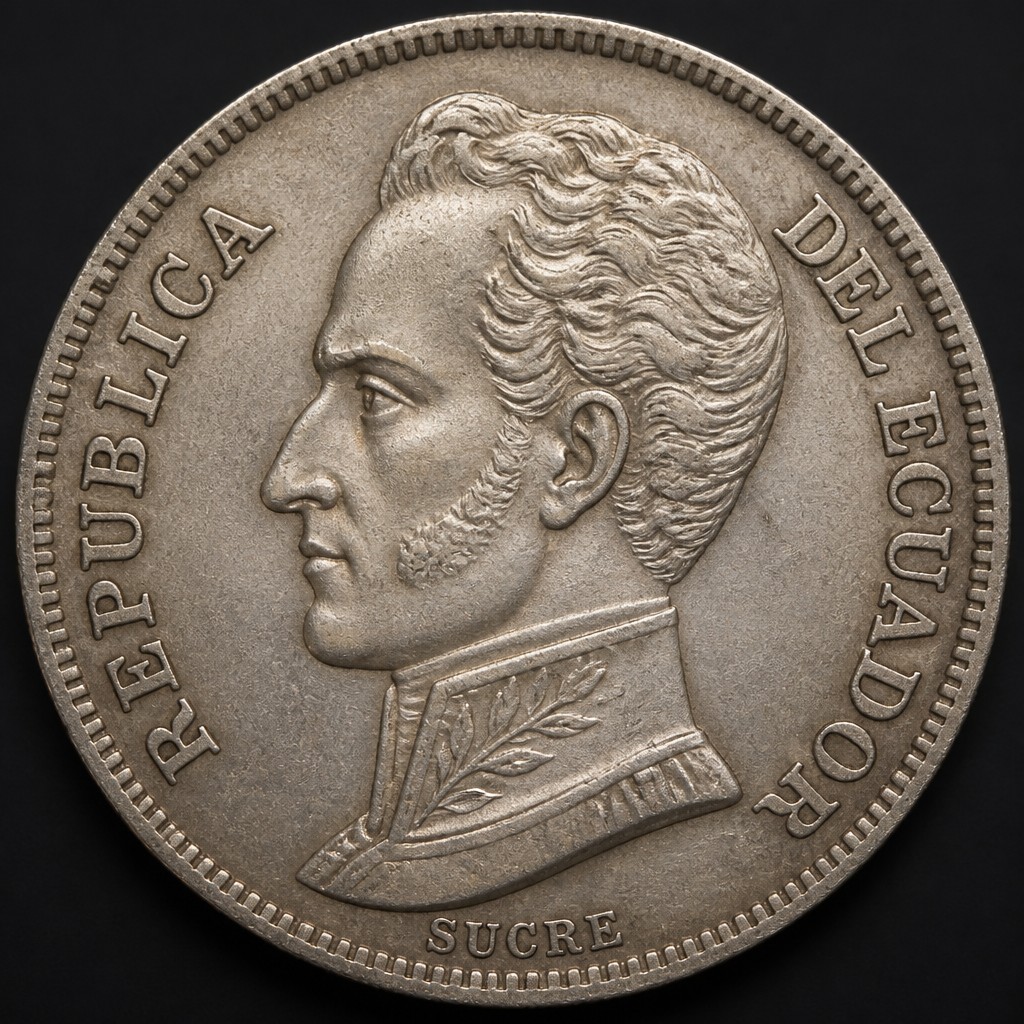
What It Is
The Sucre was Ecuador's national currency unit from the late 19th century until it was eventually replaced, and silver Sucre coins were struck in various denominations and weights from the 1880s through the early 20th century. The coin honors Antonio José de Sucre, a key leader in South America's independence wars.
Obverse Design
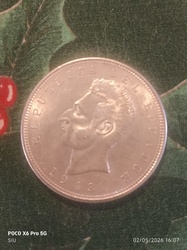
The obverse shows a portrait bust of Sucre in profile, with his name or the word "SUCRE" and the date forming part of the legend around the rim.
Reverse Design
The reverse displays Ecuador's coat of arms, which includes a condor perched above a mountain and a sun, along with the denomination and the country name "REPUBLICA DEL ECUADOR."
Size, Weight, Metal, and Edge
Early issues (from the 1880s) were struck to a relatively high silver standard and weight comparable to other Latin American silver dollars of that time, while later issues (from the 1920s and 1930s) were reduced in both size and fineness as part of broader monetary reforms. Because specifications changed over time, always compare a given coin's actual weight and diameter to the reference figures for its specific date rather than assuming a single standard applies to all Sucre coins.
Mint Marks
Look for small mint identification letters near the base of the bust or beneath the coat of arms; many Sucre coins were struck under contract at foreign mints, so the mark may reflect a mint outside Ecuador rather than a domestic facility.
Telling It Apart From Similar Coins
The Sucre's condor-and-mountain reverse is broadly similar in spirit to other Andean nations' arms (Colombia, Bolivia, Peru all use condors), so the country name spelled out in the legend, along with the portrait of Sucre himself, is the clearest way to confirm the coin's origin.
Judging Condition
Wear appears first on Sucre's cheek and hair and on the condor's breast and wingtips on the reverse. A coin with a sharply defined profile and legible date is in noticeably better condition than one with a smoothed, indistinct portrait.
Authenticity Red Flags
Because weight and fineness varied by era, verify the coin's specifications against the correct reference for its date before drawing conclusions about authenticity. Beyond that, standard warning signs apply: a grainy or pitted surface suggesting casting, mushy or indistinct lettering, incorrect diameter, or a magnetic response are all signs a coin may not be genuine silver.
Frequently asked questions
Who is depicted on the Ecuador Sucre coin?
Antonio José de Sucre, a prominent leader in the South American wars of independence, after whom Ecuador's currency was named.
Why do Sucre coins from different years vary so much in weight?
Ecuador reduced the silver weight and fineness of its coinage in later monetary reforms, so early issues from the 1880s are heavier and finer than issues from the 1920s and 1930s.
What is shown on the reverse?
Ecuador's national coat of arms, featuring a condor above a mountain and sun, along with the denomination and country name.
How do I confirm a coin is genuinely from Ecuador and not a neighboring country?
Check the legend for "REPUBLICA DEL ECUADOR" and Sucre's portrait on the obverse, since several Andean nations use similar condor imagery on their arms.
Ecuador Sucre Silver identified by the community
Recent Ecuador Sucre Silver coins identified with Coin Identifier.