
How to Identify the Dutch Rijksdaalder
A traditional Dutch silver coin whose name and denomination have been used across several centuries, from historic crown-sized silver pieces to modern 2.5 gulden coins.
Read the full Dutch Rijksdaalder encyclopedia entry →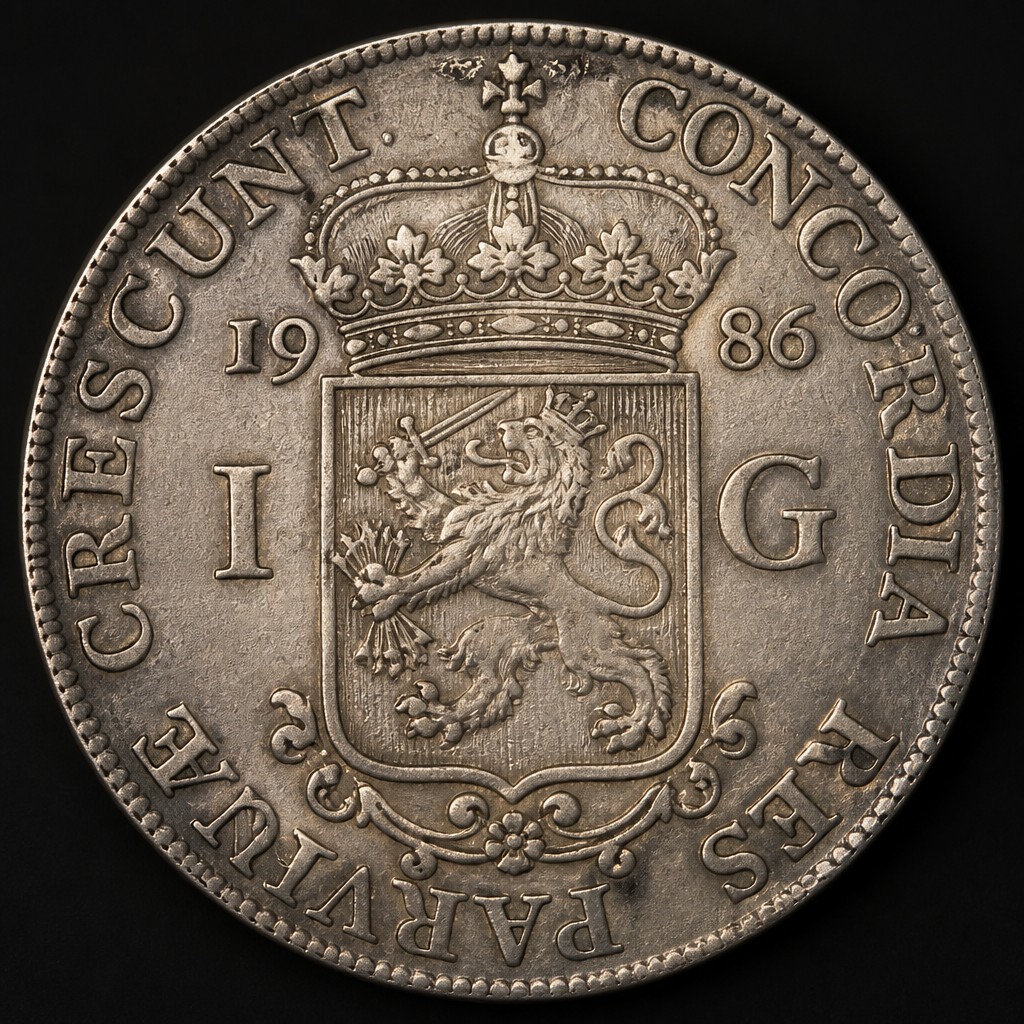
What It Is
"Rijksdaalder" is a long-used Dutch coin name meaning roughly "national daalder," historically referring to a large silver trade coin used across the Netherlands and its colonial territories. In more modern times, the name was informally applied to the 2.5 gulden coin issued by the Kingdom of the Netherlands before decimalization changes and eventual adoption of the euro.
Obverse Design
Older rijksdaalders typically show an armored, standing or seated figure representing a knight or a province's coat of arms, while later royal-era issues show a profile portrait of the reigning Dutch monarch, such as William III, Wilhelmina, Juliana, or Beatrix, with their name and title in the surrounding legend.
Reverse Design
The reverse generally displays the crowned coat of arms of the Netherlands, featuring a lion holding a sword and bundle of arrows, along with the denomination and date. Older historic types instead show a large crowned shield or value expressed in older monetary terms.
Size, Weight, and Metal
Modern rijksdaalder-style 2.5 gulden coins are silver (or later, nickel in nonprecious circulating versions), roughly 31 mm in diameter. Older historic silver rijksdaalders were larger, crown-sized coins in higher silver fineness typical of pre-20th-century European coinage.
Mint Marks and Where to Find Them
Check near the rim or below the main design for a small mint mark, often a symbol representing the Utrecht mint (a caduceus) which has struck Dutch coinage for centuries, alongside the date and sometimes a mint master's privy mark.
Telling It Apart from Similar Coins
Because the rijksdaalder name spans centuries, always check the portrait or design style along with the date to identify which historical period a given coin belongs to. It can be confused with the ordinary gulden coin, which is smaller and carries a different stated value; comparing size and the printed denomination avoids mix-ups.
Judging Condition at a Glance
Look at the monarch's portrait or coat of arms lion for wear on the raised details, and check the rim denticles for flattening. Coins with strong, unworn hair or mane detail and a clear, unblemished field typically grade higher than heavily handled pieces with smooth, shiny high points.
Authenticity Red Flags
Watch for incorrect coloring or a magnetic response inconsistent with the claimed silver content, soft or blurry design details suggesting a cast copy, and mismatched weight or diameter compared to known specifications for the specific date and ruler. Genuine coins show a crisp, well-defined strike throughout the design.
Frequently asked questions
Is a rijksdaalder the same as a gulden?
No, historically the rijksdaalder was a larger denomination than the standard gulden; in modern currency it was informally used for the 2.5 gulden coin, which is worth more and larger than a single gulden.
What portraits appear on Dutch rijksdaalders?
Depending on era, you may see a knight or provincial figure on older issues, or a Dutch monarch such as William III, Wilhelmina, Juliana, or Beatrix on more recent royal-era coins.
Where is the Dutch mint mark located?
Look near the rim or bottom of the design for a small symbol, commonly a caduceus representing the Utrecht mint, along with the date.
Are all rijksdaalders made of silver?
Older and mid-20th-century issues were silver, but later circulating Dutch coins moved to nonprecious metals like nickel before the Netherlands adopted the euro.