
How to Identify the Denarius of Vitellius
A collector's guide to recognizing a silver denarius of Vitellius by its heavy portrait, Latin titles, size, and mint characteristics.
Read the full Denarius of Vitellius encyclopedia entry →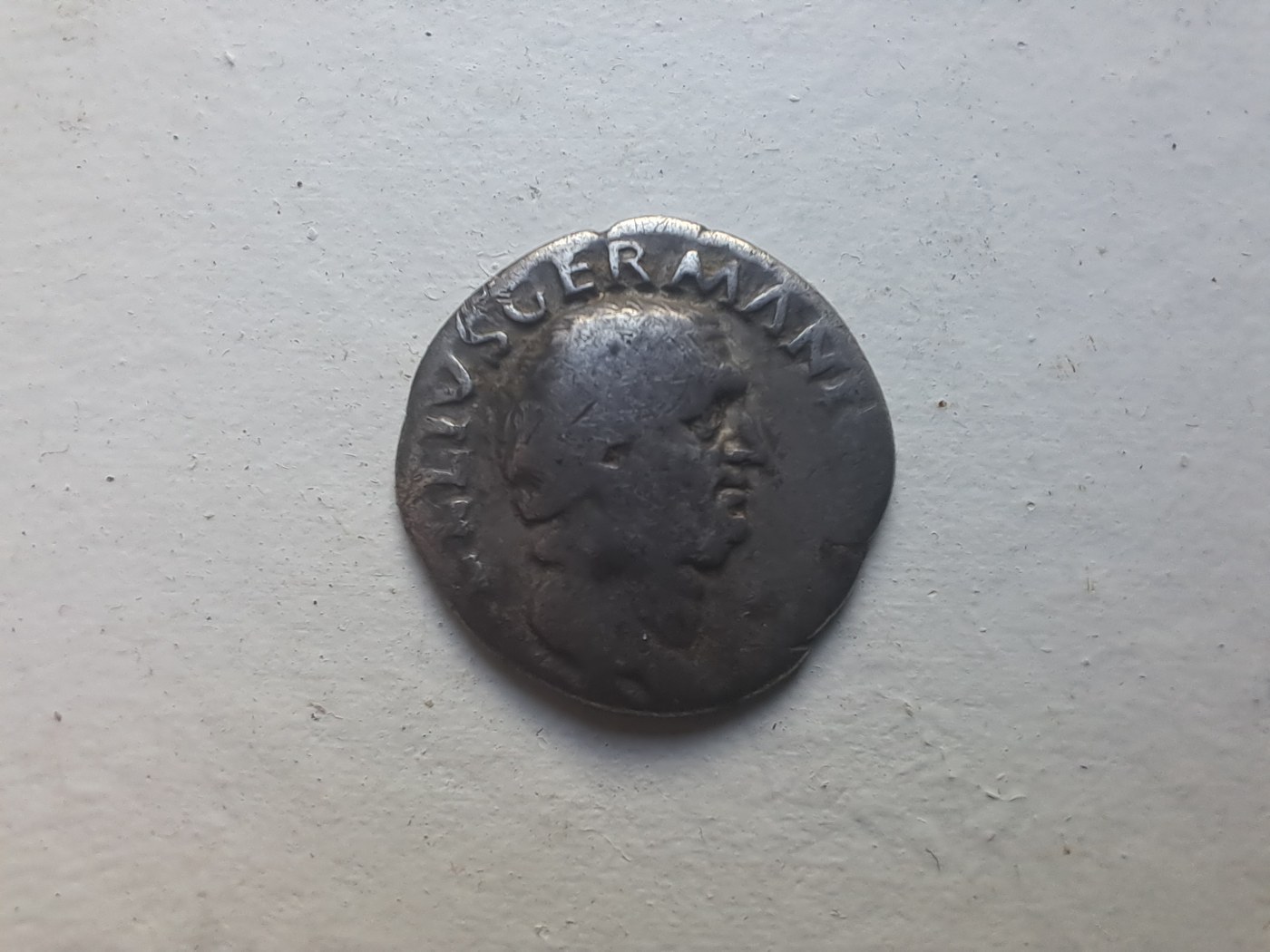
Begin with the portrait, which is the strongest diagnostic on this obverse-focused coin. Vitellius is shown facing right with a distinctly full, fleshy face, heavy jowls, a thick neck, and short curly hair. This heavy-set likeness is unusual among Roman emperors and, once learned, is one of the fastest ways to separate a Vitellius denarius from other first-century portraits at a glance.
Next read the obverse legend. It is abbreviated Latin running around the bust and normally begins with the name A VITELLIVS, followed by imperial titles such as GERM(anicus), IMP(erator), AVG(ustus), and TR P. The exact combination of titles varies by issue and helps pin down the phase of his reign. Confirm the name spelling carefully, since it is the single most decisive text on the coin.
Check the physical specifications. A genuine denarius of this era is a small silver piece, about 17 to 19 mm in diameter and near 3 grams in weight, hand-struck so that shape and centering are irregular. The silver of AD 69 is somewhat debased, so a slightly gray or dull tone is normal and not by itself a sign of a fake. A coin that is too large, too heavy, perfectly round, or seamed at the edge should be treated with suspicion.
To fully attribute the coin, turn it over and read the reverse against a standard reference such as RIC I; the reverse design (deities, a tripod, or dynastic figures) determines the exact type. The reverse is not visible in this obverse-only photograph, so any complete identification must add that side.
Finally, weigh authentication carefully. Because Vitellius is a famous name among the twelve Caesars, his denarii are frequently faked, including cast copies, tooled portraits, and modern struck counterfeits. Look for casting seams, bubbles, unnaturally soft detail, or a portrait that does not match published dies, and favor coins with reputable dealer attribution or auction provenance over unverified pieces.
Frequently asked questions
What is the single best clue that a coin is Vitellius?
The portrait. A right-facing bust with a heavy, fleshy face, thick neck, prominent jowls, and curly hair is highly characteristic of Vitellius, and reading the name A VITELLIVS in the legend confirms it.
What size and weight should a genuine example be?
Expect roughly 17 to 19 mm in diameter and around 3 grams, hand-struck on an irregular silver flan. Coins far outside that range, or that look machine-perfect, warrant caution.
Do I need the reverse to identify it?
For a basic identification the portrait and name legend are enough, but for full attribution to a specific type you must read the reverse against a reference like RIC I. This photograph shows only the obverse.
Are fake Vitellius denarii common?
Yes. As a well-known emperor, Vitellius is often counterfeited through casts, tooling, and modern strikes. Check for seams, bubbles, mushy detail, and off-die portraits, and prefer coins with solid provenance or dealer backing.