
How to Identify the Denarius of Nero
A collector's guide to recognizing a genuine silver denarius of Nero by its laureate portrait, legend, size and weight, reverse type, and the forgery cautions to keep in mind.
Read the full Denarius of Nero encyclopedia entry →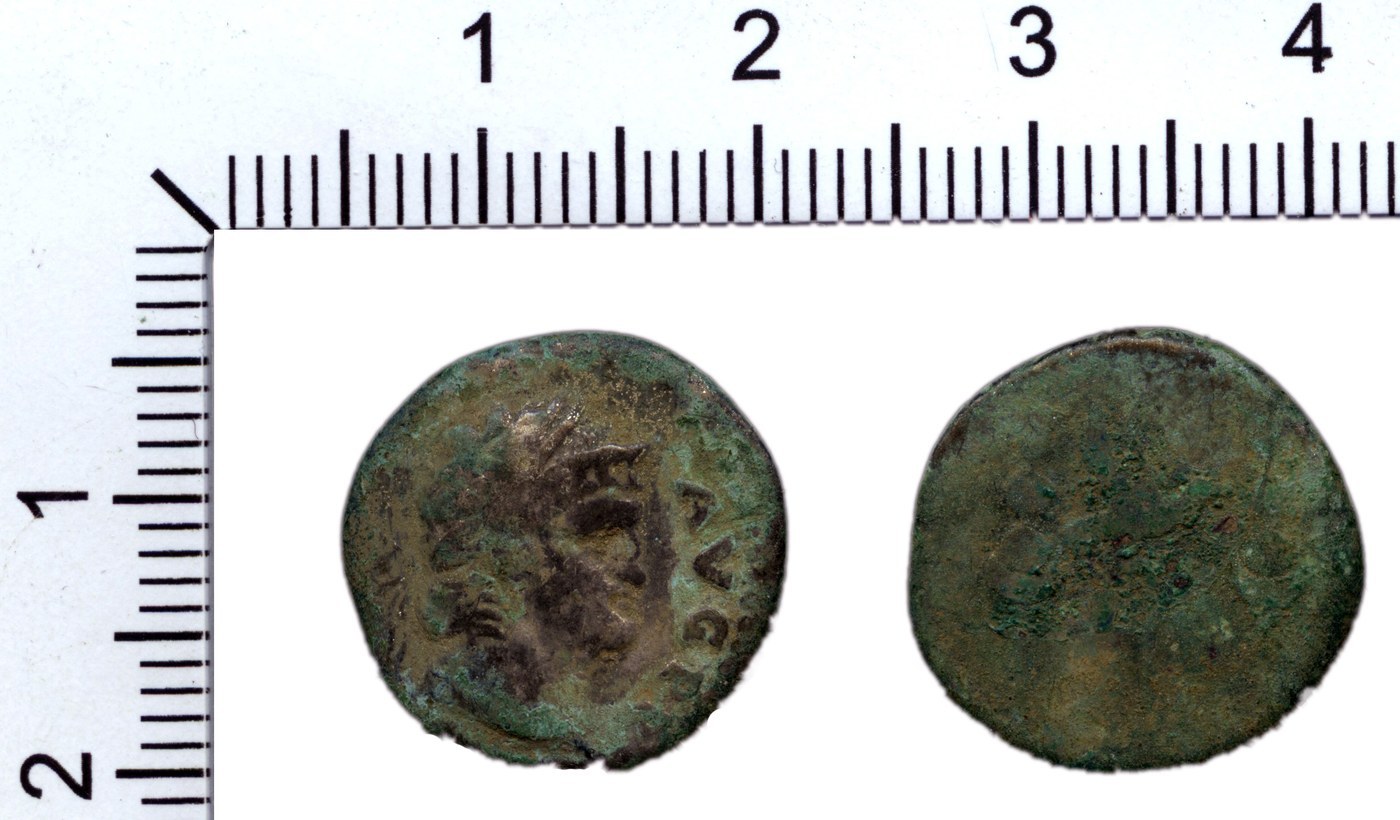
Begin with the portrait and obverse legend together, because they are decisive. A denarius of Nero shows a male head facing right; on this example it is laureate, wearing a laurel wreath rather than a spiked radiate crown, with the heavy jaw, full neck and forward-brushed hair of the mature Nero. Read the letters around the head: the name NERO must be present. Reformed laureate issues usually read NERO CAESAR AVGVSTVS, while earlier types carry longer forms such as NERO CLAVD CAESAR AVG GERM. If the legend names another emperor, it is not a Nero denarius.
Check size, metal and weight, and let them date the coin. A denarius of Nero is a silver disc about 17-19 mm across. Weight matters here: pre-reform examples sit near 3.8-3.9 g, but the post-reform laureate coinage of about AD 64-68 is lighter, around 3.2-3.5 g, and of reduced fineness. A laureate portrait combined with the lighter weight points to the reformed period. The coin should be hand-struck on a slightly irregular flan, non-magnetic, with the soft, even wear of genuine circulation rather than crisp machined surfaces.
Read the reverse and its legend. The illustrated coin shows military standards (signa) — upright legionary standards with a vexillum. Nero used many reverse designs, however, so do not identify by a single expected image; instead note the exact reverse figures and their Latin legend, then pair that with the obverse NERO legend to match the coin to a catalogue such as RIC (Roman Imperial Coinage). Other common Neronian reverses include Jupiter, Roma, Salus, Ceres, Vesta and Virtus.
Mind the mint and the look-alikes. Nero's silver came mainly from Rome, with some early issues linked to Lugdunum (Lyon); there is no small mint mark of the later imperial kind to hunt for, so attribution rests on legend, style and fabric. Beware of confusing Nero with other Julio-Claudian or later emperors whose portraits resemble his — always verify the name in the legend. Nero is also a heavily reproduced emperor: watch for cast copies (edge seams, grainy or bubbly surfaces, mushy lettering), tooled or re-engraved portraits meant to sharpen a worn face, gilded or plated forgeries, and modern souvenir replicas.
For authentication, weigh and measure the coin and compare against published specimens, examine the edge and surfaces under magnification for casting seams or file marks, and study the portrait style and letterforms. Given Nero's fame and the volume of fakes, a coin of real value is best acquired with credible provenance or professional third-party authentication.
Frequently asked questions
How do I tell a Nero denarius from another emperor's?
Read the obverse legend, which must contain the name NERO (for example NERO CAESAR AVGVSTVS), and check the portrait: a right-facing head with Nero's heavy jaw and full neck. A legend naming a different ruler, or a portrait that doesn't match his likeness, points to another emperor.
How big and heavy should a genuine one be?
A denarius of Nero is silver, about 17 to 19 mm across. Pre-reform examples weigh roughly 3.8 to 3.9 grams; post-reform laureate coins of about AD 64 to 68 are lighter, around 3.2 to 3.5 grams. It should be non-magnetic and hand-struck on a slightly irregular flan.
Does a laureate portrait tell me anything about the date?
Yes. Nero's earliest imperial portraits are often bare-headed, while laureate portraits belong mainly to the reformed coinage of roughly AD 64 to 68. A laureate head, especially at the lighter reformed weight, indicates a later issue of the reign.
Why should I be cautious about fakes?
Nero is famous and in constant demand, so his coins are frequently forged. Cast copies with edge seams, tooled portraits, plated fakes, and modern replicas all circulate. Compare weight, diameter and style to verified specimens and buy with provenance or professional authentication before paying a Nero price.