
How to Identify the Denarius of Macrinus
A collector's guide to recognizing a Macrinus denarius by its bearded portrait, legend, reverse type, size, and metal—plus look-alikes and authentication cautions.
Read the full Denarius of Macrinus encyclopedia entry →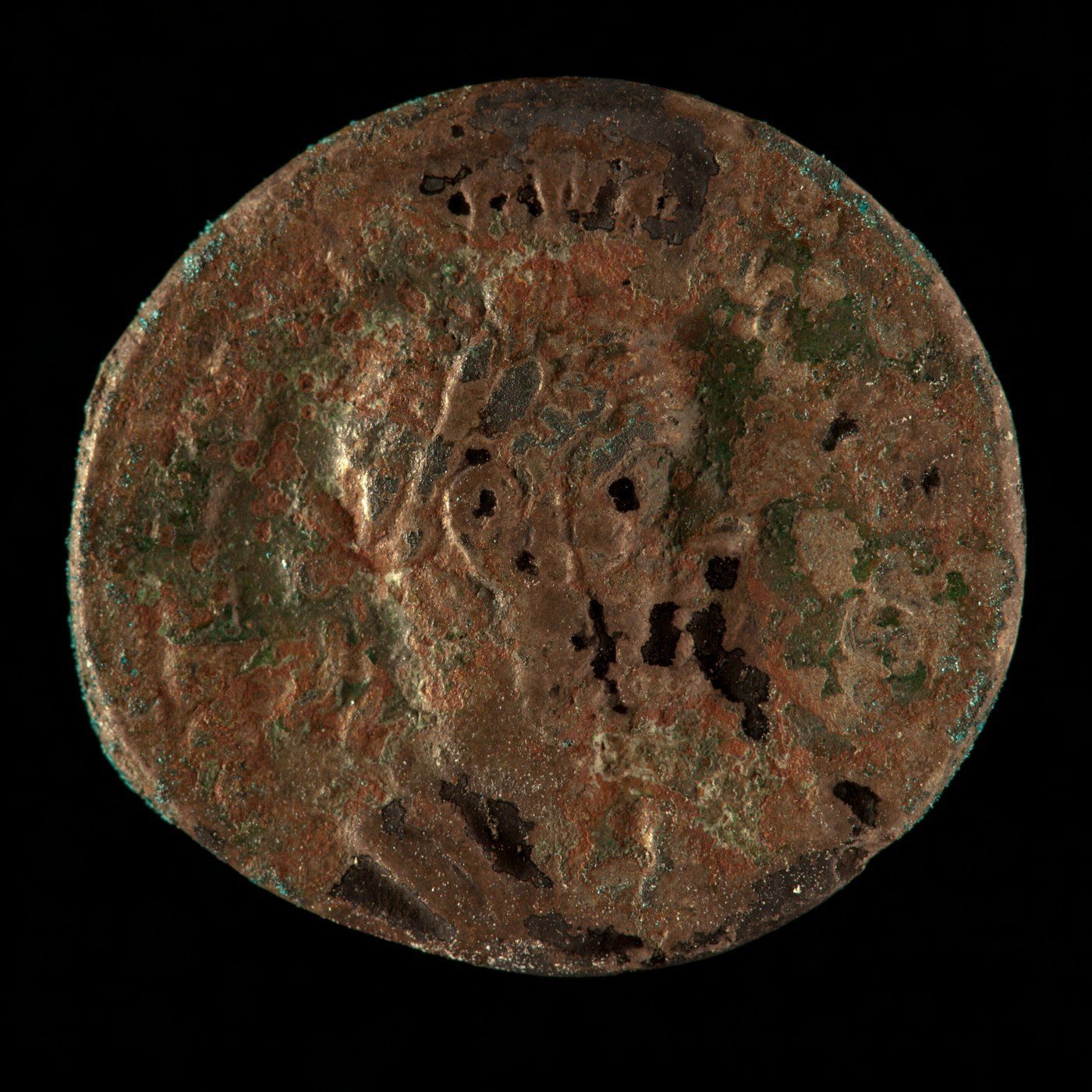
Start with the obverse legend and portrait together. A genuine Macrinus denarius shows a right-facing laureate bust of a mature, bearded man, with an inscription built around the name MACRINVS—commonly IMP C M OPEL SEV MACRINVS AVG or a close variant. Read the letters carefully; the name is the single most reliable identifier, since bearded third-century emperors are otherwise easy to confuse. The beard itself is diagnostic: Macrinus is regularly bearded, and the length helps place the coin early (shorter) or later (longer, fuller) in his 217–218 reign.
Turn to the reverse and identify the standing figure and its legend. Most Macrinus denarii pair a single standing deity or personification—often female, such as Salus, Fides, Securitas, Providentia, Fortuna, or Aequitas—with attributes like a patera, scepter, scales, cornucopia, or a military standard. Note the exact spelling of the reverse legend; it names the type and, combined with the portrait, pins down the specific issue in reference catalogs such as RIC.
Check the physical specifications. A denarius should be silver, roughly 18–20 mm in diameter and about 2.5–3.5 grams. If the coin is noticeably larger, heavier, and the emperor wears a spiked radiate crown instead of a laurel wreath, it is an antoninianus (double denarius), not a denarius—Macrinus struck both. Provincial bronzes and silver tetradrachms of Macrinus also exist and look quite different, usually with Greek legends.
Watch for look-alikes. The youthful, beardless portraits of his son Diadumenian are a common confusion, as are coins of neighboring Severan emperors (Caracalla, Elagabalus, Septimius Severus). The presence of the MACRINVS legend and a bearded adult portrait separates them. Fabric matters too: an authentic piece shows hand-struck relief, slightly irregular flan edges, and toning consistent with debased silver.
Finally, apply authentication caution. Popular short-reign emperors attract modern fakes and tooled or re-engraved coins. Be wary of unusually crisp, seamless surfaces, casting seams or bubbles, off metal or wrong weight, and legends that do not match documented types. When in doubt, compare against catalog references and favor coins with clear provenance or reputable dealer attribution rather than relying on eye appeal alone.
Frequently asked questions
How do I tell a Macrinus denarius from an antoninianus?
The denarius has a laureate (wreathed) bust and is about 18–20 mm; the antoninianus has a radiate, spiked crown and is larger and heavier. Both exist for Macrinus, so check the crown and size.
How can I confirm the emperor is Macrinus and not another bearded ruler?
Read the obverse legend for the name MACRINVS. His bearded adult portrait plus that legend distinguishes him from beardless Diadumenian and from other Severan emperors like Caracalla or Elagabalus.
What should make me suspect a fake?
Warning signs include wrong weight or diameter, casting seams or surface bubbles, unnaturally sharp or glossy fields, and legends that don't match any documented type. Compare to catalog references and seek reputable provenance.
Does the reverse figure help identify the coin?
Yes. The standing deity or personification and its reverse legend define the specific type. Note the attributes it holds and the exact legend spelling to match the coin to a catalog entry.