
How to Identify the Denarius of Lucius Verus
A collector's guide to attributing a Lucius Verus denarius by its legend, portrait, reverse dating, size, and metal, and telling it apart from Marcus Aurelius.
Read the full Denarius of Lucius Verus encyclopedia entry →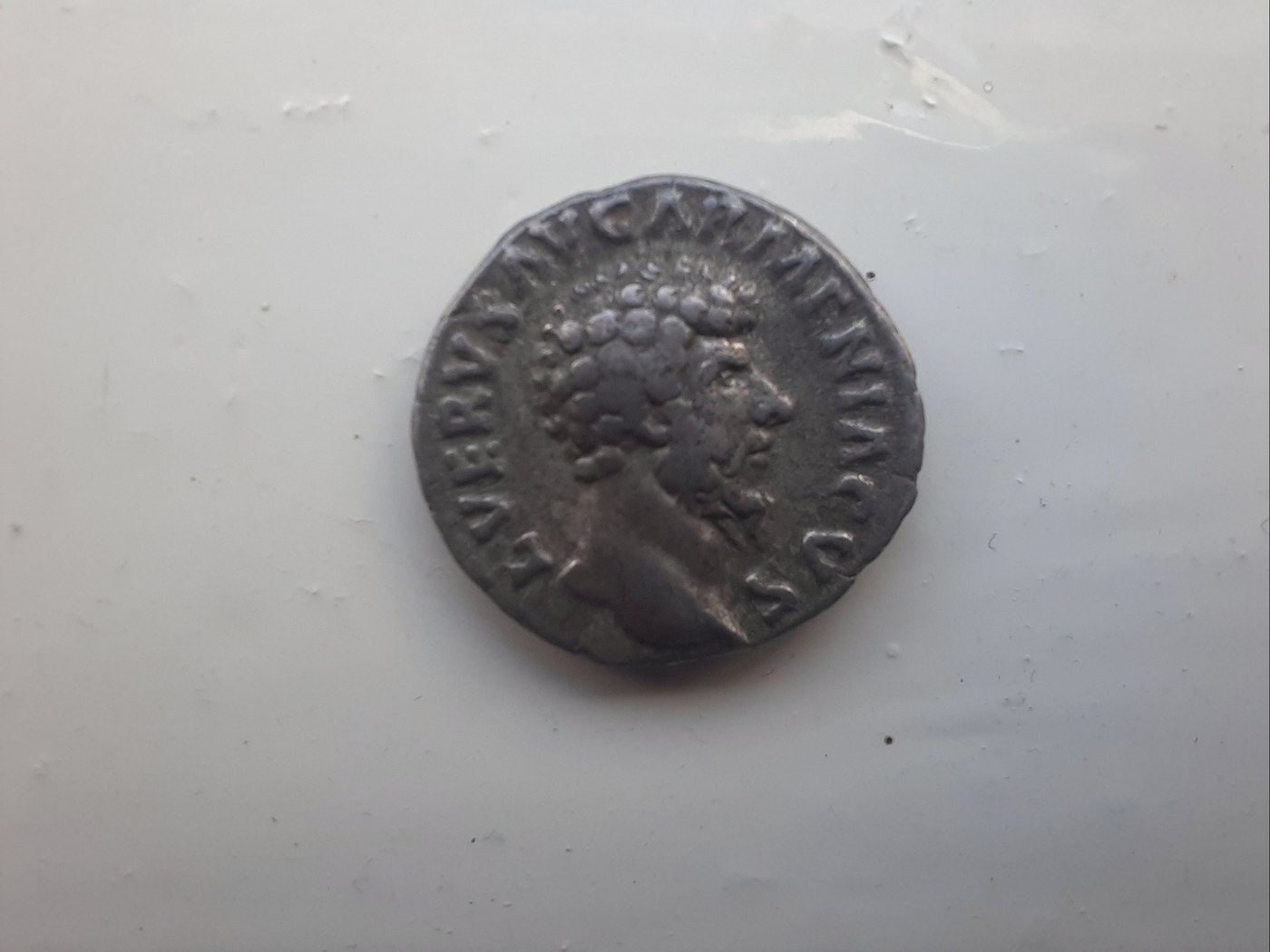
Begin with the portrait style, then trust the legend. A denarius of Lucius Verus shows a right-facing bust with thick curly hair and a full beard, a grooming fashion shared by all the Antonine emperors, so the face alone will not confirm the ruler. Read the Latin legend running around the head: for this type it should contain VERVS, in forms such as L VERVS AVG, IMP L AVREL VERVS AVG, or with added titles like ARMENIACVS. The presence of the name VERVS, rather than the portrait, is what reliably attributes the coin.
Use the reverse to date and place the coin. Verus reverses typically show a single standing or seated deity or personification, or a Victory or Mars type connected to his Parthian war, each with a short inscription. Watch for the abbreviations TR P (tribunician power, sometimes numbered), COS (consulship), and honorary titles such as ARM (Armeniacus) or PARTH MAX (Parthicus Maximus); these letters let you narrow the date within his 161–169 AD reign, since the titles were added as the campaigns progressed.
Check size, weight, and metal. A denarius of this era is a small silver coin about 17–19 mm across and light in the hand, struck in reasonably good silver with a gray or gently toned surface. A coin that is large and heavy, or bright base metal with a spiked radiate crown, is not a Verus denarius but a different denomination such as a sestertius or a later radiate. Natural wear, minor flan cracks, and slight off-centering are expected and are reassuring signs of an ancient strike.
Mind the look-alikes and authentication. The closest confusion is with Marcus Aurelius, whose denarii share the same period, size, and bearded curly-haired style; always resolve it by reading the name in the legend. Modern cast forgeries and "tourist" copies exist, so favor coins with crisp, hand-struck detail, natural edge and surface wear, and stable toning over pieces that look soft, seam-lined, or artificially bright, and buy higher-value examples from reputable dealers who guarantee authenticity.
Frequently asked questions
What is the single most reliable identifier?
The obverse legend. Look for the name VERVS around the bearded portrait; the reverse type and portrait style support the attribution but the legend confirms the emperor.
How can I narrow down the date within his reign?
Read the reverse abbreviations. TR P with a number, COS counts, and titles like ARM or PARTH MAX track the years and campaigns, letting you place the coin within 161–169 AD.
How do I avoid confusing it with Marcus Aurelius?
Their bearded, curly-haired portraits look almost identical, so do not judge by the face. Confirm the name in the legend: VERVS for Lucius Verus, not AVRELIVS ANTONINVS.
How do I spot a fake?
Favor coins with sharp hand-struck detail, natural wear, and stable toning. Be wary of soft, seam-lined, or unnaturally bright pieces, and buy valuable examples from trusted dealers.