How to Identify the Delhi Sultanate Silver Tanka
A medieval Indian Islamic silver coin, identified by Arabic calligraphic inscriptions naming the sultan, the Islamic kalima, and the mint and Hijri date.
Read the full Delhi Sultanate Silver Tanka encyclopedia entry →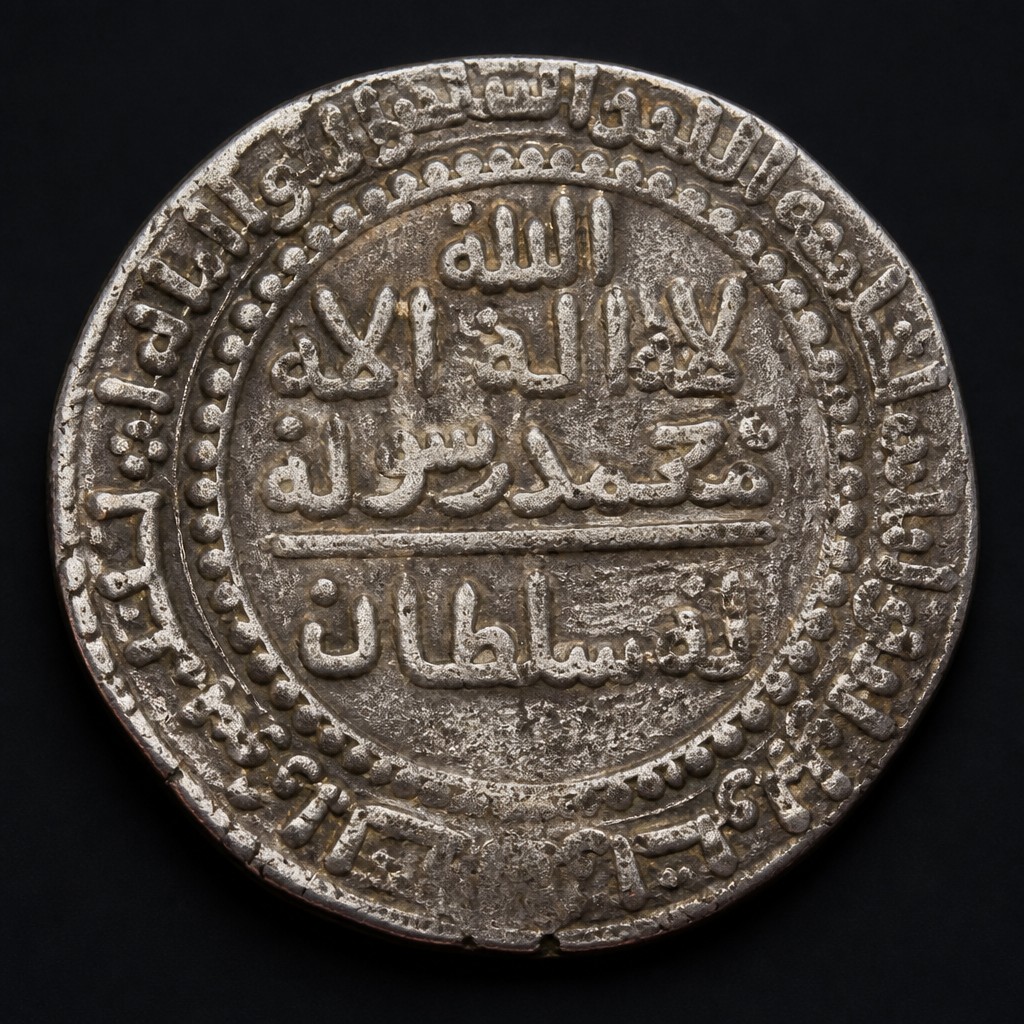
What the Coin Is
The silver tanka was the standard high-value coin of the Delhi Sultanate, a series of Turkic, Afghan, and other Muslim dynasties that ruled large parts of northern India from the early 13th through early 16th centuries. It established a coinage tradition that later influenced Mughal denominations, including the eventual rupee.
Obverse Design & Inscription
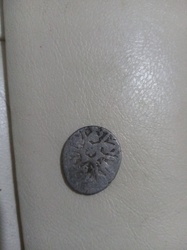
Following Islamic aniconic convention, the tanka's obverse is filled with Arabic calligraphy rather than pictorial imagery, typically presenting the kalima, the Islamic declaration of faith, and often the names of the early caliphs, arranged within a circular or square inscriptional field.
Reverse Design & Inscription
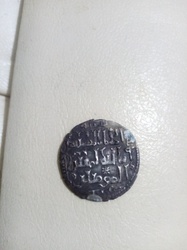
The reverse generally names the reigning sultan along with his regnal titles, such as "Sultan" or other honorifics, the mint city, and the Hijri year of striking. Layout and calligraphic style shift across the roughly three centuries of Sultanate rule, reflecting different dynasties including the Mamluk (Slave) dynasty, Khalji, Tughlaq, Sayyid, and Lodi.
Size, Weight, Metal, Edge
The standard silver tanka weighs approximately 10.8 to 11.4 grams, with a diameter generally in the range of 24-28 mm, though exact size varies by period and issuing dynasty. The edge is plain and unmilled, and the flan is often somewhat irregular, typical of medieval hand-struck coinage.
Mint Marks & Where to Find Them
As with later Mughal coinage, the mint city appears spelled out in the inscription itself rather than as a separate symbol; major Sultanate mints included Delhi and other regional centers depending on the ruling dynasty's territory. The Hijri date, also part of the inscription, helps place a given coin within a specific sultan's reign.
Telling It Apart from Similar Coins
Distinguishing between issues of different Sultanate dynasties comes down to reading the sultan's name and titles in the inscription, since the general format of a kalima obverse paired with a ruler/mint/date reverse remains fairly consistent across dynasties. Compared to later Mughal coinage, Sultanate-period tankas tend to show somewhat less refined, more compact calligraphy and simpler inscriptional framing, reflecting differences in period style and minting technology. Contemporary billon and copper denominations struck alongside the silver tanka can look superficially similar in layout, so checking the metal color and weight is an easy first step before relying on the inscription alone.
Judging Condition & Authenticity
Look for legible, well-centered calligraphy on both sides, since heavily worn or off-struck examples can make the ruler's name difficult to confirm. Be cautious of coins with garbled or nonsensical Arabic script, a combination of ruler name and title that doesn't match any documented sultan, or a weight and diameter well outside the normal range, all of which suggest either a later imitation, a contemporary counterfeit, or a modern reproduction rather than a genuine period issue.
Frequently asked questions
What does the obverse inscription usually say?
It typically presents the Islamic kalima (declaration of faith), sometimes along with the names of the early caliphs, following standard Islamic coinage conventions of the period.
How do I know which sultan issued a given tanka?
Read the reverse inscription, which names the reigning sultan and his regnal titles directly.
What should a genuine silver tanka weigh?
Most examples weigh approximately 10.8 to 11.4 grams in silver, though this can vary somewhat by dynasty and period.
Are Delhi Sultanate coins related to later Mughal coins?
Yes, the tanka helped establish coinage conventions and denominational thinking in India that influenced later Mughal currency, including the eventual rupee standard.
What's a warning sign of a fake or later imitation?
Garbled or nonsensical Arabic script, a ruler name and title combination that doesn't match any known sultan, or size and weight noticeably outside documented ranges.
Delhi Sultanate Silver Tanka identified by the community
Recent Delhi Sultanate Silver Tanka coins identified with Coin Identifier.