
How to Identify the Cyzicus Electrum Stater
A guide to the electrum staters of Cyzicus, identified by their pale gold-silver alloy, constantly changing scenes, and the small tunny fish mint symbol.
Read the full Cyzicus Electrum Stater encyclopedia entry →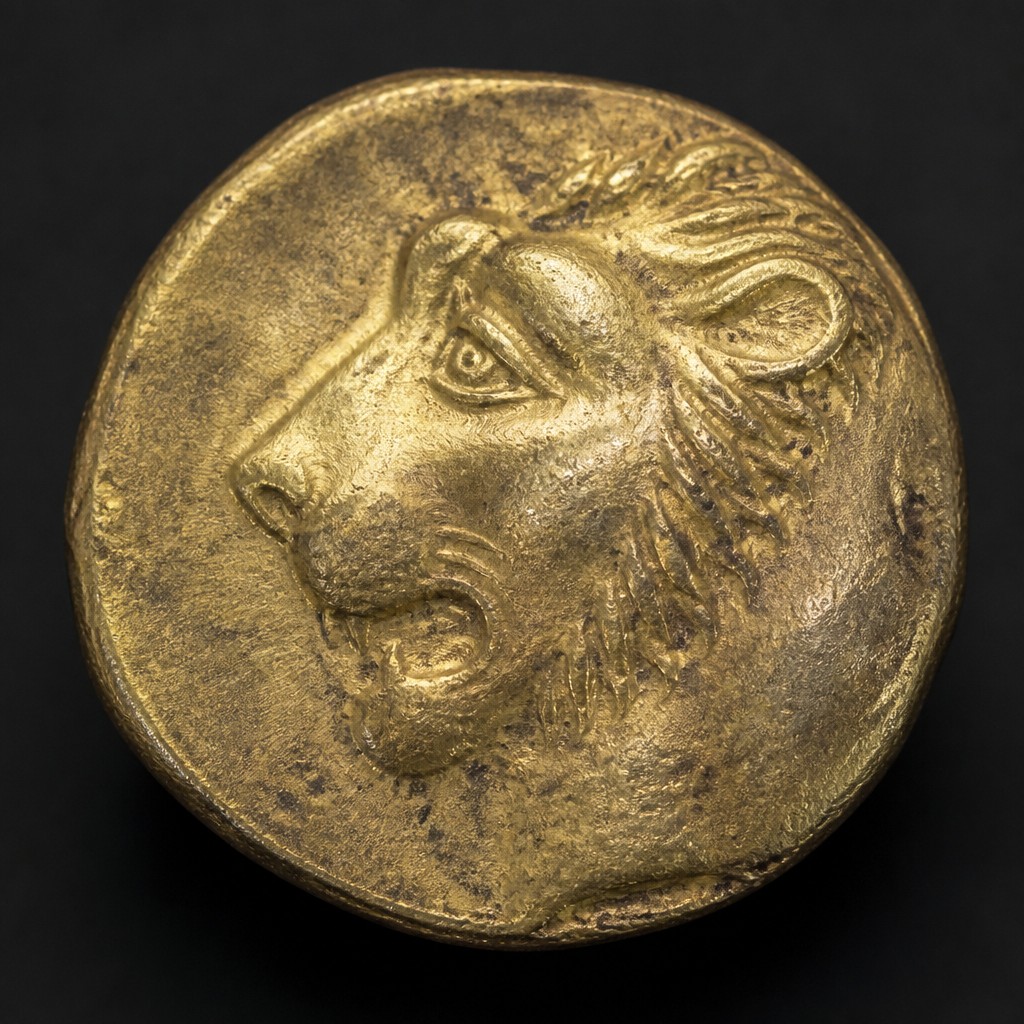
What It Is
Cyzicus (Kyzikos), a wealthy Greek city on the southern shore of the Sea of Marmara, produced one of the most important trade currencies of the ancient Mediterranean and Black Sea world for roughly three centuries, from about 600 to 330 BC. Struck in electrum, a naturally occurring pale gold-and-silver alloy, these "cyzicenes" were widely accepted far beyond the city itself because of their reliable weight and fineness.
Obverse
Cyzicus staters are famous for an enormous variety of obverse designs, over two hundred different types are known, ranging from mythological figures and animals to everyday scenes, changing frequently rather than settling on one fixed image. Despite this variety, every genuine issue includes a small tunny fish (tuna) worked into the design, serving as the city's constant identifying mark regardless of the main scene shown.
Reverse
The reverse shows a simple quadripartite incuse square, a plain sunken punch mark divided into compartments, without any pictorial design. This bare, functional reverse is typical of early-to-middle period electrum coinage across the region.
Size, Weight, and Metal
The metal is electrum, a naturally pale, gold-silver alloy whose color ranges from pale yellow to nearly silvery depending on the specific gold content. A full stater weighs approximately 16 grams on the local Phocaic/Milesian weight standard, and the series also includes smaller fractions such as hektai (sixth-staters).
Identifying the Mint
Because the main design changes constantly, the tunny fish is the single most reliable way to identify a coin as a genuine Cyzicus issue; it is typically tucked into a corner of the design, beneath the main figure, or worked subtly into the scene. No name inscription is used on the classic series.
Telling It Apart From Similar Coins
The closest comparison is the electrum coinage of nearby Lampsakos, which used a Pegasos forepart rather than a tunny fish as its identifying mark, and Mytilene/Phokaia electrum, which alternated mint signatures between the two cities. Confirming the tunny fish specifically, rather than relying on the main scene alone, is the fastest way to separate a Cyzicus issue from these related regional electrum coinages.
Grading at a Glance
Because the designs are often intricate and struck on a small flan, look for a clear, identifiable main scene and a distinctly visible tunny fish, since a weak or off-center strike can obscure the very detail used to confirm the mint. The quadripartite incuse reverse should show clean, well-defined compartments.
Authenticity Red Flags
Given the high value and complexity of this series, be cautious of a missing or unclear tunny fish, a main design that looks anachronistic or copied from an unrelated coin type, incorrect alloy color or specific gravity for electrum, and a reverse incuse that looks too shallow, symmetrical, or mechanically perfect compared to genuine hand-struck examples.
Frequently asked questions
What makes a Cyzicus stater different from other ancient coins?
It was struck in electrum, a natural gold-silver alloy, and used an enormous variety of changing main designs while always including a small tunny fish as a consistent mint identifier.
How do I know which mint struck an electrum stater with a tunny fish?
The tunny fish specifically identifies Cyzicus; related mints in the region used different symbols, such as a Pegasos forepart for Lampsakos.
How much does a Cyzicus stater weigh?
A full stater weighs approximately 16 grams, on the Phocaic/Milesian weight standard used in the region.
Why are there so many different designs on Cyzicus staters?
The city issued coinage continuously over roughly three centuries with frequently changing scenes, resulting in over two hundred known obverse designs, unified only by the constant tunny fish mark.