
How to Identify the Claudius Denarius
A silver denarius of Emperor Claudius, identified by his laureate portrait and a range of reverse types reflecting his military and civic achievements.
Read the full Claudius Denarius encyclopedia entry →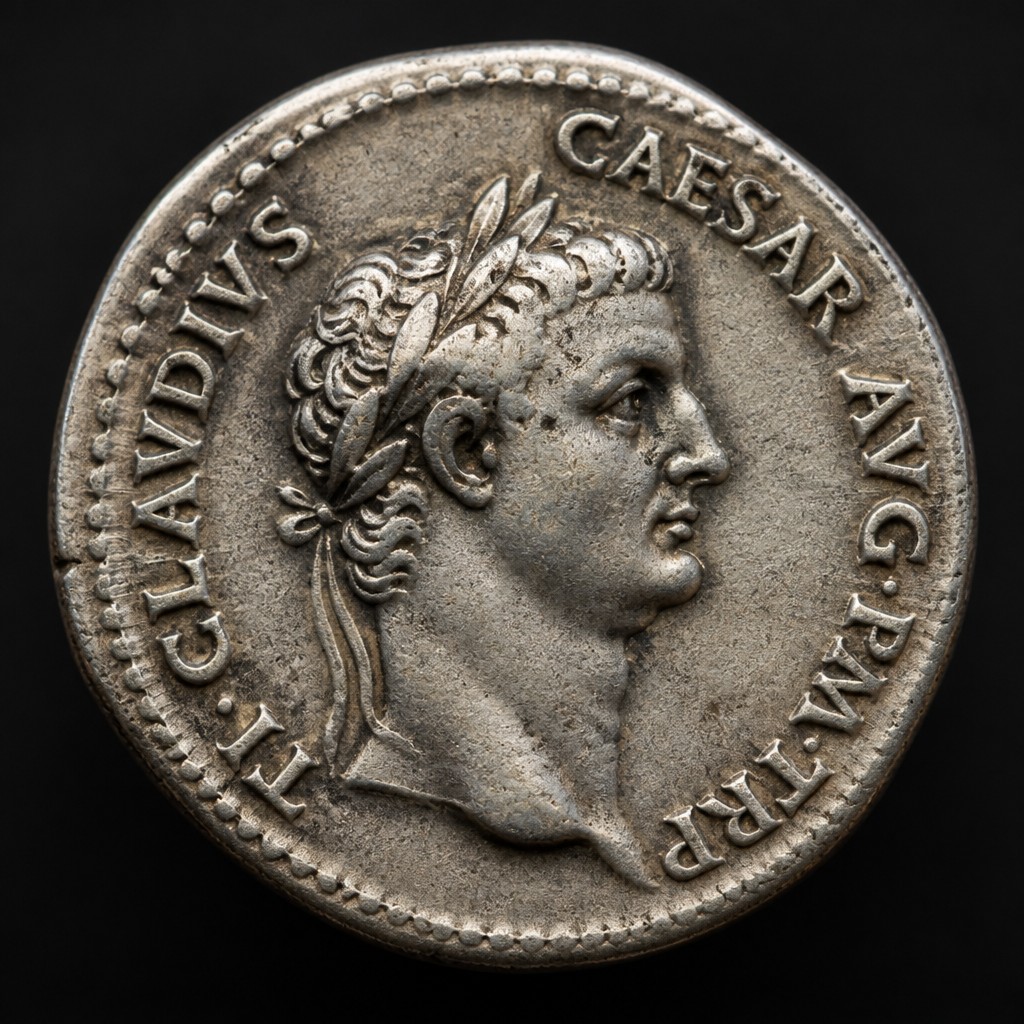
What This Coin Is
This silver denarius was struck under Claudius, the fourth Roman emperor, who reigned from 41 to 54 AD after being unexpectedly proclaimed emperor by the Praetorian Guard following Caligula's assassination. His coinage reflects a reign focused on consolidating stability, expanding the empire (notably the conquest of Britain), and emphasizing continuity with the Julio-Claudian dynasty.
Obverse Design & Inscriptions
The obverse shows a laureate head of Claudius facing right. The legend reads TI CLAVD CAESAR AVG P M TR P, listing his name and key titles including Pontifex Maximus and tribunician power, sometimes followed by a specific year number indicating a renewal of that power.
Reverse Design & Inscriptions
Common reverse types include a legend within an oak wreath reading EX SC OB CIVES SERVATOS ("by decree of the Senate, for saving the citizens," referencing a civic crown award), a standing or seated figure of Pax-Nemesis holding a caduceus, or a triumphal arch commemorating his British campaign with the legend DE BRITANN. The specific reverse varies by issue and reign year.
Size, Weight, Metal, and Edge
This is a silver coin, typically around 18-19mm in diameter and weighing close to 3.7-3.8 grams, in keeping with the standard early Imperial denarius weight. The edge is plain.
Mint Marks and Where to Find Them
Most denarii of Claudius were struck at the imperial mint associated with Rome, without a separate geographic exergue mint mark; attribution to specific years or issues relies on the tribunician power number (TR P followed by a numeral) present in the obverse legend, which specialists use to date the coin within his reign.
Telling It Apart From Similar Coins
Claudius's portrait has a distinctive, somewhat heavier and more mature profile compared to the youthful idealized busts of Caligula or Nero, which helps with quick visual attribution alongside the legend. Because his wife Agrippina the Younger and other family members also appear on some joint or related issues, always check whether the obverse legend names Claudius alone or pairs him with another figure, which affects both attribution and rarity.
Judging Condition at a Glance
Look for clear definition in the laurel wreath and facial features on the obverse and legible lettering on the reverse legend, whether it is the oak-wreath civic crown design or a figural scene. As with other 1st-century denarii, moderate wear is common on surviving examples due to long circulation, so sharper strikes with fuller legends are more desirable to collectors.
Authenticity Red Flags
Watch for the same general concerns as with other ancient silver denarii: unusual weight or thickness suggesting a cast copy, a grainy or pitted surface lacking crisp die-struck lines, a raised seam around the edge, and blurred or doubled lettering inconsistent with genuine ancient engraving. Because some Claudius types are more common and affordable than his rarer joint-portrait issues, be especially cautious of pieces claiming to show unusual pairings or rare reverse types without clear supporting details.
Frequently asked questions
What does EX SC OB CIVES SERVATOS mean?
It translates to "by decree of the Senate, for saving the citizens," referencing a civic crown of oak leaves traditionally awarded for saving Roman lives, used here as a reverse design honoring Claudius.
How can I date my Claudius denarius more precisely?
Check the obverse legend for a tribunician power number (TR P followed by a numeral), which specialists use to narrow down the specific year of issue within his reign.
Why does Claudius look different from Caligula or Nero on coins?
His coin portraits show a more mature, heavier profile rather than the youthful idealized style used for some other Julio-Claudian emperors, which helps with quick visual identification.
What does the triumphal arch reverse commemorate?
Certain reverse types reference his British campaign with the legend DE BRITANN, marking the conquest of Britain that began during his reign.