
How to Identify the Chinese Silver Panda
A guide to China's Silver Panda bullion coin, covering its Temple of Heaven obverse, annually changing panda reverse, one-ounce silver standard, and the precise checks needed to catch the series' notoriously common counterfeits.
Read the full Chinese Silver Panda encyclopedia entry →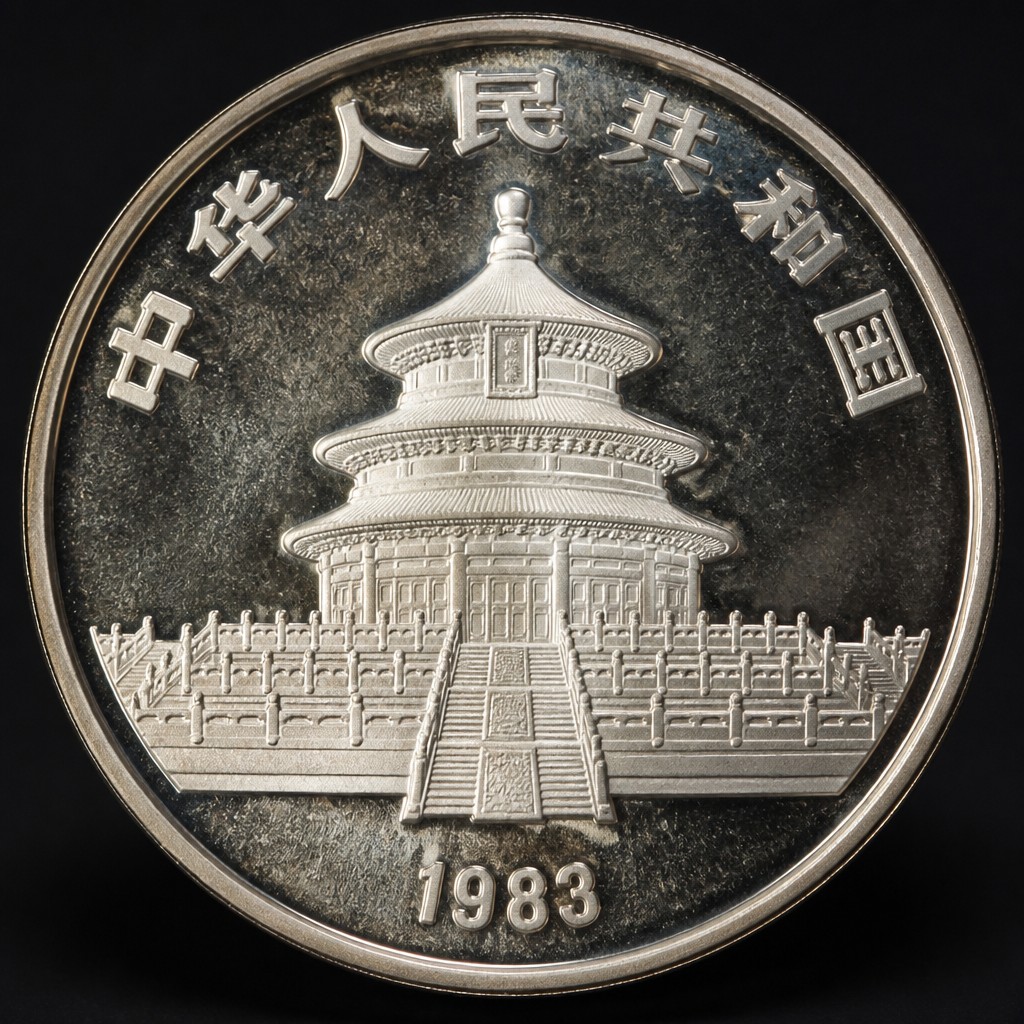
What This Coin Is
The Silver Panda is the silver companion to China's Gold Panda series, first issued in 1983 by the People's Bank of China. Like its gold counterpart, it changes its panda design nearly every year, making it a popular coin for both collectors and bullion buyers.
Obverse Design
The obverse shows the Temple of Heaven's Hall of Prayer for Good Harvests in Beijing, along with "People's Republic of China" and the year, rendered in Chinese characters.
Reverse Design
The reverse depicts a panda (or occasionally multiple pandas) in a design that typically changes each year, showing the animal in varied poses. A handful of years reused a prior design, but most are unique to that year's release.
Size, Weight, Metal, and Edge
The standard modern Silver Panda is struck in .999 fine silver at 1 troy ounce, with a diameter of about 40mm. Other sizes have been issued in various years, and the edge is reeded on standard issues.
Mint Marks and Where to Find Them
As with the gold version, some earlier years carry a small privy mark denoting the producing mint, tucked discreetly into the coin's design.
Telling It Apart From Similar Coins
Because the reverse design changes annually, confirming that a coin's panda artwork, denomination, and Chinese-character date all match the officially documented design for that year is the key identification step. The Silver Panda is widely regarded as one of the most counterfeited bullion coins in the world, so this matching process is especially important compared to more static bullion designs.
Judging Condition
Look for crisp, well-defined fur texture on the panda and sharp lettering on the Temple of Heaven obverse. Genuine bullion-strike examples typically show a bright, semi-reflective surface; a dull, grainy, or unusually soft-looking surface is a warning sign rather than simply a grading issue.
Authenticity Red Flags
Given how often this series is counterfeited, carefully check the coin's diameter and weight against the official 1 ounce, 40mm standard, examine the edge reeding for consistency, and compare the fine details of the panda and Temple of Heaven artwork to verified references for that specific year. A magnet test can also help, since silver is not magnetic and many fakes use magnetic base-metal cores.
Frequently asked questions
How big is a standard Silver Panda coin?
The standard modern issue is 1 troy ounce of .999 fine silver, about 40mm in diameter, though other sizes have been produced in some years.
Why is the Silver Panda so often counterfeited?
Its popularity, changing yearly design, and silver bullion value make it a frequent counterfeiting target, so buyers should carefully verify weight, diameter, and design details.
Does the Silver Panda design change every year like the gold version?
Yes, in most years the panda artwork on the reverse changes, though a small number of years have reused an earlier design.
How can I check if my Silver Panda is genuine?
Verify the exact weight and diameter against official specifications, examine the edge reeding, compare fine design details to a reliable reference for that year, and confirm the coin is not magnetic.