
How to Identify the Chilean 100 Pesos Gold 'Condor'
The Chilean 100 pesos gold coin, struck from the mid-1920s onward, is nicknamed the 'Condor' for the large bird depicted perched on the national shield on its reverse, making it one of Chile's most recognizable gold issues.
Read the full Chilean 100 Pesos Gold 'Condor' encyclopedia entry →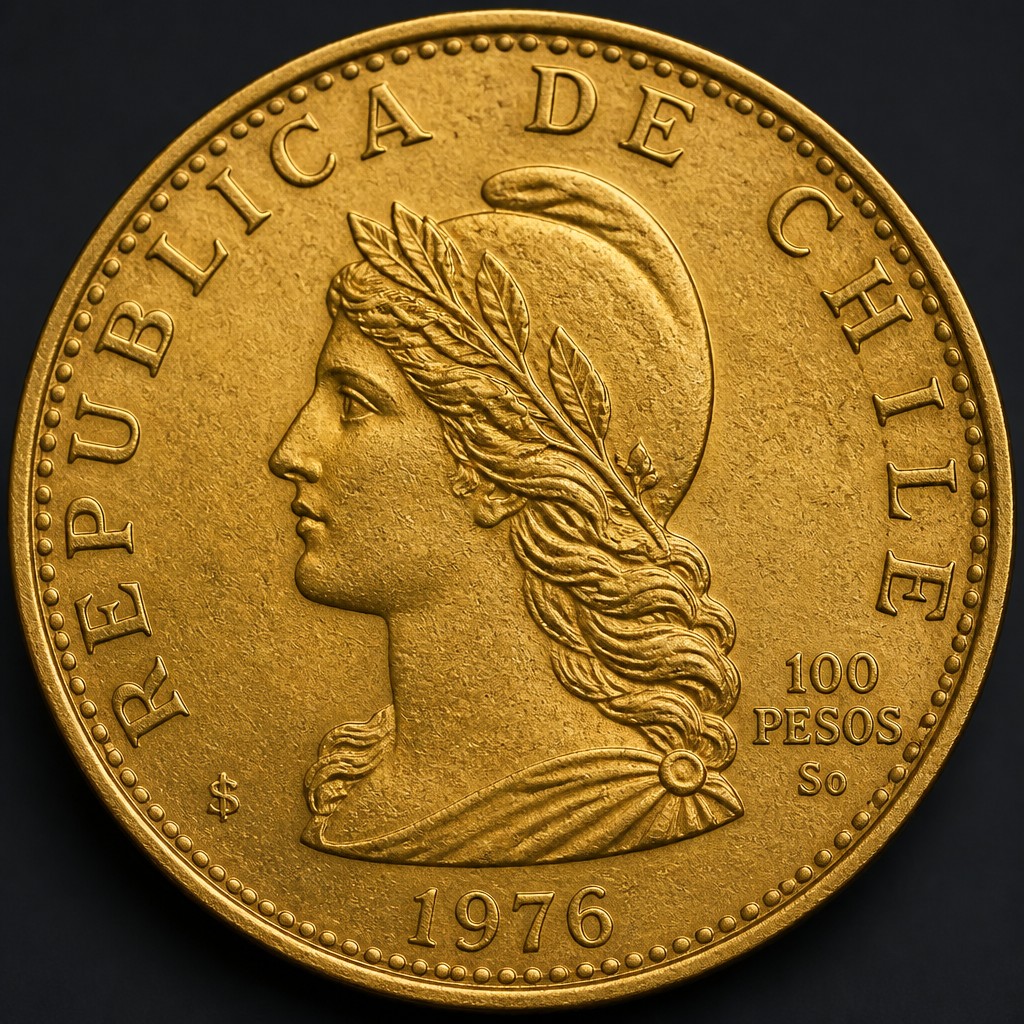
What the Coin Is
Chile introduced the 100 pesos gold coin in the mid-1920s as part of a broader gold coinage program, and it quickly earned the nickname "Condor" due to its striking depiction of the national bird. It was struck for a number of years and remains a popular gold coin among collectors of Latin American coinage.
Obverse Design & Inscriptions
The obverse typically features the Chilean coat of arms — a shield flanked by a huemul and a condor — along with the legend "REPUBLICA DE CHILE" and the date, presented in a clean, early-20th-century design style.
Reverse Design & Inscriptions
The reverse prominently displays a large condor with wings spread, standing on a rocky outcrop, with the denomination "100 PESOS" inscribed below or around the bird, along with the national motto in some varieties.
Size, Weight, Metal, Edge
Struck in gold at .900 fine, the 100 pesos "Condor" weighs approximately 20.3 grams with a diameter around 33 mm, making it a substantial gold coin comparable in scale to other national 20th-century gold issues. The edge is reeded.
Mint Marks & Where to Find Them
The Santiago mint produced these coins; check near the date or along the lower rim of the design for the mint's identifying marks, which remain fairly consistent across the issue's production years.
Telling It Apart from Similar Coins
Confirm the denomination "100 PESOS" and the specific large-condor reverse design, since Chile also issued smaller gold denominations (such as 50, 20, and 10 pesos) sharing a similar overall design theme but differing in size, weight, and the scale of the condor imagery.
Judging Condition at a Glance
Examine the condor's feather detail and the texture of the rocky perch for the first signs of wear, along with the fine lines of the shield on the obverse. A well-preserved coin retains sharp, individual feather striations; a circulated example shows a smoother, less defined bird silhouette.
Authenticity Red Flags
Because gold coins are common counterfeit targets, verify the exact weight and diameter against known standards, and check the gold's color for a proper warm yellow tone. Be wary of coins with softly rounded design elements, inconsistent edge reeding, or a noticeably lighter weight than expected, all of which can indicate a plated or cast counterfeit.
Frequently asked questions
When was this coin first issued?
Chile introduced the 100 pesos gold 'Condor' coin in the mid-1920s as part of a new gold coinage series.
Why is it called the 'Condor'?
The reverse prominently features a large Andean condor with wings spread, standing on a rocky perch, which gave the coin its popular nickname.
How much gold does it contain?
It's struck in .900 fine gold, weighing about 20.3 grams with a diameter near 33 mm.
How do I tell it apart from the smaller Chilean gold denominations?
Check the denomination text ('100 PESOS') and compare the size, since Chile's 50, 20, and 10 pesos gold coins share a similar design at progressively smaller scales.
What should I check for signs of wear?
Look at the condor's feather detail and the texture of its rocky perch, which are the first areas to smooth out with circulation.