
How to Identify the Charles II Half Crown
A collector's guide to attributing Charles II's milled silver half crown by its right-facing bust, cruciform shields, edge lettering, and marks.
Read the full Charles II Half Crown encyclopedia entry →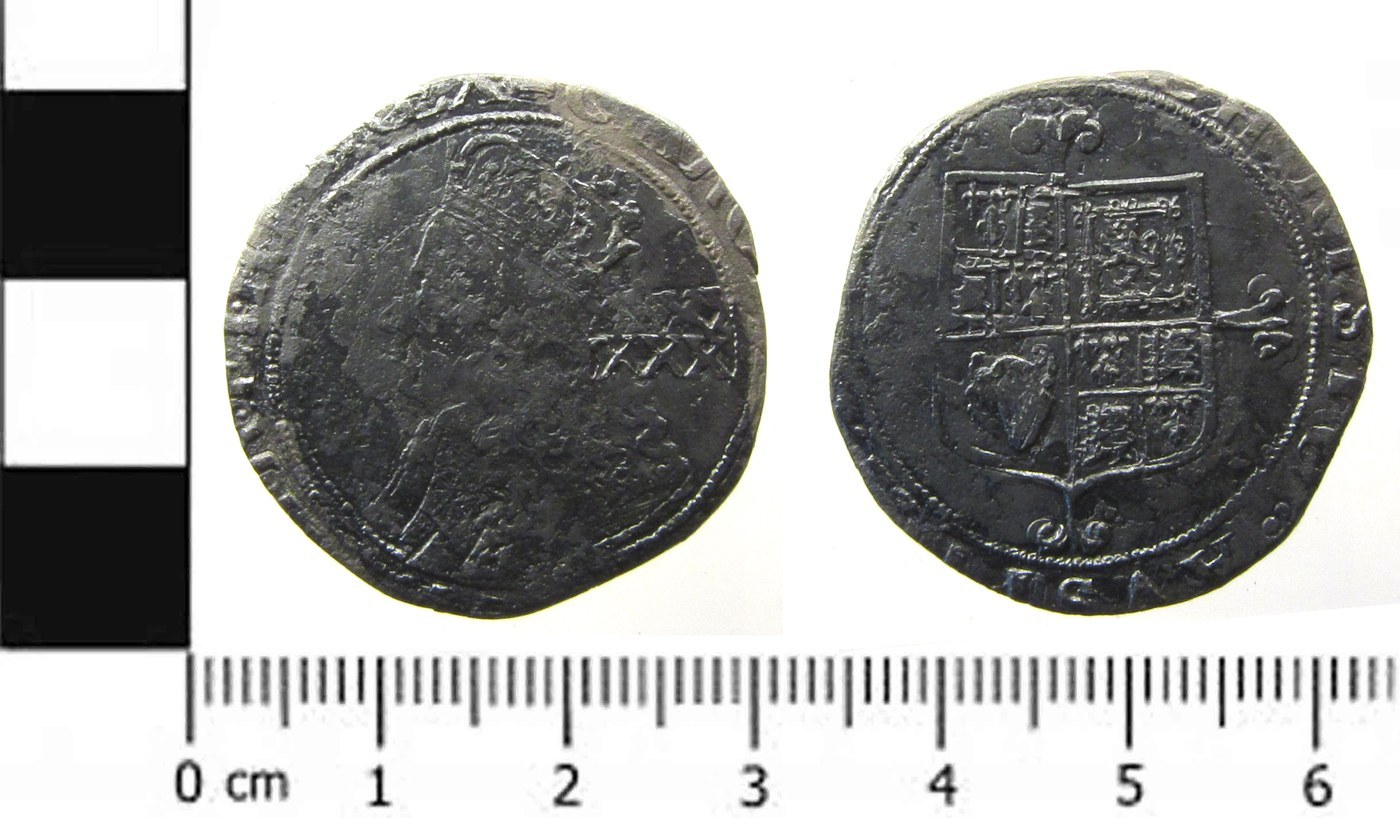
Begin with the portrait. The obverse shows Charles II as a laureate bust facing right, usually draped, within an encircling Latin legend giving his name and titles. Read the legend for the king's name and confirm the direction the bust faces: a right-facing laureate head is expected for Charles II, and comparing it against the facing direction and style of neighbouring reigns is a quick first check before any closer attribution.
Check the reverse layout. Look for the crowned royal arms of England, Scotland, Ireland, and France arranged as four crowned shields in a cruciform pattern, with interlinked C ciphers in the angles between them. This four-shield cross layout, rather than a single central shield, is the core diagnostic of the milled Charles II half crown and separates it from the single-shield reverses of earlier hammered coins.
Confirm size, metal, and fabric. This is a large silver coin struck by machine, so expect a rounder, more regular flan and more even relief than a hammered coin, together with an inscribed or grained edge rather than a plain one. Weigh and measure the piece against published specifications for the half crown, and treat a badly underweight coin with suspicion, since milled edges were introduced precisely to make clipping detectable.
Read the edge and look for marks. The inscribed edge legend, the bust variety (collectors distinguish successive busts across the reign), and any small elephant or elephant-and-castle mark below the portrait are all attribution details that pin down the exact issue and can transform a common coin into a scarce one. Cross-reference the date, edge wording, and bust against a standard reference for Charles II silver.
Rule out look-alikes and fakes. Half crowns of the Commonwealth, of James II, and of William and Mary can resemble this coin at a glance, so read the legend and compare portrait and reverse before deciding. Cast copies, tooled surfaces, and modern replicas exist for popular Stuart silver; watch for casting seams, bubbles, unnaturally smooth fields, a wrong or missing edge inscription, or lettering that lacks crisp definition, and have valuable or scarce examples examined by a specialist or reputable grading service.
Frequently asked questions
How do I tell a Charles II half crown from a James II one?
Both are milled silver half crowns with cruciform shields, so read the obverse legend for the king's name and compare the portrait. Charles II faces right; the two reigns use different busts, edge legends, and dates.
Why does this coin have writing on its edge?
The inscribed edge was introduced with milled production to deter clipping and filing of the silver. Its presence, and the correct wording for the issue, is a useful check that a coin is a genuine milled striking.
What are the different busts collectors mention?
Across the reign the Mint used several portrait styles, often called the first through fourth busts. Identifying the bust, alongside the date and edge, is important for attributing the coin and judging its scarcity.
How can I tell it isn't a cast copy?
Genuine coins are machine-struck with sharp detail and a properly formed inscribed or grained edge. Watch for casting seams, bubbles, soft lettering, incorrect weight, or a wrong edge, and seek professional authentication for valuable pieces.