
How to Identify the Charles I Half Crown
A collector's guide to attributing Charles I's large hammered silver half crown by its portrait, quartered shield, mint marks, and fabric.
Read the full Charles I Half Crown encyclopedia entry →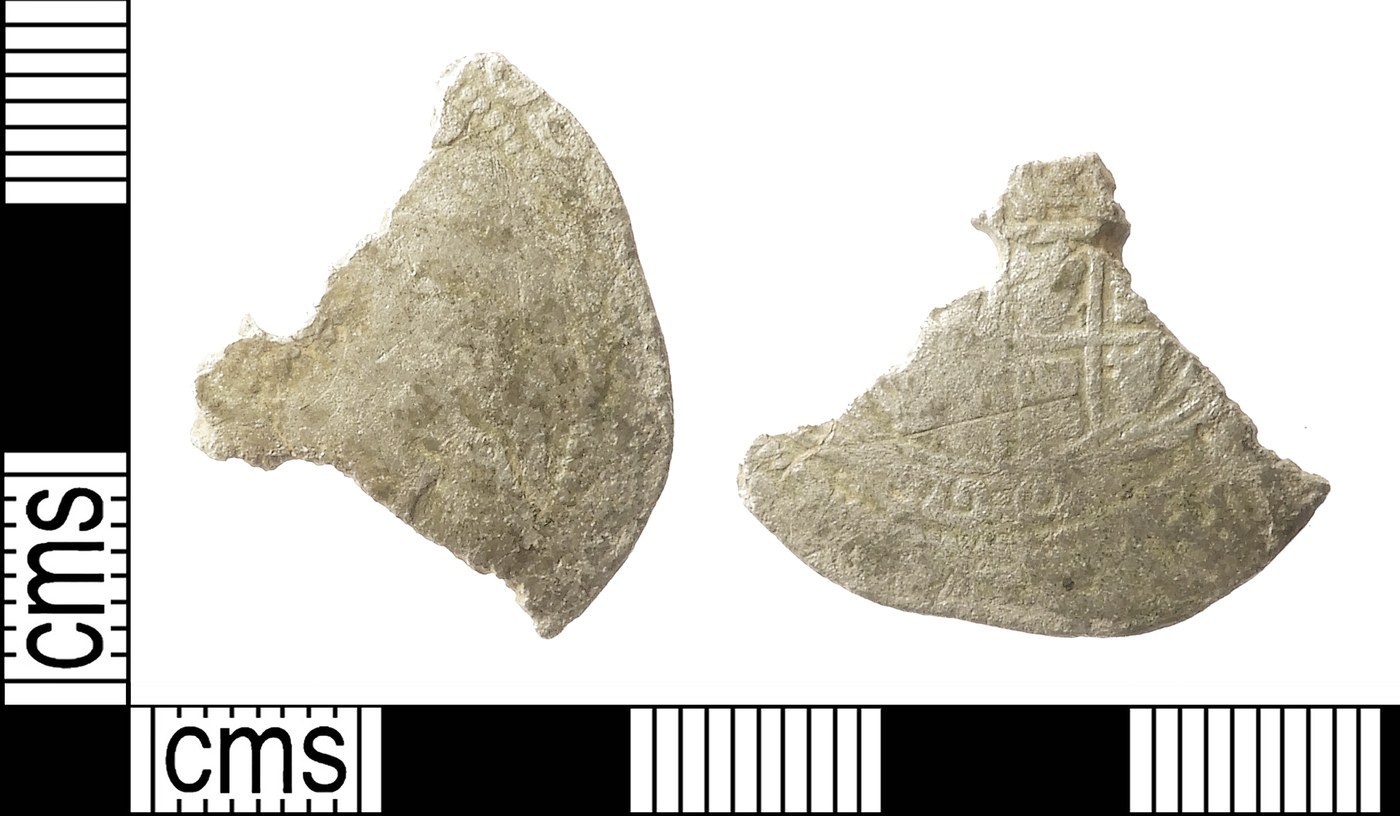
Begin with the two main devices. The obverse shows Charles I facing left within an encircling Latin legend, and the reverse shows a crowned shield quartering the arms of England, Scotland, and Ireland. Confirm both sides before attributing the type — the quartered Stuart shield is what separates this from earlier Tudor coins that carry only English arms. Note that some Tower half crowns depict the king on horseback rather than as a plain bust, so portrait style alone does not rule the coin in or out.
Check size, metal, and fabric. This is a large silver coin, hand-hammered rather than machine-struck, so expect a slightly irregular flan, hand-cut lettering, and the soft, sometimes doubled relief typical of hammered work. Weigh and measure the piece against published specifications for the half crown; a badly underweight coin may be clipped, which was common with hammered silver and which reduces both value and confidence in the coin.
Locate the mint mark. A small symbol in the legend (the initial mark) is the single most useful attribution detail: it identifies the issuing period and, together with the style of portrait and shield, distinguishes a common London Tower issue from a scarcer provincial or Civil War emergency issue such as Oxford, Bristol, or York. Cross-reference the mark, legend spelling, and shield shape against a standard reference for Charles I silver.
Rule out look-alikes. Half crowns of James I and of the later Commonwealth and Charles II can resemble this coin at a glance, but they differ in portrait, legend, and design. Read the legend for the king's name and compare the reverse shield and its arrangement, since only the quartered England–Scotland–Ireland shield with Charles's titles fits this type.
Be cautious with authentication. Hammered silver is faked, and cast copies, tooled surfaces, and modern replicas exist. Look for casting seams, air bubbles, unnaturally smooth fields, or lettering that lacks the fine variation of hand-cut dies. For scarcer mints or higher-value examples, have the coin examined by a specialist in English hammered coinage or submitted to a reputable grading service before buying.
Frequently asked questions
How do I tell a Charles I half crown from a James I one?
Both are large hammered silver with a crowned quartered shield, so read the legend for the king's name and compare portrait and mint marks. The two reigns use different portraits, initial marks, and legend wording.
What is the mint mark and why does it matter?
It is a small symbol in the legend indicating the issuing period and, on provincial coins, the mint. It is essential for dating and attributing the coin and for separating common issues from scarce ones.
How can I tell it isn't a cast copy?
Genuine coins are hand-struck, with slightly uneven flans and crisp hand-cut lettering. Watch for casting seams, bubbles, mushy detail, or incorrect weight, and seek professional authentication for valuable types.
Does clipping affect the coin?
Yes. Many hammered silver coins were clipped along the edge to steal metal, leaving them underweight and irregular. Clipping reduces both the value and the confidence in a coin's completeness.