
How to Identify the Ceylon (Sri Lanka) EIC Rixdollar
An early British colonial Ceylon coin denominated in rixdollars, easily recognized by its standing elephant design carried over from the earlier Dutch currency system.
Read the full Ceylon (Sri Lanka) EIC Rixdollar encyclopedia entry →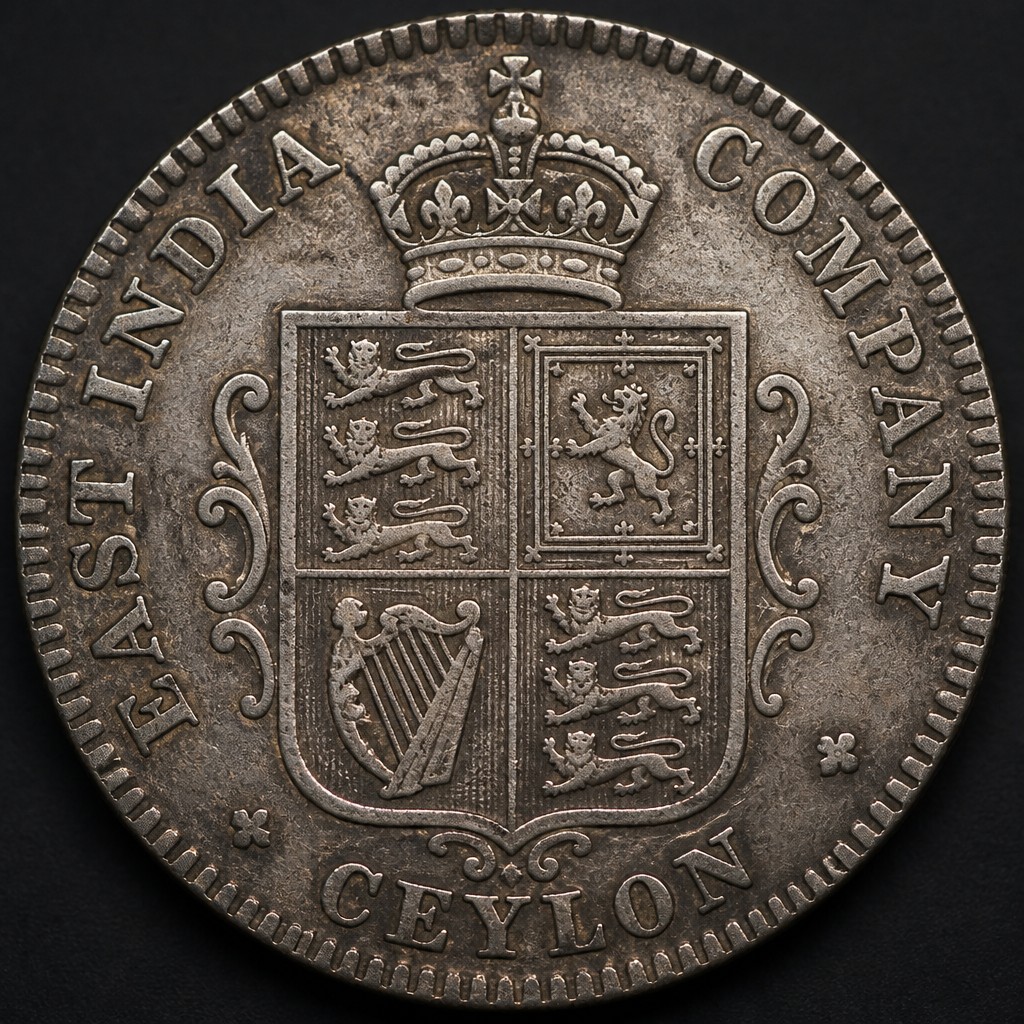
What It Is
After Britain took control of Ceylon from the Dutch, it continued using the rixdollar denomination that had been established under Dutch colonial rule, issuing its own coinage under British administration in the early nineteenth century. These coins bridged the transition between Dutch and British monetary systems on the island.
Obverse Design
The most recognizable feature of this coinage is a standing elephant, shown in profile facing left, positioned above the word "CEYLON" and the date. This elephant motif was a continuation of imagery associated with the island in earlier colonial coinage and makes the series instantly identifiable at a glance.
Reverse Design
The reverse states the denomination in words within a wreath or plain border, such as "one rixdollar" or a corresponding fraction for smaller denominations. There is no portrait or coat of arms on most pieces in this series; the design is intentionally simple and text-focused.
Size, Weight, and Metal
Denominations were issued in copper for the smaller fractional pieces and silver for higher values, with sizes and weights varying by denomination. Larger rixdollar-denominated pieces are noticeably heavier and broader than the fractional copper issues.
Mint Marks
These coins typically carry no separate mint-mark letter, since they were produced for the single colonial administration; the date below the elephant is the primary way to identify the specific year of issue.
Telling It Apart from Similar Coins
The elephant obverse distinguishes this series clearly from other British colonial coinage of the same era, which typically used a monarch's portrait instead. Collectors should be careful not to confuse different denominations within the series, since the wreath text on the reverse (stating whole or fractional rixdollar values) is the main way to tell them apart, as the overall design theme is shared across denominations.
Judging Condition
Well-preserved coins show a clear, well-defined elephant with visible legs, tusk, and ear detail. Wear typically appears first on the elephant's back and head. Since many examples circulated heavily in daily colonial commerce, well-struck, lightly worn pieces are notably more desirable than the more commonly found heavily worn examples.
Authenticity Red Flags
Look for consistent, correct lettering style in "CEYLON" and the denomination text, and a well-proportioned elephant that matches reference examples in stance and detail. Poorly cast reproductions often show a blurred or flattened elephant outline and lettering with irregular spacing compared to genuine struck coins.
Historical Background
This coinage reflects a transitional period when Britain was still working out a standardized monetary system for its new Ceylon territory, borrowing familiar imagery and denominations from the prior Dutch administration to ease the changeover for local merchants and the public. Because the series spans a relatively narrow window of years with several denominations, assembling a full date-and-denomination run is a popular collecting goal for those focused on early British colonial coinage.
Frequently asked questions
Why does this coin show an elephant instead of a monarch?
The elephant motif was carried over from earlier colonial coinage traditions on the island and became the recognizable emblem for Ceylon currency of this era, rather than using a royal portrait.
How do I tell which denomination I have?
Check the wording within the wreath on the reverse, which states the value as a whole rixdollar or a specific fraction of one.
Were these coins made of silver or copper?
Both metals were used depending on denomination: smaller fractional values were typically struck in copper, while higher values were issued in silver.
How can I date my coin?
The year appears directly below the elephant on the obverse.